
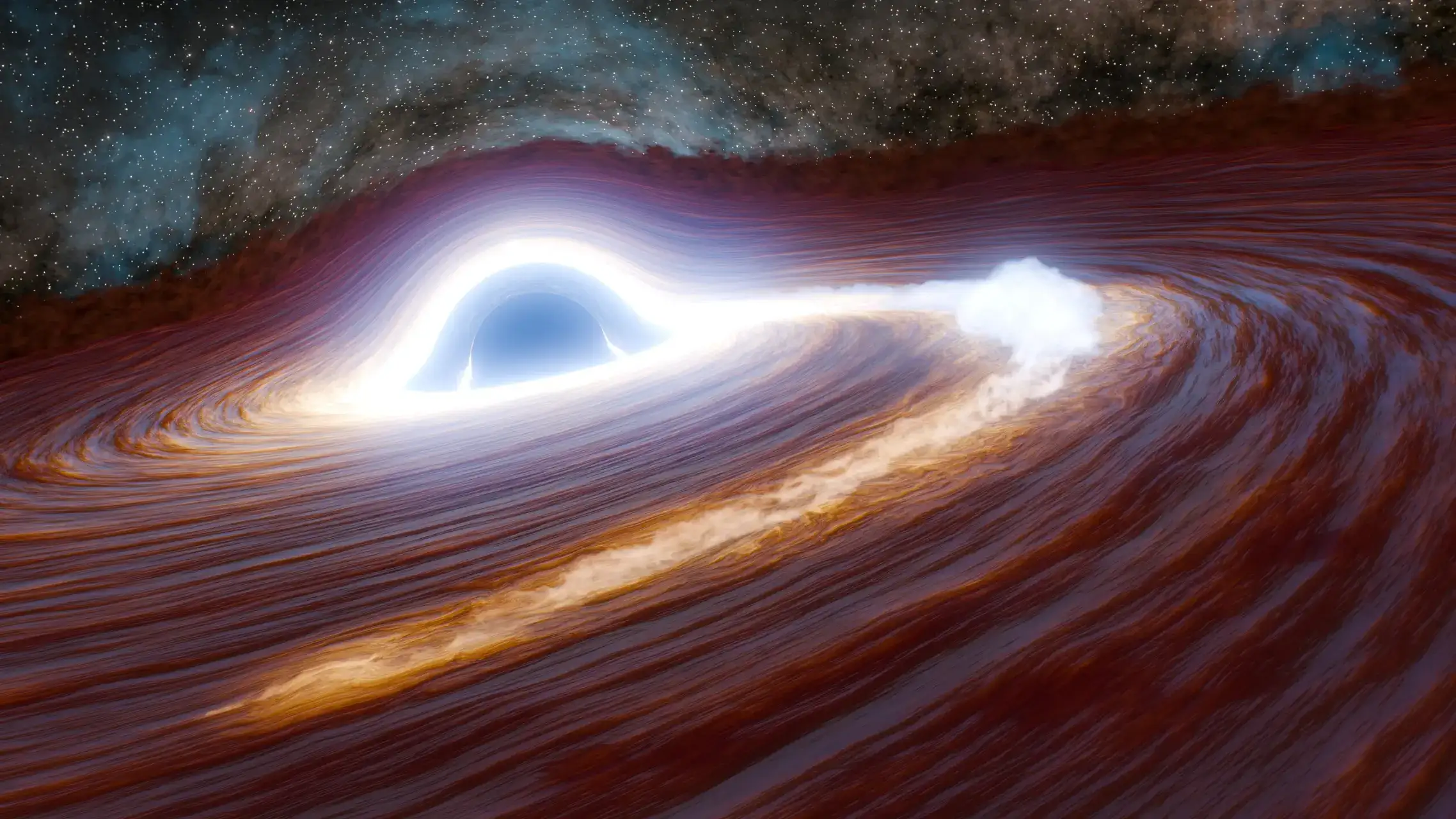
When the world first saw a photograph of a black hole in 2019, it felt like the end of a long search. That blurry, glowing orange ring — the shadow of the supermassive black hole at the heart of galaxy Messier 87 — became one of the most recognized images in scientific history. But that image, it turns out, was not a conclusion. It was the opening frame of a far more complex story, one that NASA's Chandra X-ray Observatory is now helping scientists read with startling clarity.
New X-ray data gathered between 2012 and 2025 reveals that the M87 black hole is not a static object frozen in a famous portrait. It is a dynamic, churning engine — one that launches a massive jet of charged particles stretching thousands of light-years across space, and that jet is visibly changing over time. For anyone who thought we had seen everything a black hole had to offer, the Chandra findings are a firm and thrilling correction.














