
Get all your news in one place.
100’s of premium titles.
One app.
Start reading
Livingetc
Livingetc
Yoko Kloeden

'Nagame' Is My Japanese Architecture Philosophy of Crafting Meaningful Views — Here Is Everything You Need to Know About Framing in Interiors

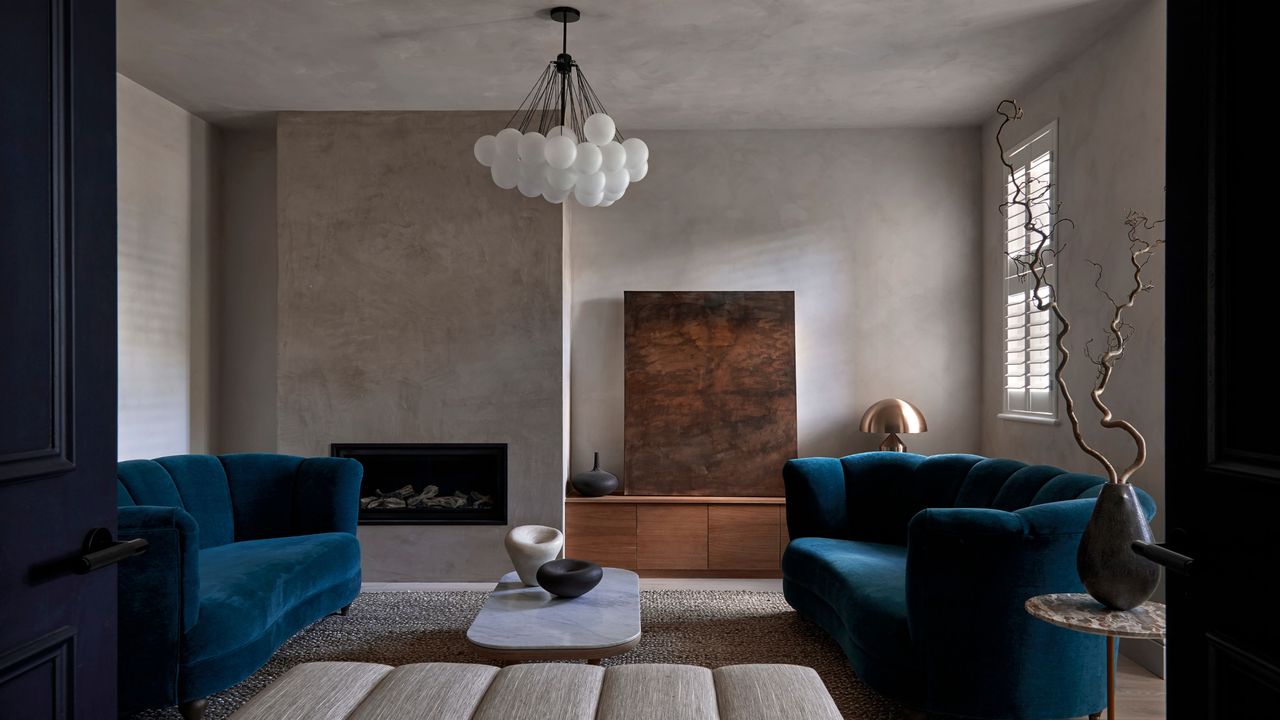
A living room with double doors that have been opened leading to two blue colored sofas and a coffee table in the middle of the sofa .

In Japanese design, what you see every day shapes how you feel every day. At Yoko Kloeden Design, we call this Nagame — the art of crafting meaningful views that anchor a space and bring calm. It’s a principle rooted in the belief that our environments don’t just function around us; they quietly influence our mood, pace, and sense of well-being.

Framing a view isn’t about adding more glazing or maximising visibility. It’s about intention. It’s about editing what you see rather than overwhelming the eye. A single, carefully composed sightline — directed toward a tree, a slice of sky, or a beautifully composed interior moment — can make a home feel more serene, more spacious, and more deeply connected to nature. When a view is deliberate, it becomes part of the architecture itself: a still point that offers clarity and calm within the rhythm of everyday life.

What Are Some Key Principles When It Comes to Framing Views?

Yoko gives a breakdown of the key principles you need to keep in mind. (Image credit: Yoko Kloeden)

Edit, don’t amplify: More glass doesn’t automatically create a better view. In fact, removing visual noise can strengthen a vista far more than enlarging an opening ever could. By curating what enters the visual field, a single, intentional viewpoint becomes more powerful than a wide, unfocused panorama.

Contrast creates focus: Think of the view as a photograph. The frame matters just as much as what’s inside it. When the surrounding architecture is slightly darker, richer, or more textured, it intensifies the brightness and vitality of what lies beyond. This gentle contrast sharpens the experience — the garden feels livelier, the sky brighter, the composition more intentional.

Design along everyday movement: We frame views from where life genuinely happens: the modern kitchen table, the sofa, the hallway you walk through ten times a day. These lived-in sightlines subtly define how a home feels. When everyday moments align with calming views, the entire house gains a quieter, more grounded atmosphere.

Calming views will add a sense of coziness to the home. (Image credit: Yoko Kloeden )

Think in layers: Foreground, middle ground, and background work together to create depth — even in compact homes. Layering allows the eye to travel, making spaces feel more generous without adding a single square metre. A branch in the foreground, an interior threshold in the middle, and a garden wall in the distance can create a surprisingly expansive sense of space.

Work with light and seasonality: A well-framed view isn’t static; it evolves. Morning light may catch the leaves differently from afternoon sun, and winter silhouettes offer a completely new composition. Aligning openings with shifting natural light introduces a quiet drama that makes the home feel alive throughout the year.

How Do You Implement It?

Our process always begins with vantage points. Before we draw a single line, we ask: What do you want to see from here? That answer shapes everything, the size and placement of openings, the colors and textures of materials, even how rooms relate and flow into one another. Sightlines become the backbone of the layout.

In Barks and Bliss, for example, the project obscured sightlines to show how reducing the size of openings can actually make a space feel larger and calmer. By editing what the hallway revealed, we created a moment of stillness rather than distraction.

Smaller openings means larger and calmer spaces. (Image credit: Yoko Kloeden)

In Botanic House (pictured below), the use of a timber-lined opening and a slightly darker middle room amplified the modern garden beyond. The contrast gently pulled the view through the house, making the greenery feel like an extension of the interior — a living backdrop to everyday life.

Bring the modern garden to life by embracing it and welcoming it into the home through different forms. (Image credit: Yoko Kloeden)

Also in Barks and Bliss, removing a second set of patio doors allowed us to introduce a single, beautifully composed picture window with a built-in bench. That quiet architectural gesture became the home’s most-loved spot, a place for reading, pausing, and simply looking out.

A corner with a built-in bench makes for a wonderful peaceful scenery when you want to unwind. (Image credit: Yoko Kloeden)

Embrace the Calm With These Elegant Decor Pieces

Often, the transformation is surprisingly subtle. It doesn’t require structural intervention. A shift in alignment, a change in color value, the removal of a competing element — any of these can completely reframe a view. And when the view changes, the experience of the home changes with it. That is the essence of Nagame: elevating the everyday through thoughtful, intentional sightlines.

If you enjoyed reading Yoko's piece on framing views, then be sure to check out her piece on the Japanese aesthetic Yūgen.

Sign up to read this article
Read news from 100’s of titles, curated specifically for you.
Already a member? Sign in here
Related Stories
Top stories on inkl right now
One subscription that gives you access to news from hundreds of sites
Already a member? Sign in here
Our Picks
Fourteen days free
Download the app
One app. One membership.
100+ trusted global sources.