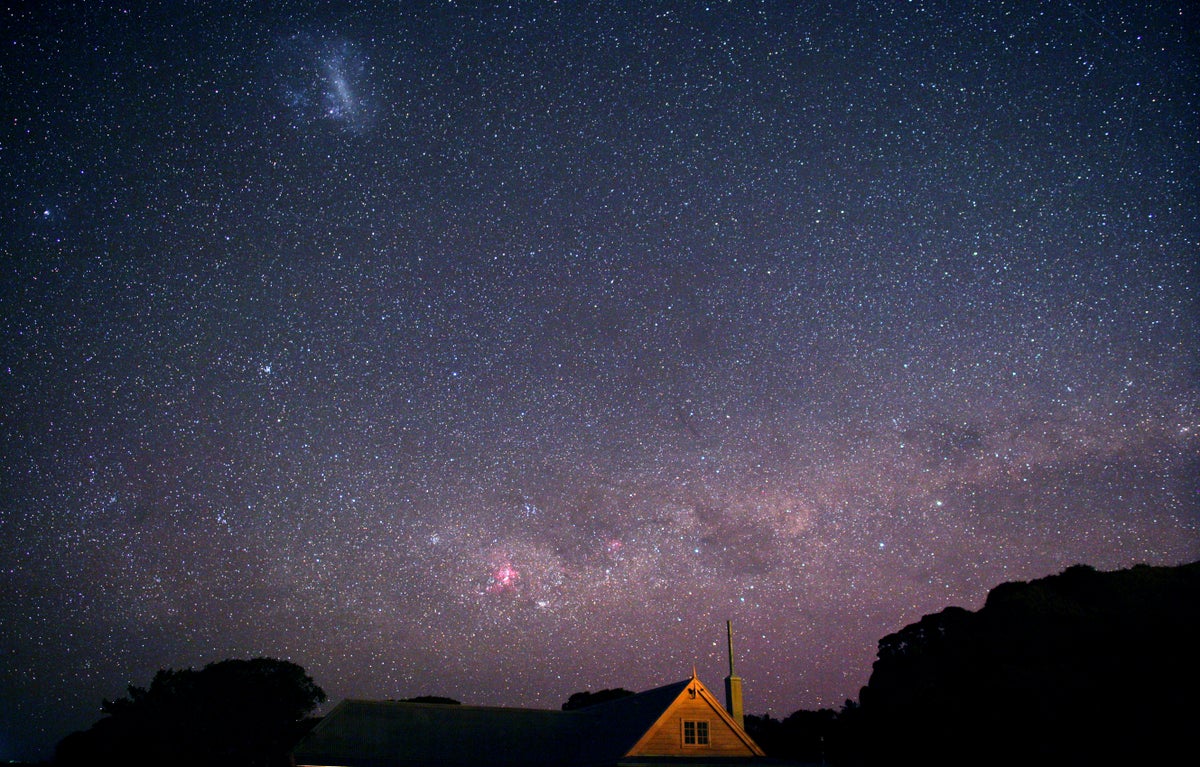
It’s a crisp, clear night in Kaikoura, a town on the east coast of New Zealand’s South Island, when astronomer Dr Larry Fields announces that he’s spotted Matariki in the vast, bright night sky. There’s a collective intake of breath among my companions, an indication of the significance of this special star cluster. Peering through a telescope situated in the garden of a 19th-century whaling station, with the South Pacific waves gently breaking just metres away, I spot a collection of nine bright stars amid a snow-globe sky of twinkling lights, blazing meteors and distant planets. In a dazzling night sky, it’s a special moment.
The stars have long held a special resonance within Maori culture, with an intimate knowledge of astronomy proving essential in sailing vast distances across the Pacific, planting crops, and calculating time. Each year, the rising of Matariki in late June or early July signifies the beginning of the new year in the Maori lunar calendar. It’s a time of reflection, of thinking about the people who have passed away during the year, and of planning for the future. As part of a growing awareness of and respect for indigenous traditions and beliefs, the New Zealand government created a new public holiday in 2022 to mark this special day.