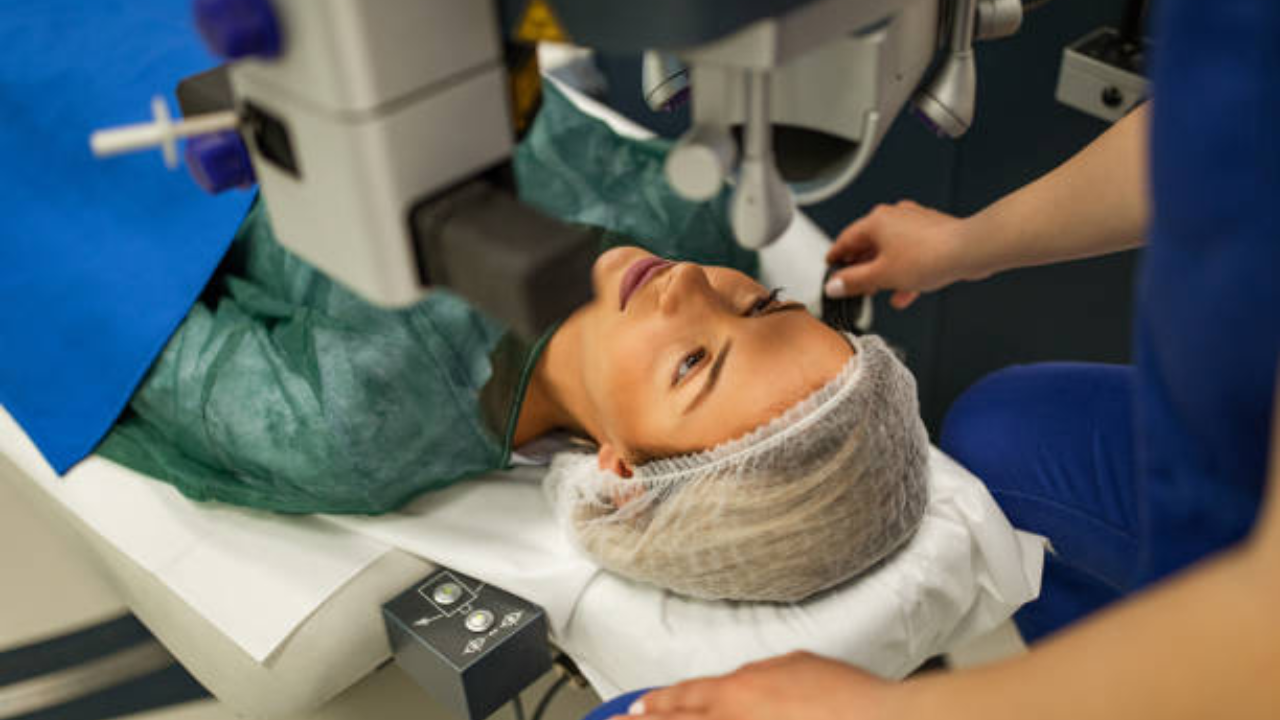
Myopia, commonly known as nearsightedness, develops when the eyeball becomes overly elongated or the cornea exhibits excessive curvature. This optical anomaly causes light to converge in front of the retina rather than precisely on it, resulting in blurry vision when focusing on distant objects. Genetics play a significant role in predisposing individuals to myopia, with a higher likelihood if parents have it. Environmental factors, such as prolonged near work, excessive screen time and limited outdoor activities, also contribute to its progression. Myopia has become increasingly prevalent, particularly in urbanized societies, emphasizing the impact of modern lifestyles on eye health.
We spoke to two top doctors known for their expertise as ophthalmologists, Dr. Mahipal Sachdev, Centre for Sight and Dr. Rushad Shroff, Shroff Eye Center who explained in detail why the disease happens, the ways to deal with them and also if LASIK is the best option to treat it.