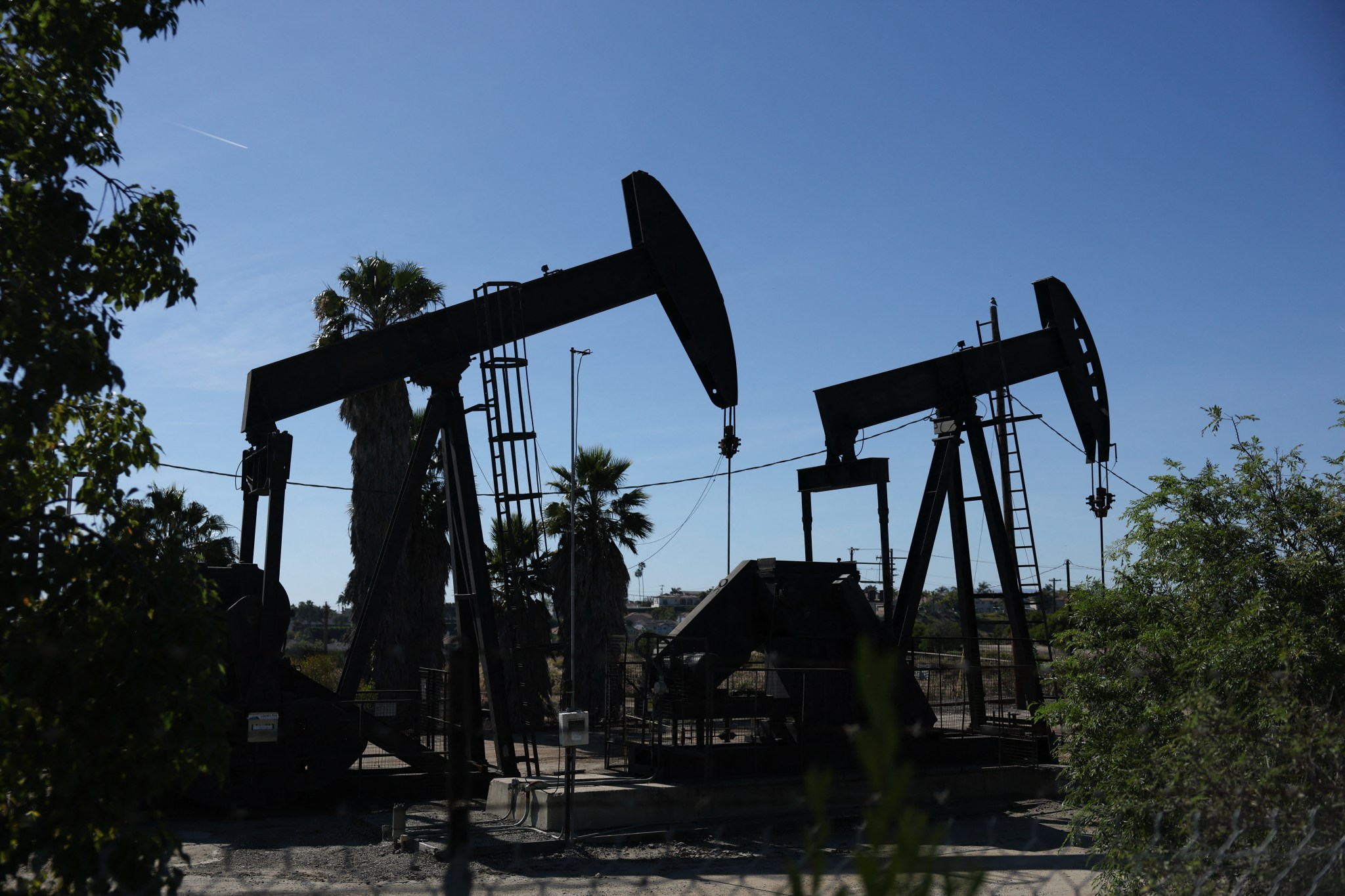
Following the Commerce Department’s release on the morning of April 10 showing that March consumer prices rose at 3.3% year over year in March, this writer received well over a dozen emails from Wall Street analysts, market strategists, and economists making the same main point: It’s the jump in oil prices triggered by Iran’s closure of the Strait of Hormuz that’s primarily responsible for the “hot” consumer price index (CPI) reading. They posit that as long as the cost of gas at the pump and the sundry petroleum and petrochemical derivative products—from plastics to fertilizers—remain elevated, the trajectory will remain far above the Fed’s target tempo of 2%. These experts also invariably forecast a sharp downtrend in the inflation curve once the conflict ends.
But a maverick economist asserts that these prestigious commentators are missing the problem’s true cause, and that while prices are jumping at the same time oil is spiking, it only appears that the petroleum squeeze is to blame. He’s Steve Hanke, the veteran “hardcore monetarist” who is a professor of applied economics at Johns Hopkins University and has been nicknamed “the Money Doctor.” “Everyone’s been writing about how oil prices are causing inflation. It only looks that way. The two are correlated, but the first doesn’t cause the second at all,” declares Hanke. He points out that although Wall Street regarded the new 3.3% figure as a surprise and as a result of the war, Hanke wasn’t surprised. He notes that the three-month annualized rate that occurred back in February was also exactly 3.3%. “Inflation was accelerating before the war, and it will keep accelerating after the war’s over and oil prices fall,” the big-time contrarian told Fortune. “It’s at the point now where the genie is clearly out of the bottle and won’t be put back in anytime soon.”