Few Australians feel prepared to navigate the death of a loved one, with new research revealing widespread gaps in knowledge about wills, palliative care and what to do when someone dies.
The 2026 National Death Literacy and Readiness Report found one in two Australians had not prepared a will, did not know where to access palliative care or were unfamiliar with end-of-life paperwork.
Two in three people also did not know what to do if someone died at home, while half said they had supported or kept company with someone close to death.
Acting head of La Trobe University's Public Health Palliative Care Unit and director of the Death Literacy Institute, Kerrie Noonan said families should not wait to discuss their wishes.
"The worst time to be doing something is in crisis," she told AAP.
"Talking about death and dying has become less stigmatised but we're not yet taking action ... we're waiting and relying on the crisis to take the majority of action."
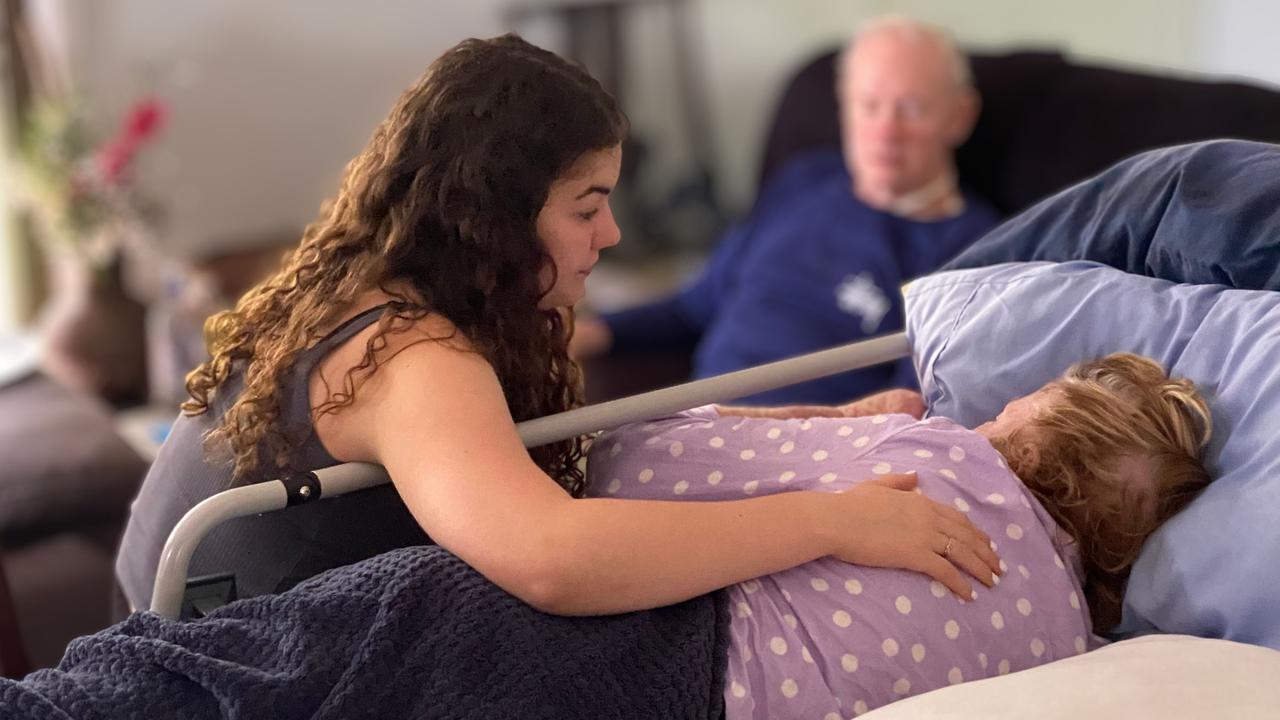
Dr Noonan, who recently supported her own mother through end-of-life care, said having a plan and understanding a loved one's wishes could provide significant relief for families.
"In bereavement when you look back on the experience of being able to support a family member according to their wishes ... and if you know what someone's wish is and to enact that wish is empowering."
Dr Noonan said the challenge was to make conversations about death, caring, loss and grief a normal part of life.
"It's about moving beyond normalising to socialising these kinds of conversations where caring, loss and grief already exist," she said.
Senior project officer Holly Smith said improving Australians' understanding of death and dying was becoming increasingly urgent as the population aged.
"We are facing a lasting demographic shift, not a temporary surge in demand for end-of-life care," she said.
"As Australia's population ages, strengthening our capacity to care for one another must become a national priority."

The researchers have developed an online tool, READYConnect, to help Australians prepare for death and dying.
The platform is designed to measure and strengthen community readiness for end-of-life care, while helping people start conversations with relatives and connecting them with relevant resources.
It's hoped GPs, palliative care providers and aged care services will refer patients and families to the platform.
Lifeline 13 11 14
beyondblue 1300 22 4636