Get all your news in one place.
100’s of premium titles.
One app.
Start reading
The Independent UK
The Independent UK
Health
Holly Evans

More than three hours of binge-watching TV could be sign of loneliness

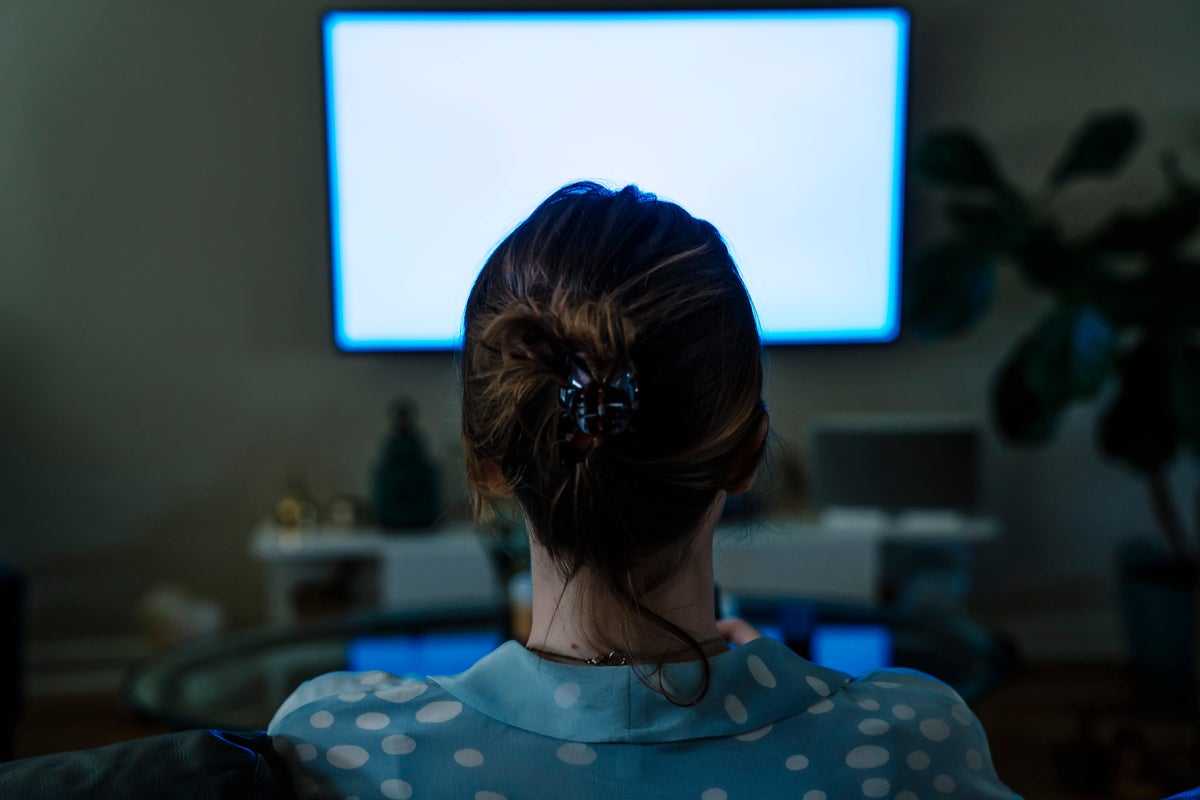
Could a binge-watching session be causing you physical and emotional harm? - (Alamy/PA)

Binge-watching more than four episodes of your favourite show and spending more than three hours a day in front of the TV could be a sign of loneliness, new research suggests.

Since the Covid-19 pandemic, when millions of people were locked inside their homes with little opportunity to socialise, the concept of ‘binge-watching’ has become increasingly common with little understanding of its impact on an individual’s mental health.

The study found that binge-watching is commonly characterised by deep concentration, loss of self-awareness, distorted time perception, enjoyment and gratification.

While this can be considered a healthy leisure pursuit, this is only until it “spirals out of control” and encroaches upon daily tasks like work or study.

Researchers at Huangshan University in China surveyed 551 adults who watch more than three-and-a-half hours of TV and four episodes in one sitting, and measured their tolerance, mood alteration, relapses, sense of withdrawal and its negative impact on their work and relationships.

A new study has found that watching more than four episodes in one sitting is linked to loneliness (Getty/iStock)

Previous studies have found that media consumption patterns increase during periods of emotional distress, with studies “specifically linking increased streaming consumption to feelings of social isolation”.

In this latest study, published in the science journal PLSO One, analysts found the “pursuit of positive emotions” played a crucial role in the development of “problematic viewing patterns”.

It was discovered that 61 per cent of his cohort displayed signs of a “binge-watching addiction”, and they were subsequently asked about their feelings of loneliness and how easy they found it to regulate their emotions.

“Increased loneliness was significantly correlated with higher levels of binge-watching addiction,” according to the researchers. “Individuals experiencing higher levels of loneliness, seeking emotional fulfilment, or using binge-watching as an escape mechanism are more likely to exhibit binge-watching addiction.”

They continued: “Individuals utilise binge-watching to regulate their negative emotions, particularly in coping with loneliness.”

An estimated seven in 10 households subscribe to at least one video streaming service in the UK, with Netflix being the most popular with 17.6m subscribers.

Shows that are commonly cited as the most ‘binge-worthy’ include Netflix hits such as Stranger Things and Squid Game, as well as other multi-series shows such as Game of Thrones, Breaking Bad and The Walking Dead.

In their conclusion, the authors noted: “This study advances our understanding of binge-watching by differentiating between addictive and non-addictive forms, demonstrating that loneliness significantly predicts binge-watching addiction.”

Sign up to read this article
Read news from 100’s of titles, curated specifically for you.
Already a member? Sign in here
Related Stories
Top stories on inkl right now
One subscription that gives you access to news from hundreds of sites
Already a member? Sign in here
Our Picks
Fourteen days free
Download the app
One app. One membership.
100+ trusted global sources.