
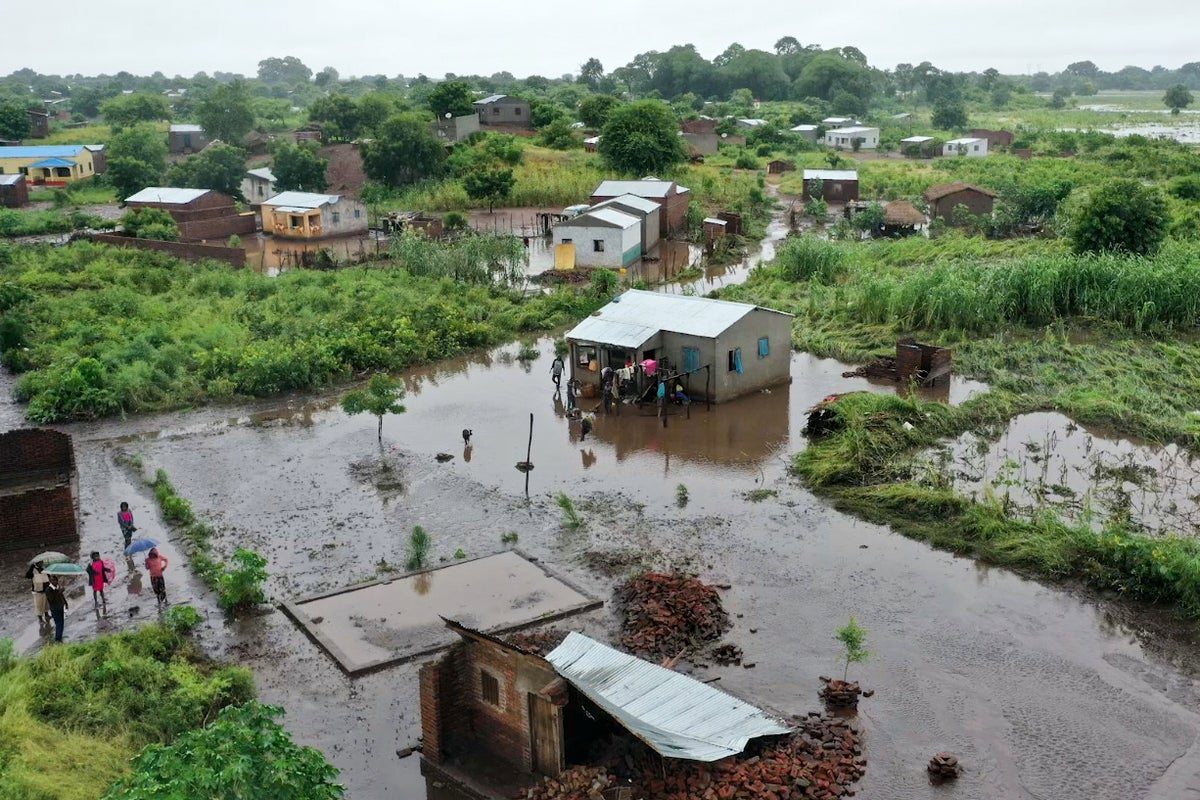
Torrential rain and widespread flooding have claimed the lives of more than 100 people across South Africa, Mozambique, and Zimbabwe, with authorities issuing stark warnings of further severe weather expected to batter several southern African nations.
South Africa has confirmed at least 19 fatalities in two of its northern provinces following heavy downpours that commenced last month, triggering extensive flooding.

The renowned Kruger National Park saw tourists and staff evacuated by helicopter this week from inundated camps.
The park remains closed to visitors, with parts rendered inaccessible due to washed-out roads and bridges, according to South Africa's national parks agency.
In neighbouring Mozambique, the Institute for Disaster Management and Risk Reduction reported a staggering 103 deaths during an unusually severe rainy season since late last year.

These fatalities stemmed from various causes, including electrocution by lightning, drowning in floodwaters, infrastructure collapse due to extreme weather, and cholera outbreaks.
The World Food Programme indicated that the worst flooding has hit central and southern regions, affecting over 200,000 people, damaging thousands of homes, and necessitating the evacuation of tens of thousands.
Zimbabwe’s disaster management agency has recorded 70 deaths and the destruction of more than 1,000 homes since the beginning of the year, with critical infrastructure such as schools, roads, and bridges collapsing.
The island nation of Madagascar, along with Malawi and Zambia, has also been impacted by the deluge, with Madagascar reporting 11 flood-related deaths since late November.
The US Famine Early Warning System has noted reported or anticipated flooding in at least seven southern African nations, attributing the phenomenon possibly to La Niña, a weather pattern known to bring heavy rainfall to parts of southeastern Africa.
South African President Cyril Ramaphosa visited flood-stricken areas in the northern Limpopo province on Thursday, revealing that the region had received approximately 400 millimetres (over 15 inches) of rain in less than a week.
He described the devastation in one district he toured: "there are 36 houses that have just been wiped away from the face of the Earth. Everything is gone ... the roofs, the walls, the fences, everything."
The South African Weather Service has issued a red-level 10 alert for parts of the country for Friday, warning of continued heavy rain and flooding in the Limpopo and Mpumalanga provinces, posing a significant threat to life and potential widespread infrastructure damage.

Kruger National Park, spanning some 22,000 square kilometres across these provinces, has been severely affected, leading to the evacuation of around 600 tourists and staff to higher ground, according to spokesperson Reynold Thakhuli.
He confirmed the park's closure after several rivers burst their banks, flooding camps and other facilities, though no deaths or injuries have been reported within the park.
The South African army has deployed helicopters to rescue individuals trapped on rooftops or in trees in the northern parts of the country, including border post and police officers stranded at a flooded checkpoint on the South Africa-Zimbabwe border.
Southern Africa has endured a succession of extreme weather events in recent years, from devastating cyclones to scorching droughts that have exacerbated food crises in a region already prone to shortages.
The World Food Programme highlighted that over 70,000 hectares (about 173,000 acres) of crops in Mozambique, including staples like rice and maize, have been submerged in the current floods, deepening food insecurity for thousands of small-scale farmers reliant on their harvests.
Julio Iglesias says sexual abuse allegations against him are ‘absolutely untrue’
At top UN court, Myanmar denies deadly Rohingya campaign amounts to genocide
‘Coercive’ US health deals could cause abortion access to collapse, charities warn
Plan to include pregnant women in drug trials ‘a generational change’
Controversial land reform in Zimbabwe ‘helping small farmers over climate change’
Thousands forced to flee after notorious gang leader threatens death







