
Get all your news in one place.
100’s of premium titles.
One app.
Start reading
TechRadar
TechRadar
Efosa Udinmwen

More internet outages on the way? Google and Meta delay subsea cable plans due to sabotage fears

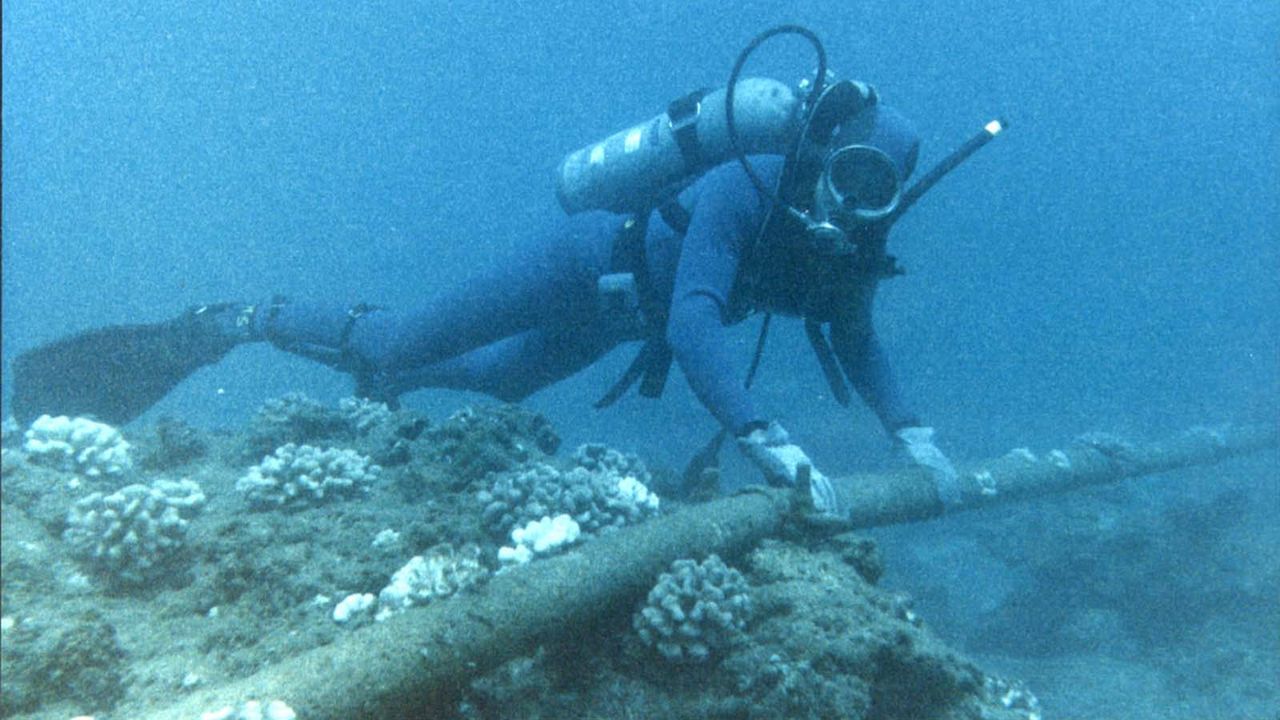
A SCUBA Diver Checks An Undersea Cable.
  • Delayed Red Sea subsea cables are tightening global bandwidth in already strained regions
  • Operators face dangerous conditions that stop vital installation crews from working safely
  • High-risk waters are forcing telecoms to abandon long-planned deployment timelines

Ongoing instability in the Red Sea has created severe obstacles for tech giants and subsea cable operators, who now face prolonged pauses in construction as security threats complicate every stage of deployment.
Cable-laying vessels require predictable access, stable waters, and political clearance, yet these conditions are no longer present in a zone where conflicts have disrupted routine maritime activity.

Companies involved in major systems expected to link Europe, Asia, and Africa have confirmed critical segments of their infrastructure cannot move forward because their ships and crews cannot operate safely.

Critical projects lose momentum

Meta’s 2Africa system and Google’s Blue-Raman project remain the most visible examples of stalled work, with Red Sea sections still incomplete despite years of planning and extensive investment.

Operators responsible for additional cables, including India-Europe-Xpress, Sea-Me-We 6, and Africa-1, have been unable to complete their planned routes, creating a bottleneck in a corridor that historically handled large volumes of global data traffic.

These delays add pressure to countries that rely on limited cable paths and continue to experience slower speeds and higher prices.

Telecommunications groups are now evaluating overland routes through Bahrain, Saudi Arabia, and Iraq in an attempt to bypass the Red Sea entirely - ironically paths which were once dismissed as too expensive or politically complex.

Some companies are exploring the possibility of seeking exemptions from the US Treasury Department, which would allow them to negotiate directly with authorities in Yemen to secure permits for cable-laying operations.

Others have discussed whether support from international security organizations may be necessary to guarantee safe access for vessels tasked with installation and maintenance.

The delays have created broader operational challenges, with traffic shifting to alternative systems that were not designed to carry prolonged excess demand.

This congestion affects enterprise services dependent on stable international routes, especially organizations relying on business broadband connections for daily operations.

Capacity shortages also complicate disaster recovery plans because sudden rerouting places additional dependence on cloud backup networks that must absorb unexpected loads.

Countries with fewer cable links remain the most vulnerable because they lack the redundancy needed to withstand prolonged disruptions.

These conditions suggest that the likelihood of further outages will increase if geopolitical risks continue to block construction across the region.

Via Bloomberg

Follow TechRadar on Google News and add us as a preferred source to get our expert news, reviews, and opinion in your feeds. Make sure to click the Follow button!

And of course you can also follow TechRadar on TikTok for news, reviews, unboxings in video form, and get regular updates from us on WhatsApp too.

Sign up to read this article
Read news from 100’s of titles, curated specifically for you.
Already a member? Sign in here
Related Stories
Top stories on inkl right now
One subscription that gives you access to news from hundreds of sites
Already a member? Sign in here
Our Picks
Fourteen days free
Download the app
One app. One membership.
100+ trusted global sources.