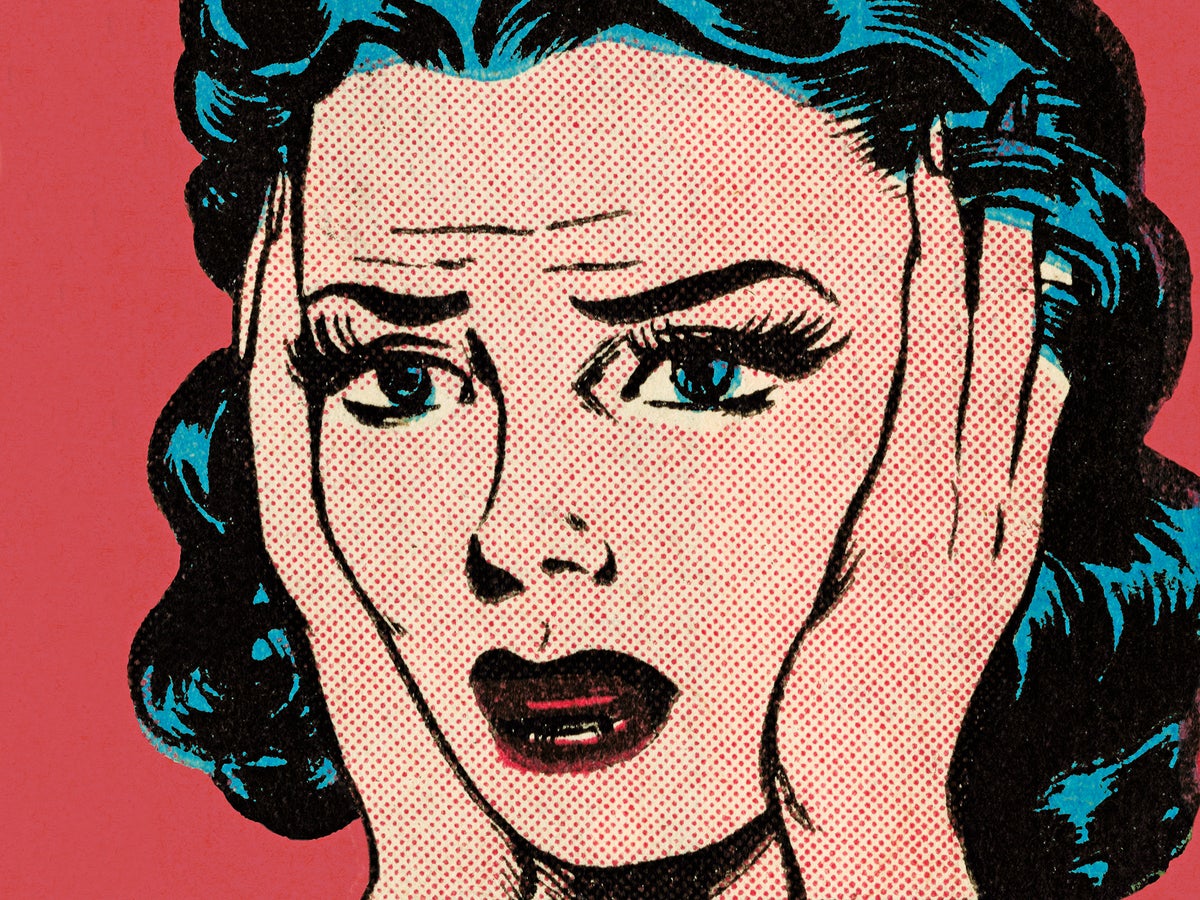
Hannah always had perfect skin. “It was one of the only parts of my appearance that I could feel completely comfortable with,” she says. As a teenager, she even remembers feeling left out when her friends all had spots. Things changed when she turned 26. “I suddenly got spots around my forehead and blackheads for the first time. It was like they kept multiplying when I wasn’t looking.” With skincare beyond her budget, Hannah turned to makeup. “I covered my face in cheap foundation and concealer, which just made things worse. I felt dirty and unkempt all the time; it took a real toll on my self-esteem.”
Everyone expects to have skin issues in their teen years. Through a cocktail of puberty, raging hormones and possibly being exposed to alcohol for the first time, it’s no wonder that it starts to show on our faces. But, generally speaking, we’re taught that these issues go away when we enter adulthood. Acne is synonymous with spotty 14-year-olds, not working adults. The NHS states that acne is most common in girls from the ages of 14 to 17, and in boys from 16 to 19, but that it often disappears when a person reaches their mid-twenties.