Get all your news in one place.
100's of premium titles.
One app.
Start reading
The Times of India
The Times of India
World
TOI World Desk

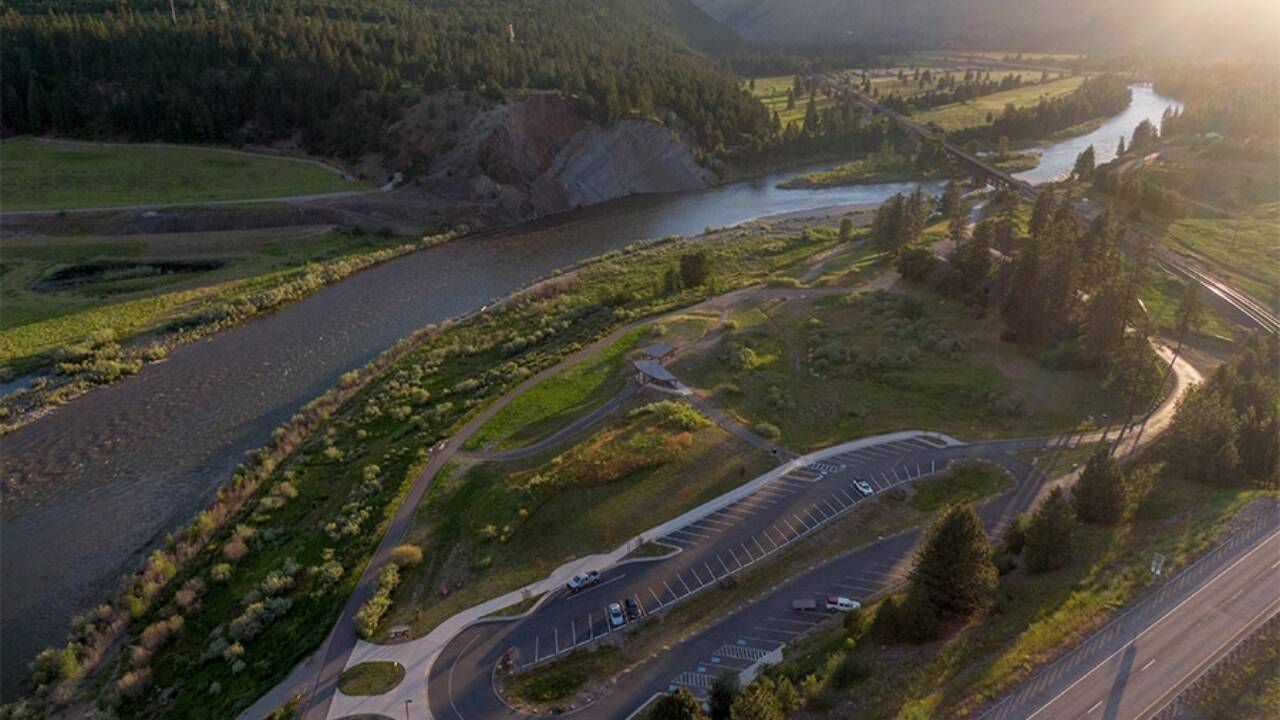
Montana removed more than three million tons of contaminated sediment and dismantled the dam that trapped it; the former Superfund site is now a 500-acre state park

At the confluence of Montana’s Clark Fork and Blackfoot rivers, considered one of America’s most polluted industrial landscapes, a noticeable transformation has occurred. According to the U.S. Environmental Protection Agency (EPA) , for more than four decades, Milltown Dam trapped millions of tons of mining waste washed downstream from the Butte and Anaconda mining districts. Thus, contaminated with arsenic, copper, lead, zinc and other heavy metals, the sediment polluted groundwater, threatened aquatic life and even blocked fish migration. According to the EPA, the cleanup eventually removed over three million tons of contaminated sediment, dismantled the century-old dam and restored a free-flowing river system. Today, the former Superfund site has been reborn as Milltown State Park, a 500-acre landscape of wetlands, trails and wild habitat.

Get breaking news anytime, anywhere. Download the TOI app now!

Cleaning up a century of mining pollution

According to the EPA, the disaster’s roots stretched back to the late 19th century, when mining and smelting operations released huge quantities of metal-laden waste into the upper Clark Fork River. Notably, in 1908, a flood swept millions of tons of toxic tailings downstream, where they accumulated behind the Milltown Dam. Over the following decades, nearly 6.6 million cubic yards of contaminated sediment built up in the reservoir, while arsenic seeped into local groundwater and dissolved metals degraded the river ecosystems. Following the discovery of arsenic contamination in nearby drinking-water supplies, the site was added to the National Priorities List in 1983, thus beginning one of the major river restoration projects of the United States.

Notably, the cleanup accelerated after the EPA and Montana Department of Environmental Quality issued the final Record of Decision on the restoration plan in 2004. According to the EPA, teams excavated and removed more than three million tons of contaminated sediment and transported most of it by rail to the Anaconda Smelter Superfund Site for secure disposal. Following this, in 2010, Milltown Dam was demolished, allowing the Clark Fork and Blackfoot rivers to flow freely together for the first time in more than a century and, therefore, reopening migration routes for native fish.

From a contaminated reservoir to thriving park

According to the EPA and the Montana Natural Resource Damage Program, restoration teams rebuilt river channels, reconnected floodplains, created wetlands and replanted native plant species to recreate a functioning river ecosystem. Furthermore, community leaders, tribal representatives and conservation agencies developed a long-term redevelopment plan that centred on public access and ecological recovery. The result was the Milltown State Park, a 500-acre protected landscape featuring hiking trails, river access, and interpretive exhibits and restored wildlife habitat overlooking the confluence of the Clark Fork and Blackfoot rivers.

According to the EPA, the restored floodplain now supports native vegetation, healthier fisheries and recreational opportunities that were not possible when the reservoir was contaminated. The EPA has also noted that the project improved drinking water protection, restored fish passage and created habitats for birds, mammals and aquatic species while transforming the former industrial liability into a community asset. Notably, conservation experts frequently cite Milltown as an example of how environmental remediation, habitat restoration and local redevelopment can be integrated into a single long-term recovery initiative.

More than four decades after the site entered the Superfund programme, Milltown stands as one of EPA’s most notable restoration projects. According to the EPA, the project highlights that even landscapes burdened by years of industrial pollution can recover when the cleanup is combined with ecological restoration and community planning.

Sign up to read this article
Read news from 100's of titles, curated specifically for you.
Already a member? Sign in here
Related Stories
Top stories on inkl right now
One subscription that gives you access to news from hundreds of sites
Already a member? Sign in here
Our Picks
Fourteen days free
Download the app
One app. One membership.
100+ trusted global sources.