
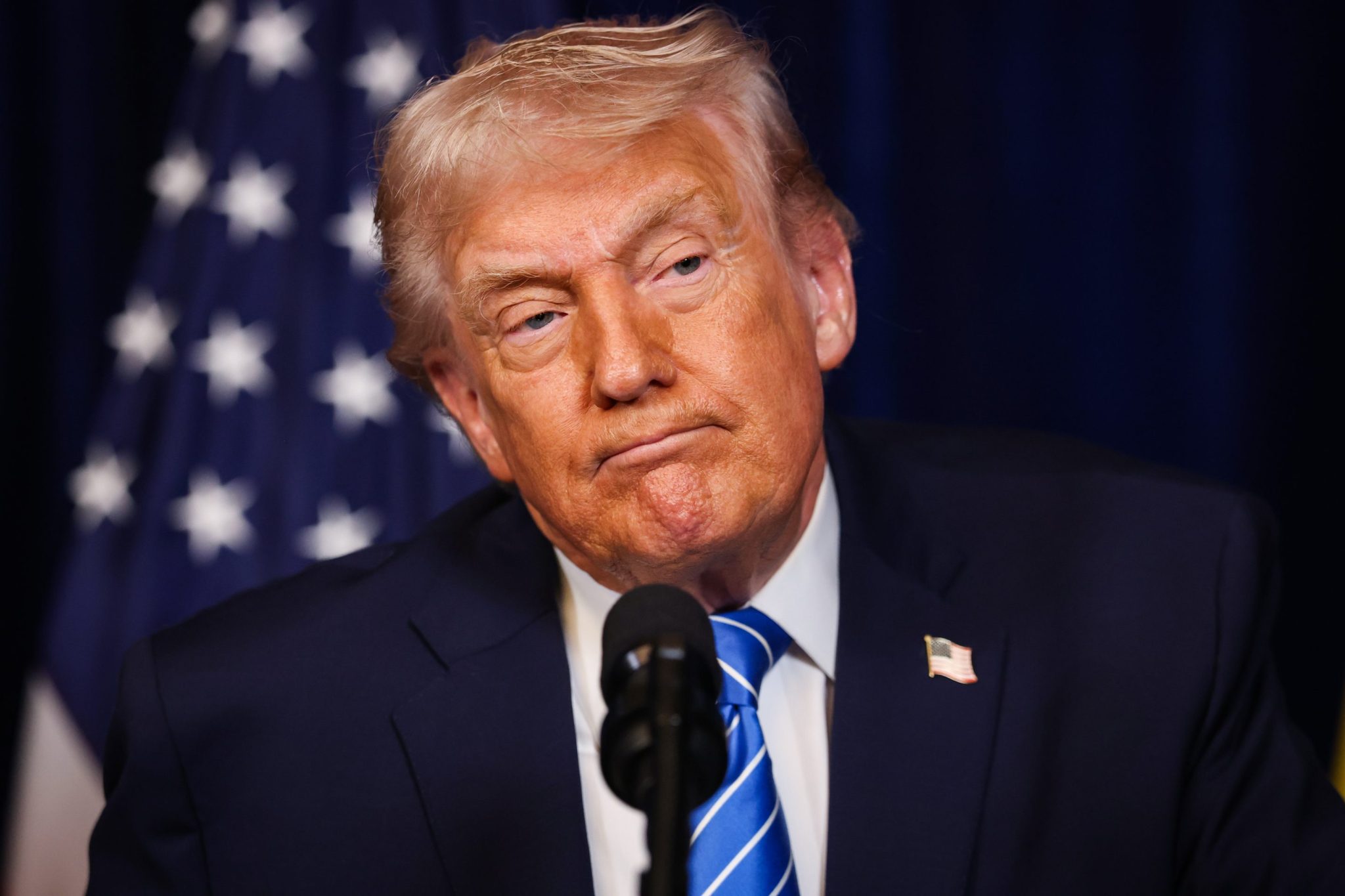
With the United States in debt to the tune of $38 trillion, President Trump has decided now is the time for the White House to also “run” another country. While the U.S. will not incur the costs needed to keep Venezuela’s economy moving, the action taken over the weekend will no doubt come with price tags attached.
This, says UBS, will be a key concern for investors evaluating the risk premium for U.S. debt going into 2026. America’s fiscal trajectory, namely its debt burden, has been a growing concern for the likes of JPMorgan Chase’s Jamie Dimon and Federal Reserve Chairman Jerome Powell, as well as droves of economists and Wall Street analysts.
These concerns are made sharper by recent changes to Trump’s tariff policies, some of which he has recently delayed. In the face of increased outlays, the Oval Office is also reducing its income. Last week the White House ordered the delay to an increase in tariff rates for upholstered furniture, kitchen cabinets, and vanities that was set to take place on Jan. 1, 2026. It was pushed back by a year.
A seeming falter on tariffs—an unusual but significant policy in helping rebalance America’s books—is likely to cause investors to question how reliable the income stream will be. Indeed, cash is needed all the more at the outset of a new geopolitical upheaval.












