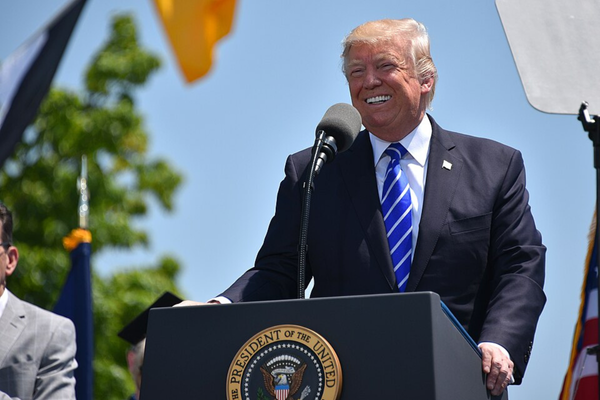
The U.S. is not currently at war with Iran, though that could apparently change at any moment. Over the weekend, President Donald Trump bombed Iranian nuclear enrichment sites in an attempt to forestall its ability to produce a nuclear weapon. He has insisted ever since that the U.S. is not at war.
Trump did not seek Congress' approval, violating not just the Constitution but the War Powers Resolution of 1973 (sometimes also called the War Powers Act). One of his allies now says the latter act unnecessarily ties the president's hand and may even be unconstitutional. But opposing limitations on the president's power to make war is a bipartisan tradition. And if the War Powers Resolution is unconstitutional, it's because it gives the president too much power, not too little.
"Many respected constitutional experts argue that the War Powers Act is itself unconstitutional. I'm persuaded by that argument," House Speaker Mike Johnson (R–La.) said this week. "They think it's a violation of the Article II powers of the commander in chief. I think that's right."