
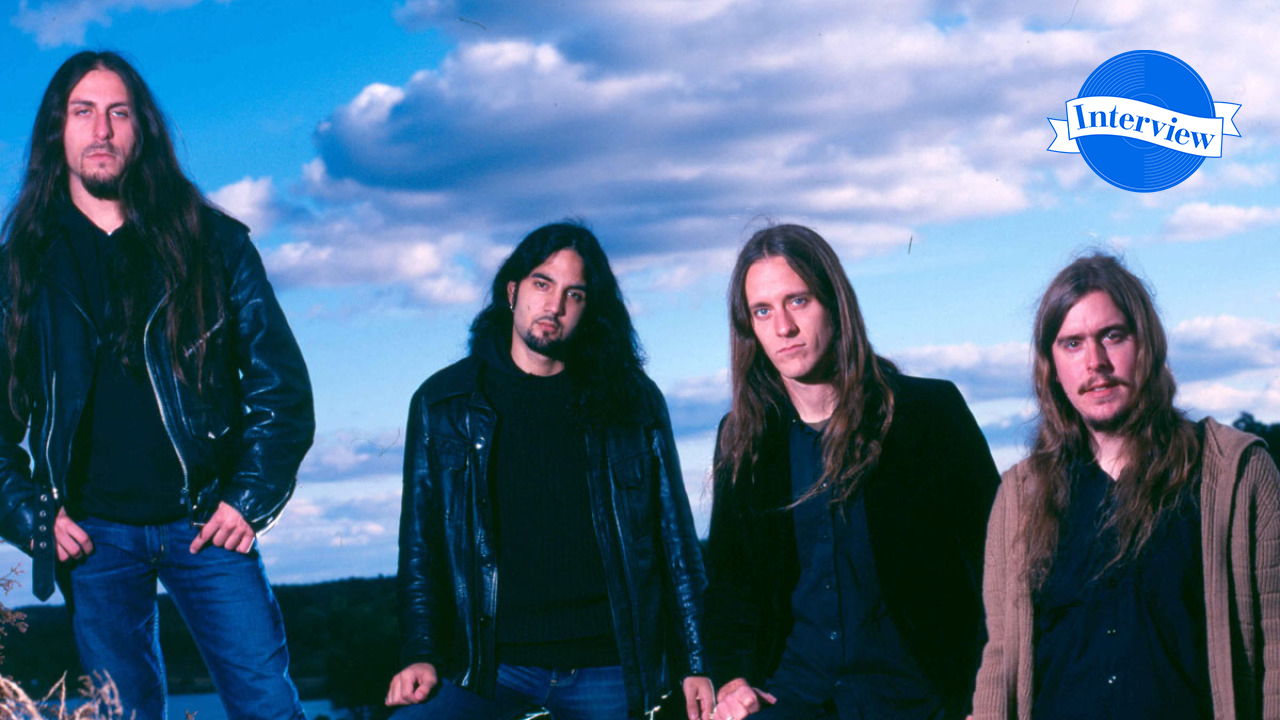
Though it’s widely hailed as one of the greatest progressive rock releases this side of the millennium, when Opeth mastermind Mikael Åkerfeldt was contemplating 2003’s Damnation – an experimental “calm” record for release alongside the brutal assault of sixth album Deliverance – he wasn’t too sure how it would be received. The Swedish quartet were just starting to establish themselves out of the extreme metal underground and build momentum as a worldwide force, so in his eyes it seemed like a risky move at a crucial time.
Thankfully, they chose to gamble and turn down the distortion for what would become one of their most universally admired recordings. A love letter to the leftfield and obscure sounds of the '70s, combining beautiful folk balladry with intense atmospheres that seduce as much as they threaten, Damnation would find a special place in the hearts of progressive rock fans around the world and leave many a listener addicted to its ethereal charms. The band had always taken influence from well outside the genre they operated in, with musical concepts rooted in classical and jazz to be found as far back as their 1995 debut, but this was very much a step into the unknown…