
Get all your news in one place.
100’s of premium titles.
One app.
Start reading
Woman & Home
Woman & Home
Lifestyle
Lucy Wigley

Midlife women are divorcing as 'walkaway wives' in big numbers - here's why

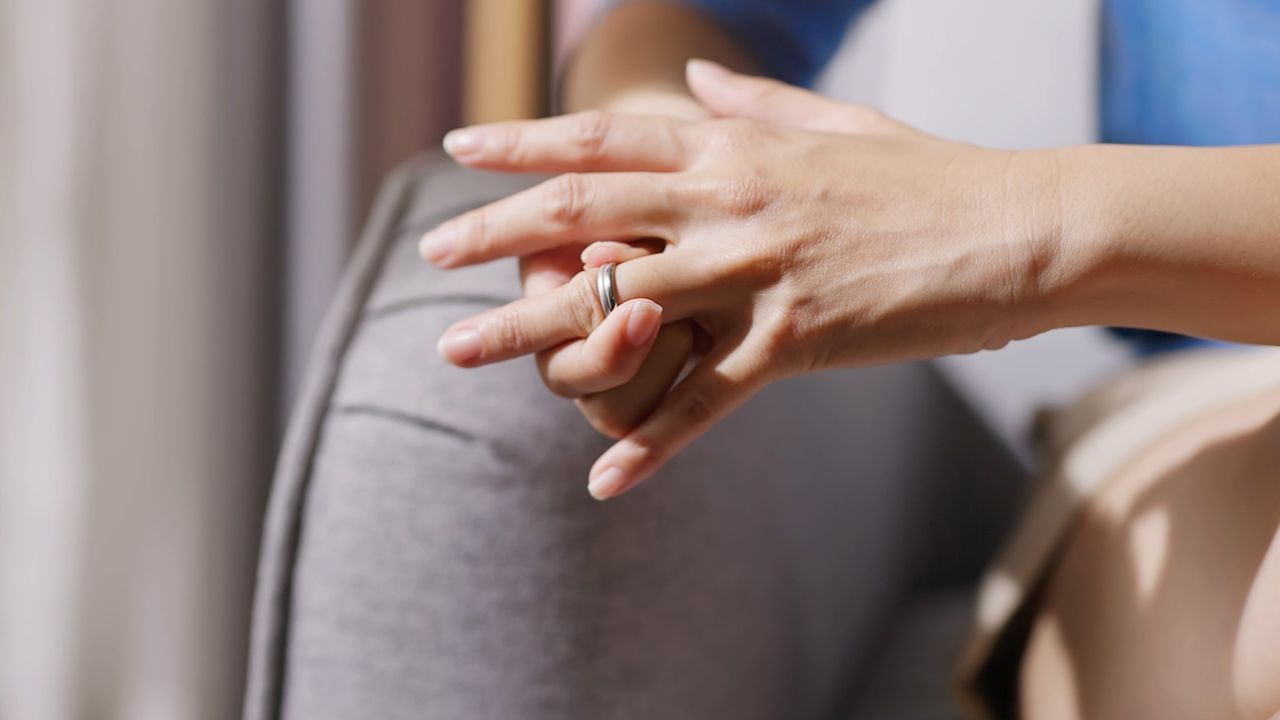
Woman removing her wedding ring.

Getting divorced is a complicated and sensitive time in a person's life. Even with amicable divorce methods available, difficult emotions are likely to arise during a time of such upheaval.

Recently, the process of getting divorced has been given varied labels, and this vocabulary can add confusion to those going through the process. On top of grey divorce and quiet divorce, a new term has entered the mix.

It's been found that "walkaway wives" are on the rise, and this is the latest term given to women who are initiating divorce. Interestingly, midlife women make up the largest number of those opting to start divorce proceedings this way.

Perhaps less surprisingly, their husbands are being left shocked by the wives who choose to separate in this way.

If you aren't familiar with the term, we've spoken to some relationship experts, who break down just what a walkaway wife is. They also give insight into why midlife women are leading the way with this method of divorce and why it's taking husbands by surprise.

What is a walkaway wife?

LJ Jones is a BACP-registered therapist and author, specialising in family dynamics. LJ succinctly sums up what it is to be a walkaway wife, and it's not as harsh or unemotional as the name might imply.

She tells us, "A ‘walkaway wife’ is not someone who leaves impulsively or without warning, but rather a woman who has emotionally disengaged over a period of time before physically leaving the marriage."

The therapist adds, "These women often spend years attempting to communicate unmet needs while seeking connection and support, yet frequently carry the emotional labour of the relationship alone.

"When they eventually leave, it is usually after deep and prolonged resignation, and a sense of helplessness in restoring mutual respect and harmony - rather than anger or irrationality.

"The decision usually comes only once they no longer believe change is possible and that all avenues have been exhausted."

According to BACP-accredited counsellor, Georgina Sturmer, who also specialises in relationship therapy, a walkaway wife has had enough of "Years of waiting or hoping or trying" their marriage will improve.

The decision to leave is not easy, but there's little choice when women are left feeling so "unappreciated, unfulfilled or unsatisfied."

(Image credit: Getty Images)

Why are midlife women more likely to be walkaway wives?

A lot of research has been carried out on the matter, breaking down the demographics of walkaway wives. A report has proven that midlife women make up a large majority of the numbers.

According to The Independent, the report compiled by the law firm Mishcon de Reya, wealth management company Julius Baer, and the midlife community platform NOON, shows that nearly half of divorces are now being instigated by midlife women.

Within this, 56 per cent of the female respondents taking part in the survey contributing to the report said they would end a marriage because they were unhappy.

Many reported a rise in happiness after leaving their marriage, with 76 per cent of women who had already divorced saying they wouldn't hesitate to make the same decision again.

Once again, LJ Jones and Georgina Sturmer offer valuable insight into the question of why women in midlife are more likely to leave their marriages this way, and their answers might have you nodding in recognition.

LJ says, "Midlife is often a period of profound self-reflection for women. Many have spent decades prioritising children, partners, and family responsibilities, frequently at the expense of their own needs and identity.

"As children grow older and life naturally prompts a desire for growth and fulfilment, women often begin to question whether their marriage truly reflects who they are now, and whether they are experiencing a genuine sense of quality of life within their partner."

The therapist also tells us that women in their fifties and older are more likely to present with "depression rooted in profound regret about not having lived a fulfilled life."

This can be related to staying in unhealthy and unhappy marriages for too long. Perhaps feeling their time to enjoy themselves and feel fulfilled could be running out, these women are waking away in a world where "labels, such as 'spinster' are fading out, and midlife female autonomy is being celebrated and respected," LJ says.

(Image credit: Getty Images)

Georgina Sturmer explains the decision for a woman to "walk away" in terms of how she has formed attachments.

"From an attachment perspective, we might expect to find that women with an ‘avoidant’ attachment style are more likely to take this approach than women with an ‘anxious’ attachment style," she says.

Georgina adds, "This is because an ‘avoidant’ woman is likely to seek comfort in distance. Emotional disengagement comes more naturally to them, and independence is prized. They are likely to feel comfortable stepping away from a relationship, and may enjoy the idea of becoming self-reliant."

Why do husbands feel shocked when their wives walk away?

We've established that a walkaway wife has been unhappy with her marriage for a long period of time, taking time to communicate this to her husband.

So why would it come as a shock to these men when their wives leave? LJ Jones sums this up perfectly.

"For many husbands, the separation can feel sudden because emotional withdrawal often goes unnoticed or unacknowledged. Women may stop voicing concerns once they feel unheard, misunderstood, or exhausted by repeated, fruitless attempts to create positive change.

"From the outside, this can look like a state of calm or acceptance, when in reality it reflects emotional detachment. By the time the decision to leave is shared, the internal process has usually been unfolding quietly for years, which can explain the sense of shock.

"This shock often stems from the husbands’ own complacency or denial - they simply did not expect their wives to leave. Many women in therapy also report that their ex-husbands may not have recognised the strength it took for them to make such a profound leap."

Sign up to read this article
Read news from 100’s of titles, curated specifically for you.
Already a member? Sign in here
Related Stories
Top stories on inkl right now
Our Picks
Fourteen days free
Download the app
One app. One membership.
100+ trusted global sources.