Get all your news in one place.
100's of premium titles.
One app.
Start reading
AAP
AAP
Business
Will Nicholas

Middle East or money-wasters: inflation mud-fight grows

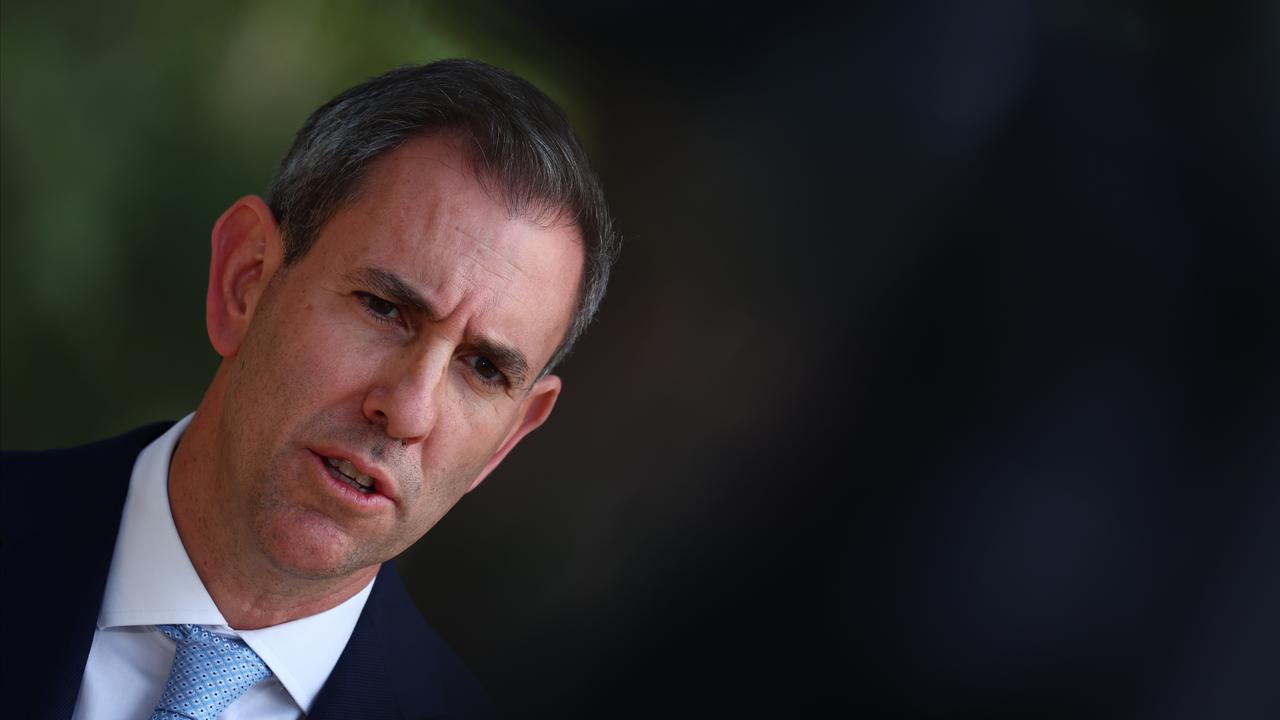
Treasurer Jim Chalmers rejects claims the government had been spendthrift, helping stoke inflation. (Jason O'BRIEN/AAP PHOTOS)

Who's responsible for making mortgages dearer will be the subject of a vicious political tussle over what's triggering Australian inflation.

The RBA's benchmark borrowing rate hit 4.6 per cent - its highest in nearly 15 years - in a decision by the Reserve Bank on Tuesday.

The fourth rate rise of 2026 means the average mortgage holder will now pay about $450 more a month than they did in February.

"This decision is difficult for households with a mortgage and businesses with loans, but high inflation hurts all Australians," RBA governor Michele Bullock told reporters in Sydney on Tuesday.

rba
Reserve Bank governor Michele Bullock has overseen four rate hikes so far in 2026. (Sarah Wilson/AAP PHOTOS)

"It's critical that we stop expectations for high inflation from becoming embedded in price-setting decisions across the economy, or the problem will only get worse."

Trimmed mean inflation, the RBA's preferred measure, is well above the bank's 2-3 per cent target range at 3.6 per cent, with a new figure to be released on Wednesday.

Master spinners have pounced on the question of whether the Middle East conflict or domestic demand driven by government spending have a bigger impact on stoking inflation, and therefore which has greater sway over the central bank.

Treasurer Jim Chalmers agreed geopolitics was not solely culpable, but rejected the government had been spendthrift.

"The re-escalation of the war ... that has turbocharged an existing inflation challenge that we have in our economy," he told reporters in Brisbane shortly after the RBA's announcement.

"We've put so much time and effort into repairing the budget that we inherited, I delivered ... the first two surpluses for a decade and a half, and then we got the subsequent deficits down much, much smaller."

Government spending as a proportion of GDP climbed to 26.9 per cent in 2025/26, the highest in four decades save for the COVID-19 pandemic.

"There's international effects, but ... it doesn't explain the interest rate rise on February 3 of this year before a single bomb had been dropped on Tehran," shadow treasurer Tim Wilson said on Tuesday.

"Until (the government) is prepared to pull its belt in, not just turn around to the Australian community and tell them to pull their belt in, we're not going to see a change."

For her part, the RBA governor signalled the US war with Iran was intensifying other underlying inflation drivers in the economy.

"This isn't all about the Middle East conflict," Ms Bullock said.

wilson
Shadow treasurer Tim Wilson is calling for the government to tighten its spending belt. (Con Chronis/AAP PHOTOS)

"It is making things much worse, but we did start from a position of excess demand anyway, and that's why we started raising interest rates even before the conflict started."

Ms Bullock also deplored Australia's lacklustre productivity, which is not within the Reserve Bank's remit, but whose annual growth rate has sagged more than half since 2014/15 to 0.8 per cent.

"Productivity is doing nothing," she said.

"Governments could be looking at regulations ... grease the wheels, but it's also incumbent upon businesses to take opportunities."

Sign up to read this article
Read news from 100's of titles, curated specifically for you.
Already a member? Sign in here
Related Stories
Top stories on inkl right now
One subscription that gives you access to news from hundreds of sites
Already a member? Sign in here
Our Picks
Fourteen days free
Download the app
One app. One membership.
100+ trusted global sources.