.jpeg?width=1200&auto=webp&trim=0%2C0%2C46%2C0)
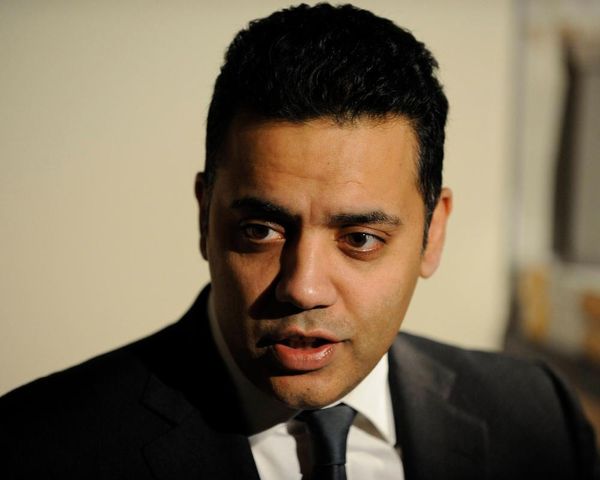
Michael Sheen is visiting Bulldogs, a boxing gym in Port Talbot. He’s talking to the gym’s manager Ceri, a full-time worker and a single mum. Ceri has £12,000 worth of credit card debt and, at various points, has been forced to use food banks. She’d love to own her own home but, as you might gather, despite a reasonably positive career trajectory, that’s currently a pipe dream.
How did basic survival become so ridiculously difficult in what remains a fundamentally wealthy country? And can television, with a touch of star power on the side, help to address this question? While TV dramas, from Cathy Come Home in 1966 to Mr Bates vs The Post Office last year, have had some success in shifting the conversation around scandals and social issues and prompting real change, the record of campaigning factual TV has been patchy at best. The presenter Vicky Pattison’s recent salvo against revenge porn, for example, was a misfire. Jamie Oliver’s attempts to address Britain’s terrible school dinners ran into a toxic slew of issues around both culture and basic economics. Is it possible that television simply isn’t cut out to make a difference on these terms?