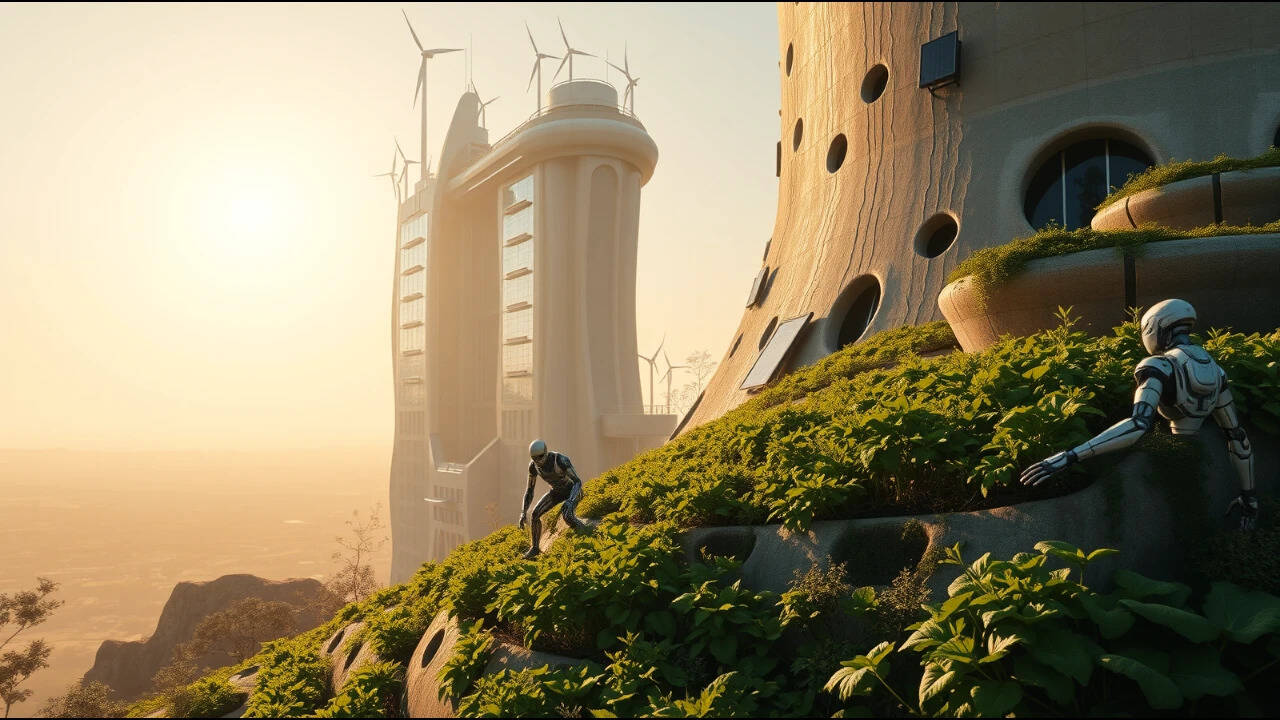
Every day, tortilla production creates a little-known waste stream called nejayote, the calcium-rich wastewater left behind when corn is soaked in an alkaline solution during nixtamalization. Mexican design studio Manufactura saw an opportunity in that waste, developing Corncretl, an experimental bio-based construction material that combines recycled nejayote derivatives and dried corn residues with limestone and other lime-based mineral components. The material was developed for robotic 3D printing, allowing it to be deposited layer by layer into architectural forms rather than cast using conventional concrete moulds. Manufactura says the approach could reduce carbon emissions by up to 70 per cent compared with conventional concrete, although Corncretl remains a prototype rather than a commercially established replacement for structural concrete. The project began with food waste generated by a Berlin taqueria and eventually became a collaboration spanning Mexico, Germany and Italy, showing how an everyday food byproduct can become part of an experimental circular construction system with global ambitions. This innovative material represents a compelling glimpse into sustainable construction's future, demonstrating how everyday food waste can potentially transform traditional building practices while significantly reducing environmental impact.
Get breaking news anytime, anywhere. Download the TOI app now!