Meta Platforms may have found the product that could transform it from a social media giant into one of the dominant players in consumer artificial intelligence, with JPMorgan betting that its newly launched Muse agent could become the most widely used consumer AI application since ChatGPT.
JPMorgan analyst Doug Anmuth raised the bank's price target on Meta to $920 from $820 on Thursday while maintaining an overweight rating on the stock. The new target represents roughly 24% upside from Wednesday's closing price.

"Meta continues to move towards superintelligence with Muse off to a strong start, quickly iterating, improving, and expanding, with the potential to bring an extremely capable personal agent to billions of users," Anmuth wrote in a note cited by CNBC.
"While it is still early, we believe that Muse has the potential to become the most widely used consumer AI application since ChatGPT," he added. That would represent a significant shift in the AI race.
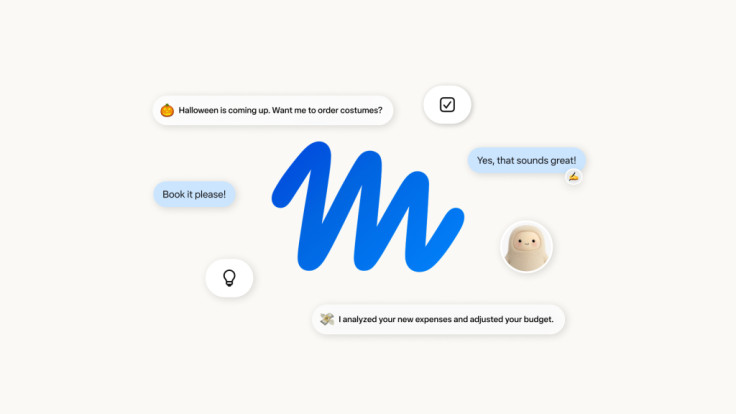
While OpenAI's ChatGPT helped introduce generative AI to a mass audience, Meta is positioning Muse as something beyond a chatbot. The agent is designed not only to answer questions but to take actions on a user's behalf, including sending emails, booking travel, filling out forms and making purchases.
Muse, launched in the U.S. earlier this month, runs on Meta's multimodal Muse Spark model and can operate across a user's apps and online services. Meta says the agent can continue working after the user closes the app and seek approval when necessary before completing sensitive actions such as purchases or sending messages.
The early response has already helped reshape investor perceptions of Meta's AI strategy. The company's shares have climbed roughly 30% in September, putting them on pace for their strongest monthly performance since July 2013, when the stock gained 48%.
Within its first weeks, the agent has connected with thousands of applications, while Meta has announced integrations with major retailers and services including Walmart, Best Buy, Sephora and Wayfair. At Connect, the company also highlighted shopping and payment relationships involving Shopify, Stripe and PayPal.
Those connections could eventually turn Muse into more than an AI assistant. They could make it a new commercial platform. "We view Connectors, and open APIs, as the first of many steps to bring businesses onto Muse," Anmuth wrote.
JPMorgan envisions a future in which tens of millions, and potentially hundreds of millions, of businesses operate their own agents within the Muse ecosystem. Instead of Muse navigating websites or calling companies for customers, transactions could increasingly happen directly between AI agents.
That could give Meta an entirely new business model. According to Anmuth, Meta could eventually collect commissions or transaction fees when Muse facilitates purchases and other interactions, creating a system that in some ways parallels its existing advertising business.
CEO Mark Zuckerberg outlined a similar vision at Meta Connect, saying the company expects Muse to remain free for a large amount of usage while Meta ultimately makes money by collecting a small fee from transactions facilitated by the agent.
However, personal AI agents require users to grant access to highly sensitive services, including email, calendars, payments, and potentially other personal accounts. Meta is emphasizing Muse's security architecture, but privacy and trust remain central challenges as the company asks consumers to allow an AI system to act autonomously on their behalf.
Competition is also intensifying as OpenAI, Google and other technology companies push deeper into AI agents and commerce. For now, however, Wall Street enthusiasm around Meta remains strong. Of 63 analysts covering the company, 57 have buy or strong-buy ratings. Meta shares are up nearly 13% in 2026.