Jeffrey Robert Barrett bought a property in Wyndham Vale, in Melbourne's west, in 1981, when it was zoned for rural use. Decades later, planning changes placed public acquisition overlays across that property and an adjoining one he owned, reserving parts of the land for a future transport corridor and an environmental grassland reserve. After the local council refused a development application because of the overlays, Barrett pursued compensation through the courts, a case that culminated in a Victorian Supreme Court judgment. Here's how the dispute unfolded, and how the compensation figure was reached.
Get breaking news anytime, anywhere. Download the TOI app now!
How Jeffrey Barrett's 1981 land purchase was later reserved for public use
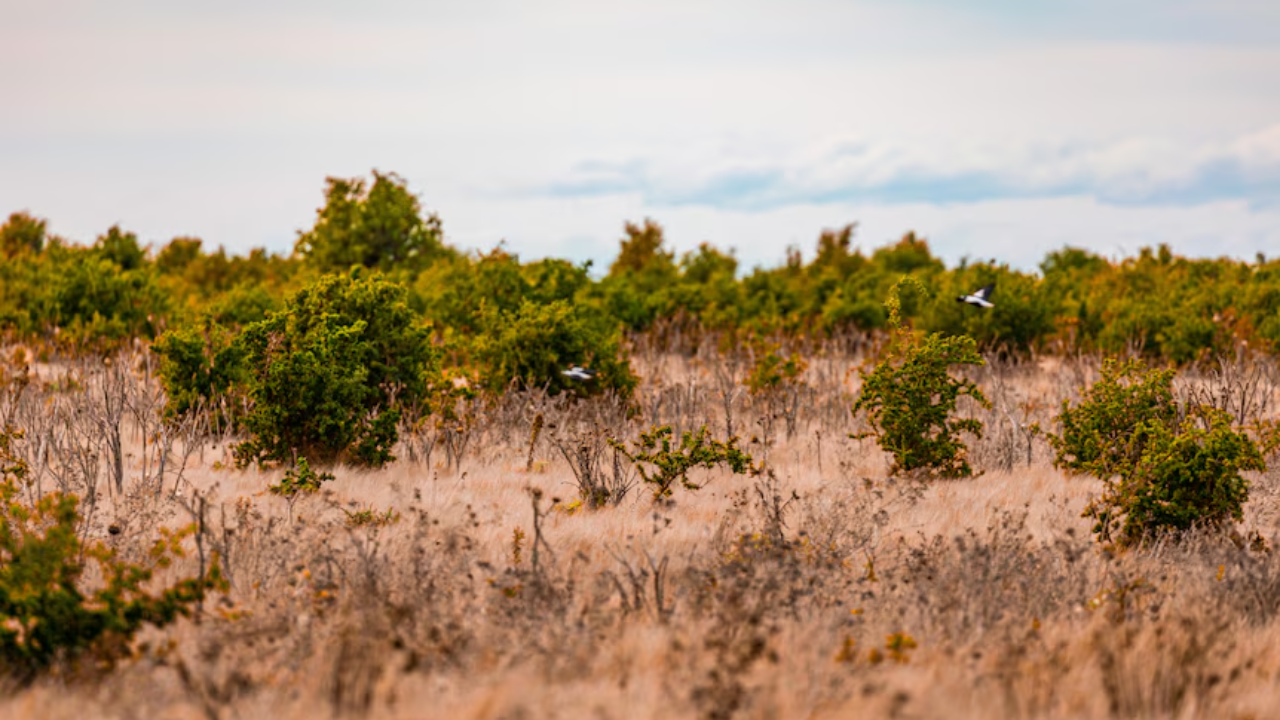
ABC News reported that Barrett bought his Wyndham Vale property in 1981, when it was zoned for rural use. In 2010, changes to Victorian planning provisions placed public acquisition overlays across that property and an adjoining property he also owned, signalling the government's intention to acquire parts of the land. The plan included a regional rail link, a ring road, and the Western Grasslands Reserve, an environmental project designed to protect endangered native grassland in Melbourne's west. In June 2021, Wyndham City Council refused a development application Barrett had made because of these overlays, though it later approved a different proposal that avoided the affected areas.
Barrett's compensation claim and the government's initial $0 offer
Following the planning refusal, Barrett lodged a compensation claim with Transport for Victoria, the government authority responsible. Justice Claire Harris, who presided over the case, found that the authority did not respond to Barrett's claim within the stipulated time period. In 2023, Barrett took the matter to the Supreme Court of Victoria, seeking more than $31 million in financial losses linked to his land being reserved for public use. Transport for Victoria's formal response did not admit that Barrett had suffered any financial loss at all, and the authority made what Justice Harris said was a "$0 offer for financial loss and $0 offer for professional expenses."
How Transport for Victoria's position changed over time
By March 2024, Transport for Victoria had amended its position to include an admission that the planning refusal was sufficient to trigger a prima facie right to compensation, though Justice Harris noted the authority still made no offer of compensation at that time. After Barrett revised his claim down to just over $28 million in March 2025, Transport for Victoria acknowledged he had suffered a financial loss as a "natural, direct and reasonable consequence" of his land being reserved for a public purpose. The authority then made an amended offer of $18,650,000 for financial loss, plus $75,000 in expenses.
The court's $27.9 million ruling
When the case went to trial, Justice Harris said it was limited to determining the appropriate amount of compensation, since both parties agreed that without the public acquisition, one of Barrett's properties would have been moved within the urban growth boundary in 2010, while the other would have remained largely outside it. The parties disagreed on other points, including a claim from Transport for Victoria that some of Barrett's losses stemmed from his failure to obtain a cultural heritage management plan rather than the grassland reservation itself. Justice Harris's judgment came close to Barrett's claim, determining he had suffered a $27,925,000 loss because one of his properties was reserved for public use, with expenses for both parties already agreed and paid.