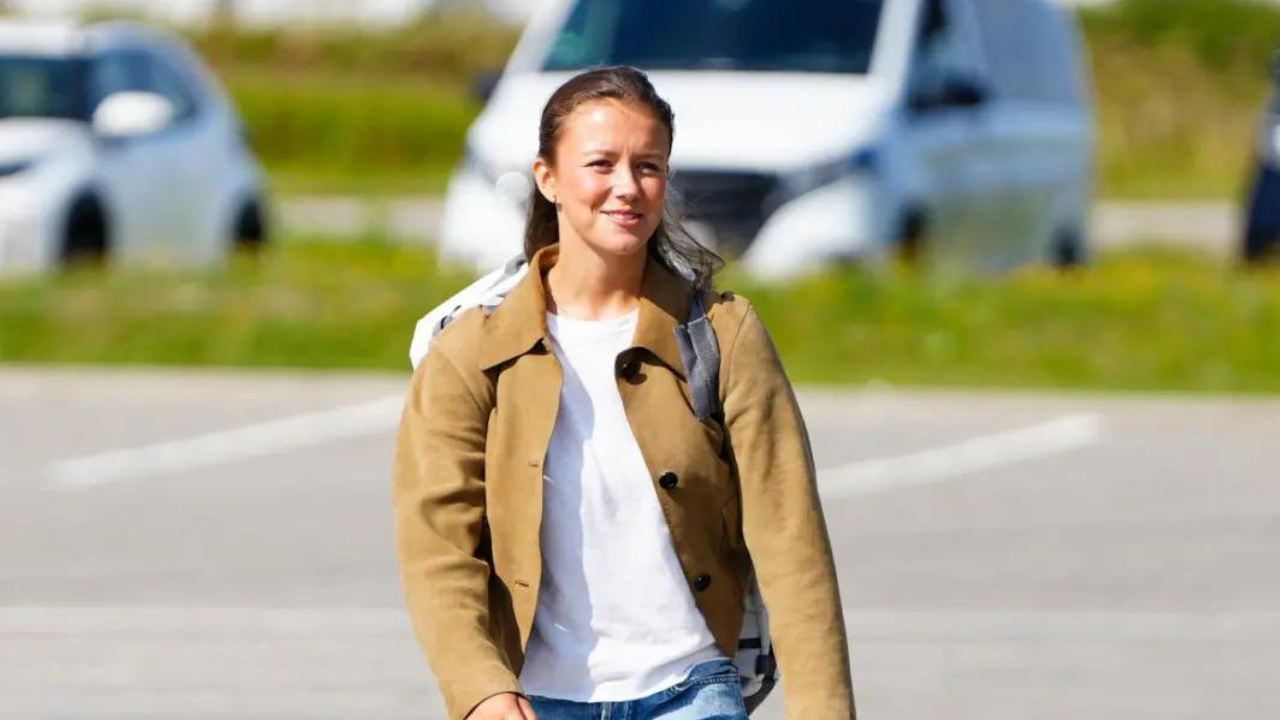
Princess Isabella of Denmark has officially begun her military service, becoming part of the first intake under the country's newly expanded 11-month conscription programme. The 19-year-old daughter of King Frederik X and Queen Mary reported for duty at the Guard Hussar Regiment in Slagelse on 3 August 2026, shortly after graduating from secondary school. Her enlistment comes as Denmark strengthens its armed forces in response to changing security dynamics across Europe and the Arctic. Unlike most recruits, Isabella has declined military pay and allowances. Her decision places her among the first group serving under Denmark's reformed national service system, which now includes women and significantly longer training.
Get breaking news anytime, anywhere. Download the TOI app now!

Why Princess Isabella joined the military
Military service has long been part of the Danish royal family's tradition of public service. Isabella follows in the footsteps of her older brother, Crown Prince Christian, who completed military training with the Guard Hussar Regiment before continuing officer education. Earlier this year, the Danish Royal House announced that she would begin her service after completing her studies, making her part of the first intake under the country's expanded national service programme.
Denmark's new conscription programme explained
Denmark introduced sweeping reforms to its military service system in 2026 as part of a broader defence agreement. The duration of compulsory service increased from four months to 11 months, with recruits completing five months of basic military training followed by six months of operational service. Women are now included in the expanded conscription system alongside men, and the government plans to gradually increase annual military intake from around 5,000 recruits to 7,500 by 2033.
Why Denmark is strengthening its armed forces
The reforms come amid a rapidly evolving security environment in Europe following the outbreak of the Russia-Ukraine war in 2022 and growing strategic competition in the Arctic. As a NATO member, Denmark has committed to increasing defence spending, strengthening military readiness and modernising its armed forces. The government has also expanded training programmes, including specialist roles involving drones and other advanced technologies, to better prepare the military for future security challenges.
Princess Isabella will serve with the Guard Hussar Regiment
Princess Isabella has been assigned to the Guard Hussar Regiment, one of Denmark's oldest and most respected military units. Based in Slagelse, the regiment combines modern operational responsibilities with ceremonial duties connected to the Danish monarchy. Like every other recruit, Isabella will follow the same training schedule, daily routines and military requirements throughout her service, living and training alongside fellow conscripts.
Why she decline military pay
Although Danish conscripts normally receive a monthly salary, accommodation, transport and other allowances during their service, Princess Isabella has chosen not to accept any military pay. The decision mirrors the approach taken by Crown Prince Christian during his own service and has been widely viewed in Denmark as a reflection of the royal family's emphasis on public duty rather than personal financial benefit.
Greenland's growing role in Denmark's defence strategy
One of the most notable features of Denmark's revised conscription programme is the deployment of conscripts to Greenland for the first time. Selected recruits will temporarily replace contract soldiers carrying out operational duties on the Arctic island, reflecting Greenland's increasing strategic importance. Denmark has placed greater emphasis on Arctic security in recent years as geopolitical interest in the region continues to grow.
Part of a wider European trend
Denmark is among several European countries strengthening their armed forces in response to evolving regional security challenges. Nations including Sweden, Norway and Finland continue to maintain compulsory military service, while governments across Europe have increased defence spending, expanded recruitment and modernised military capabilities to improve preparedness.
Princess Isabella's decision has drawn international attention as it comes at a pivotal moment for Denmark's armed forces. Her enlistment coincides with the country's expanded conscription programme, which is bringing more young people, including women, into military service amid growing security concerns across Europe. As she begins 11 months of training, Isabella's service highlights the royal family's participation in national institutions and reflects Denmark's broader effort to strengthen its defence readiness.