
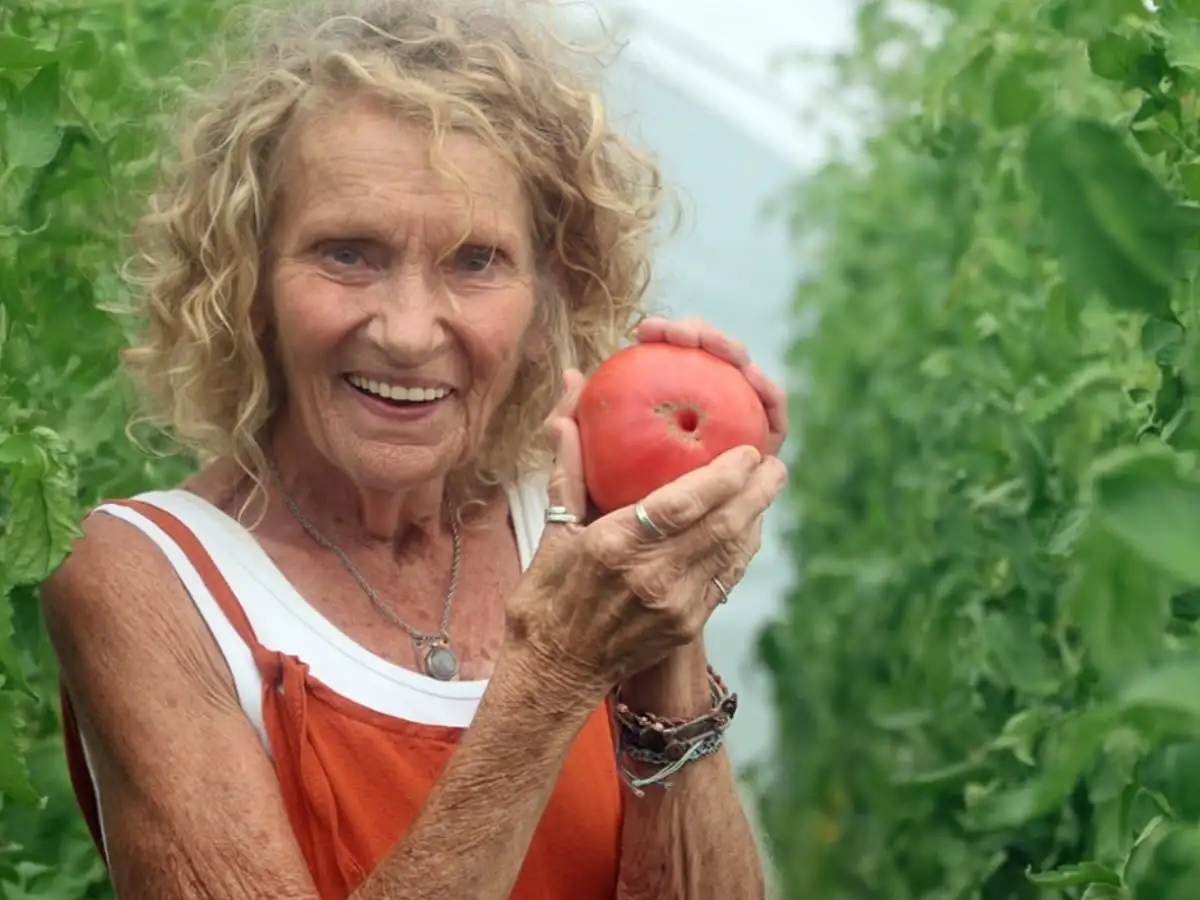
In Staunton, Virginia, a gardener known as the "Tomato Lady" has become a local fixture. Her name is Peg Davis, and for nearly 50 years, she has kept up a single, quiet commitment: saving a tomato variety that would otherwise have disappeared. In the mid-1970s, a ninth-grader in her agriculture class handed her a small packet containing only four tomato seeds. The seeds had belonged to the student's grandparents, who had grown the variety throughout their lives in Pennsylvania before they died; the student's own parents weren't interested in gardening, so rather than let the variety vanish with no one left to grow it, she gave the seeds to her teacher instead.
That one seemingly innocuous gesture by a teen in not letting a plant fade away reveals much larger, much more threatening issues. Decades of scientific evidence indicate that crop diversity around the world is being lost in real time, and some varieties are actively held and conserved by just this type of grassroots-saving practice. A 2021 paper by Colin Khoury and 14 co-authors, "Crop genetic erosion: understanding and responding to loss of crop diversity," published in the journal New Phytologist, documents this trend in detail. This isn't just a story about an "old family tomato." It's a story about the fact that once genetic material is gone, it's gone.












