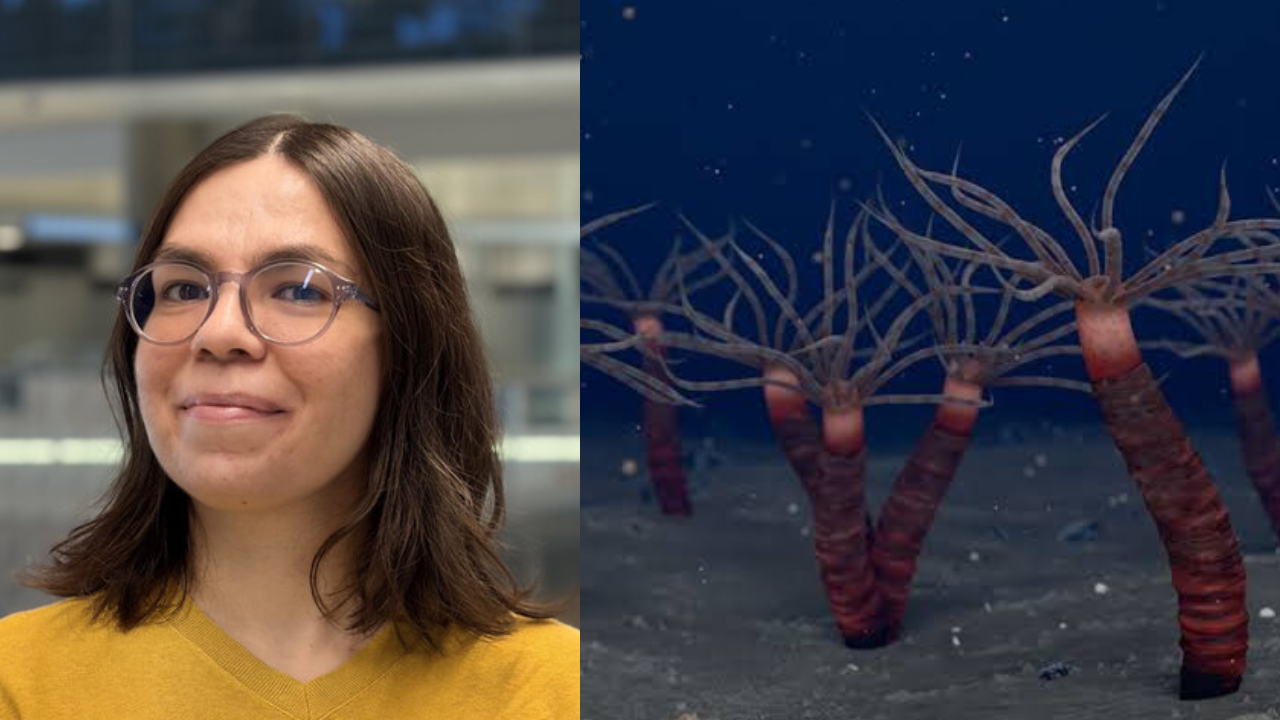
Greta Ramirez-Guerrero was studying fragments of ancient life that had survived in Quebec rock for roughly 450 million years when she encountered an unusual problem: the animal she was examining had almost nothing that should have fossilised well. Paleocanna tentaculum was a soft-bodied relative of modern jellyfish, shaped more like a narrow tube than the drifting creatures familiar from today's seas. Yet dozens of its delicate remains had endured in limestone from the Ordovician period. Ramirez-Guerrero, a PhD candidate at the Université de Montréal, led the study that pieced together what the fossils represented.
Get breaking news anytime, anywhere. Download the TOI app now!