Get all your news in one place.
100’s of premium titles.
One app.
Start reading
The Times of India
The Times of India
Lifestyle
TOI Lifestyle Desk | etimes.in

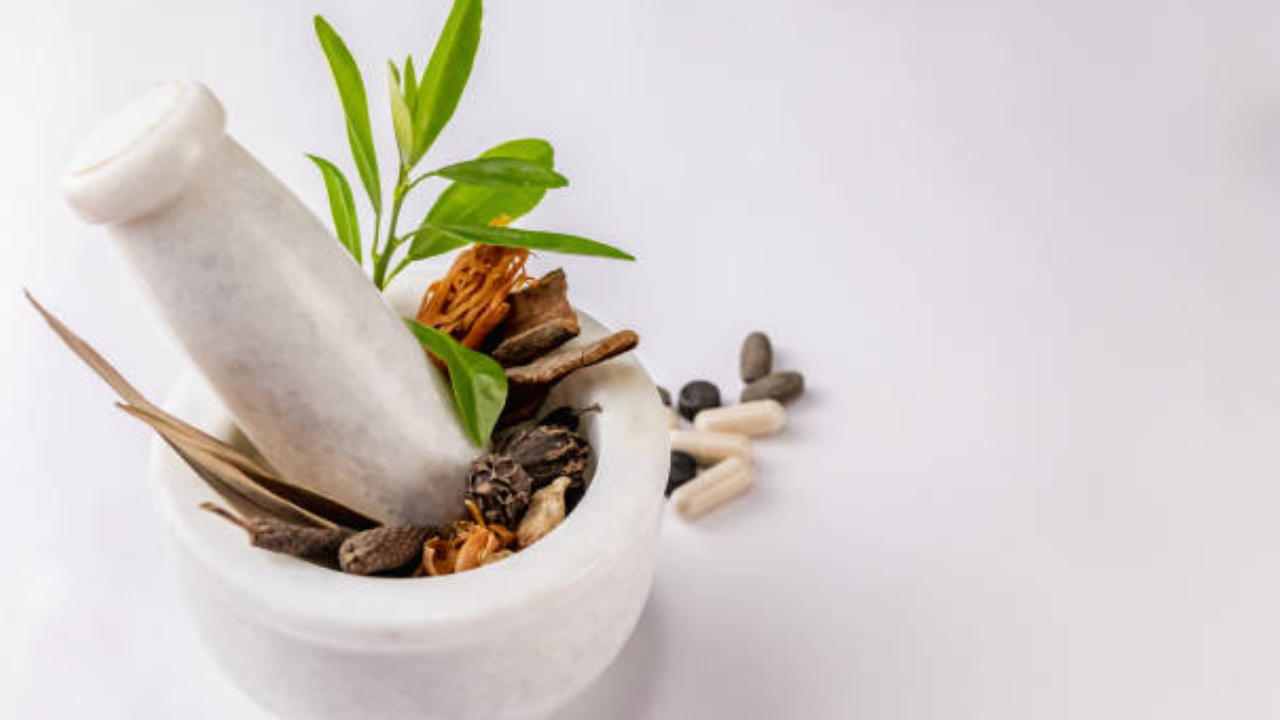
Medicines in Markandeya Puran that are believed to have magical healing properties

The Markandeya Purana, one of the eighteen major Puranas in Hinduism, contains various references to medicines and herbs believed to possess magical healing properties. These references are primarily found in the context of ancient mythological narratives and spiritual teachings, to use them as medicines one must consult an expert or a health professional. Here are a few examples of medicines mentioned in the Markandeya Purana:

Harad

Associated with Mata Shailaputri, Harad is a very common Indian herb. Harad, also known as Terminalia chebula or Haritaki, is a revered Indian medicinal herb known for its numerous health benefits. Rich in antioxidants, vitamins, and minerals, Harad supports digestive health by relieving constipation, promoting bowel regularity, and detoxifying the digestive system. It possesses anti-inflammatory and antibacterial properties, aiding in the treatment of various digestive disorders, including gastritis and ulcers.

Brahmi

Associated with the Brahmacharini form of the Goddess, Brahmi is another medicinal herb that is popularly used. Brahmi, scientifically known as Bacopa monnieri, is a revered Ayurvedic herb prized for its medicinal properties. It enhances cognitive function by improving memory, concentration, and learning ability. Rich in antioxidants, Brahmi protects brain cells from oxidative stress and reduces inflammation, supporting overall brain health.

Chandrasur

Associated with Chandraghanta form of the Goddess, this resembles coriander. Chandrasur, scientifically known as Achyranthes aspera, is a medicinal herb used in traditional medicine systems like Ayurveda. It possesses various health benefits, including anti-inflammatory, analgesic, and antioxidant properties. Chandrasur is used to alleviate pain and inflammation associated with conditions like arthritis and rheumatism. It also exhibits antimicrobial activity, making it useful in treating infections and promoting wound healing.

Petha or ash gourd

Associated with Mata Kushmanda, ash gourd is a very common vegetable in India. Ash gourd, scientifically known as Benincasa hispida, is a nutrient-rich vegetable with significant medicinal properties. It is low in calories and high in water content, making it an excellent hydrating food. Ash gourd is rich in vitamins, minerals, and antioxidants, supporting overall health and well-being. It aids in digestion, promotes weight loss, and regulates blood sugar levels, making it beneficial for individuals with diabetes.

Flaxseeds

Flaxseeds or alsi is associated with Mata Skandamata and has several health benefits. Flaxseeds, also known as linseeds, are nutrient-dense seeds with notable medicinal properties. They are rich in omega-3 fatty acids, fiber, and lignans, offering various health benefits. Flaxseeds support heart health by reducing cholesterol levels, blood pressure, and inflammation, lowering the risk of cardiovascular disease. They aid in digestion, promote regular bowel movements, and alleviate constipation due to their high fiber content.

Moiya

Considered to be as powerful as Mata Katyayani, Moiya is a native herb that believed to balance pitta and kapha dosha. It is also known as Machika. As per reports, the scientific name of Moiya is tamarix gallica.

Nagdamani

Also known as wormwood, this is associated with Mata Kalaratri. Wormwood, scientifically known as Artemisia absinthium, is a medicinal herb with diverse health benefits. It has been used in traditional medicine for centuries due to its potent antimicrobial, anti-inflammatory, and antioxidant properties. Wormwood is known to aid in digestive disorders, such as indigestion, bloating, and stomach pain, by stimulating bile production and improving gastrointestinal motility.

Tulsi (Holy Basil)

Associated with Mata Mahagauri, Tulsi is revered as a sacred plant in Hinduism and is believed to possess various medicinal properties. While not specifically mentioned in the Markandeya Purana, Tulsi is associated with spiritual purification, divine protection, and healing. It is often used in Ayurvedic remedies for its antibacterial, antiviral, and immune-enhancing properties, promoting overall health and well-being.

Shatavari

Mata Sidhhidatri is the ninth form of Goddess worshipped during Navaratri. Shatavari herb is considered to be as powerful as her. Shatavari, scientifically known as Asparagus racemosus, is a revered medicinal herb in Ayurveda with profound health benefits. It is renowned for its adaptogenic properties, supporting the body's ability to cope with stress and promoting overall well-being. Shatavari is a potent rejuvenating herb for the female reproductive system, balancing hormones, supporting menstrual health, and easing symptoms of menopause.

Sign up to read this article
Read news from 100’s of titles, curated specifically for you.
Already a member? Sign in here
Related Stories
Top stories on inkl right now
One subscription that gives you access to news from hundreds of sites
Already a member? Sign in here
Our Picks
Fourteen days free
Download the app
One app. One membership.
100+ trusted global sources.