
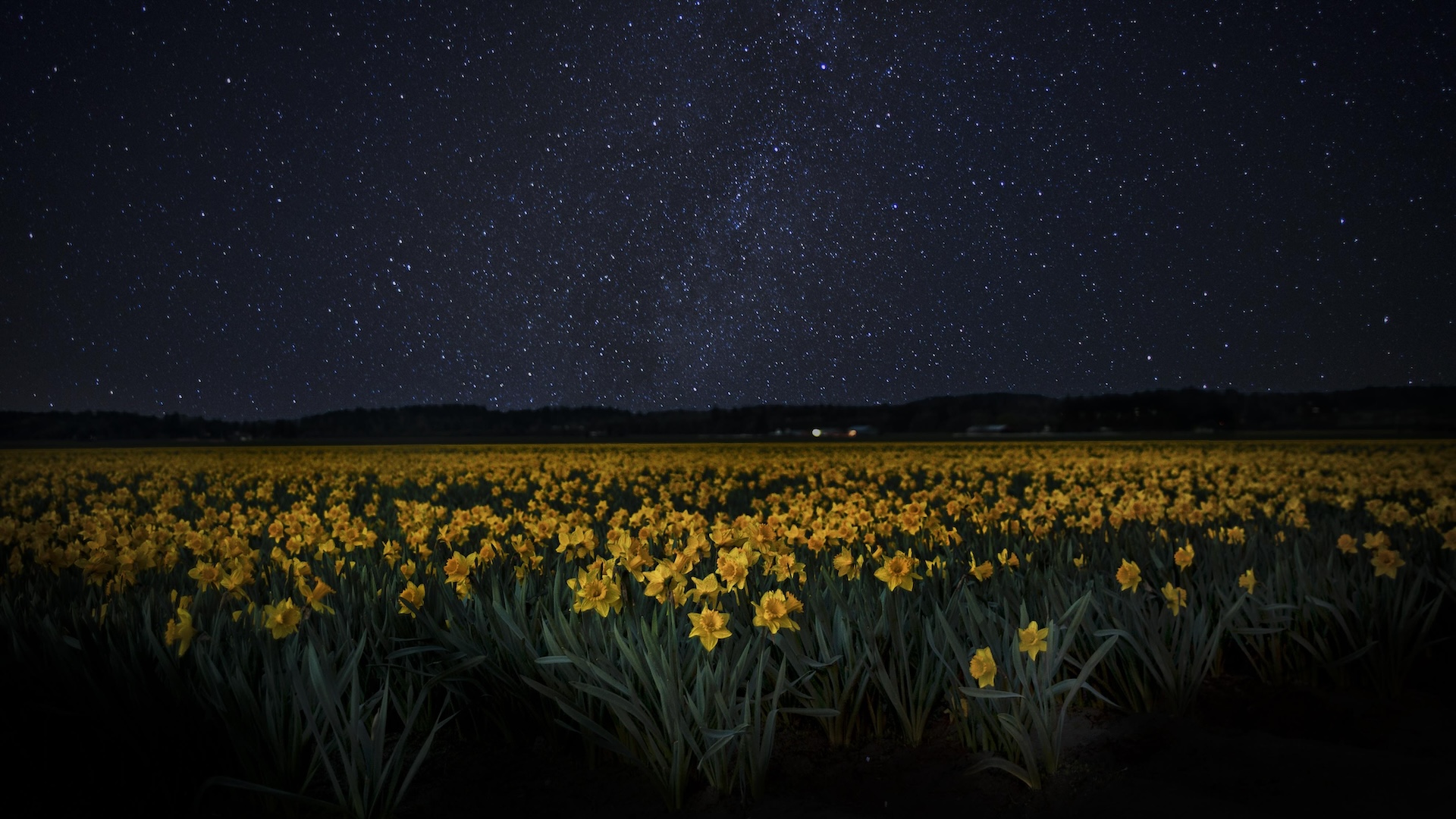
Why do stargazers get so excited about a new moon? At 10:02 p.m. EDT on Monday, May 26, our natural satellite will slip between Earth and the sun and completely disappear from view. As it does, it will leave the night skies free from moonlight, which serious stargazers view as light pollution.
In the week before the new moon, and for a couple of nights after, the night sky gets as dark as possible. That makes the period from May 20 to May 30 the best time of the month to get outside and look up. Here's what to see from mid-latitudes of the Northern Hemisphere, including the continental U.S., at about 10 p.m. (unless otherwise stated).