
Get all your news in one place.
100’s of premium titles.
One app.
Start reading
Times Pets
Times Pets
Anushka Tripathi

Masters Of Stealth: 5 Animals That Have Perfected The Art Of Theft

In the animal kingdom, survival is not always about strength or speed. Sometimes, it is about intelligence, timing, and the courage to take what someone else has already earned. Across forests, oceans, cities, and skies, certain animals have evolved into expert thieves. They do not always hunt. They do not always fight. They observe, calculate, distract, and steal. Their actions may look mischievous or funny to humans, but behind every stolen meal is a lesson in survival, adaptation, and raw instinct.

Raccoons: The Nighttime Pickpockets

raccoon

Raccoons are often described as masked bandits, and the name could not be more accurate. With their nimble fingers, sharp memory, and fearless curiosity, raccoons are among the most skilled thieves in the wild. They can open lids, unzip bags, unlatch cages, and even remember complex sequences to access food.

Raccoons thrive in human environments because humans unknowingly provide endless opportunities. Dustbins, campsites, kitchens, and pet bowls become treasure chests for these clever animals. They wait patiently for darkness, observe human routines, and strike when everything is quiet.

What makes raccoons exceptional thieves is not just their ability to steal but their ability to learn. Once a raccoon figures out how to access food, it remembers it for life. This intelligence is not playful mischief. It is survival in a world increasingly dominated by humans.

Seagulls: The Bold Daylight Robbers

seagulls

Seagulls steal without shame. They do not wait for darkness. They do not hide. They steal in broad daylight, often directly from human hands. A sandwich, a packet of fries, or a piece of bread is enough to trigger a calculated aerial attack. Seagulls watch humans closely. They learn patterns. They identify the distracted, the slow, and the careless. Then they swoop down with precision, snatching food and disappearing before the victim can react.

In the wild, seagulls steal from other birds as well. Eggs, fish, and prey are frequently taken mid-hunt. This behavior is not cruelty. It is efficiency. In harsh coastal environments, stealing is often safer and faster than hunting from scratch. Their confidence often makes people angry, but it is also what has helped seagulls thrive in rapidly changing environments.

Octopuses: The Underwater Masterminds

octopus

In the silent world beneath the waves, octopuses are legendary thieves. Unlike many animals on this list, octopuses steal not just food but tools, shelter, and objects. They are known to steal shells, rocks, bottles, and even equipment from divers.

An octopus does not rush. It observes. It waits. It plans. With eight flexible arms and an extraordinary brain, it can manipulate objects with precision that rivals human hands. Some octopuses have been observed stealing from fishing traps or sneaking into aquariums at night to raid neighboring tanks.

What makes octopus theft remarkable is the intention. This is not instinct alone. It is problem-solving. It is curiosity mixed with strategy. The octopus understands cause and effect, opportunity and risk. In a world where intelligence is often associated with mammals, the octopus quietly challenges that belief.

Hyenas: The Opportunistic Strategists

Hyenas are often unfairly portrayed as cowardly scavengers. In reality, they are powerful hunters and highly intelligent animals. But they are also expert thieves. Hyenas regularly steal kills from lions, leopards, and cheetahs using teamwork and timing. A group of hyenas will observe a predator from a distance, waiting for exhaustion to set in. When the moment is right, they move in together, using numbers, noise, and intimidation to force the predator to retreat.

Stealing a kill is risky. A wrong move can mean serious injury or death. But hyenas understand risk and reward. Their strong jaws allow them to consume almost every part of a carcass, making each successful theft extremely valuable. Their theft is not laziness. It is a strategy. It is survival in one of the most competitive ecosystems on Earth.

Monkeys: The Intelligent Opportunists

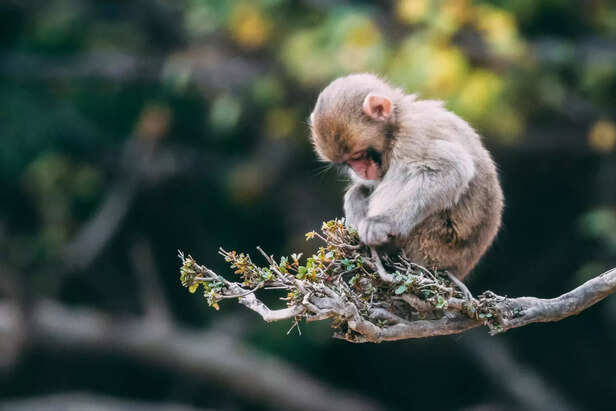
monkey

Monkeys steal with intention and understanding. In temples, cities, forests, and tourist spots, monkeys have learned how humans think. They know what humans value. Food, glasses, phones, wallets, bags.

Some monkeys steal objects not to eat them but to trade them. They have been observed returning stolen items in exchange for food. This behavior shows a level of cognitive ability that blurs the line between animal instinct and reasoning.

Monkeys watch human behavior closely. They know who carries food. They know who is afraid. They know when to strike. Their theft is fast, targeted, and often successful.

While humans often find this behavior frustrating, it reflects the intelligence and adaptability of animals forced to coexist in shrinking habitats.

Why Theft Works In The Wild

In nature, energy is precious. Hunting takes time, strength, and risk. Stealing reduces that cost. If an animal can get a meal without fighting or chasing, it increases its chances of survival.

Theft also teaches animals about timing, awareness, and social behavior. Many expert thieves rely on observation more than aggression. They read body language, predict reactions, and choose the safest moment to act.

The Emotional Side Of Survival

While we often laugh at animals stealing food, there is a deeper reality behind these acts. Many animals turn to theft because their natural habitats are disappearing. Food sources are shrinking. Competition is increasing. Stealing is not mischief. It is an adaptation. It is intelligence responding to pressure. It is an animal choosing survival over hunger.

Human Reactions And Misunderstandings

Humans often label these animals as pests, troublemakers, or nuisances. But these labels ignore the role humans play in shaping animal behavior. Open trash, food waste, urban expansion, and tourism create opportunities for theft. Animals simply respond.

Punishing animals for adapting to human environments reflects a lack of understanding rather than a solution.

Intelligence Comes In Many Forms

The expert thieves of the animal kingdom remind us that intelligence is not always about building tools or speaking languages. Sometimes, intelligence is knowing when to wait, when to strike, and when to disappear. These animals do not steal for fun. They steal to live. Their methods are shaped by evolution, environment, and necessity. Every stolen sandwich, shell, or kill tells a story of survival. It shows how animals learn, adapt, and innovate in a world that constantly changes. Instead of seeing these animals as villains, we can choose to see them as teachers. They show us resilience, awareness, and the power of strategy over strength. The expert thieves of the animal kingdom are not criminals. They are survivors, navigating a world that demands intelligence as much as courage.

Celebrate the bond with your pets, explore Health & Nutrition, discover Breeds, master Training Tips, Behavior Decoder, and set out on exciting Travel Tails with Times Pets!

Sign up to read this article
Read news from 100’s of titles, curated specifically for you.
Already a member? Sign in here
Related Stories
Top stories on inkl right now
Our Picks
Fourteen days free
Download the app
One app. One membership.
100+ trusted global sources.