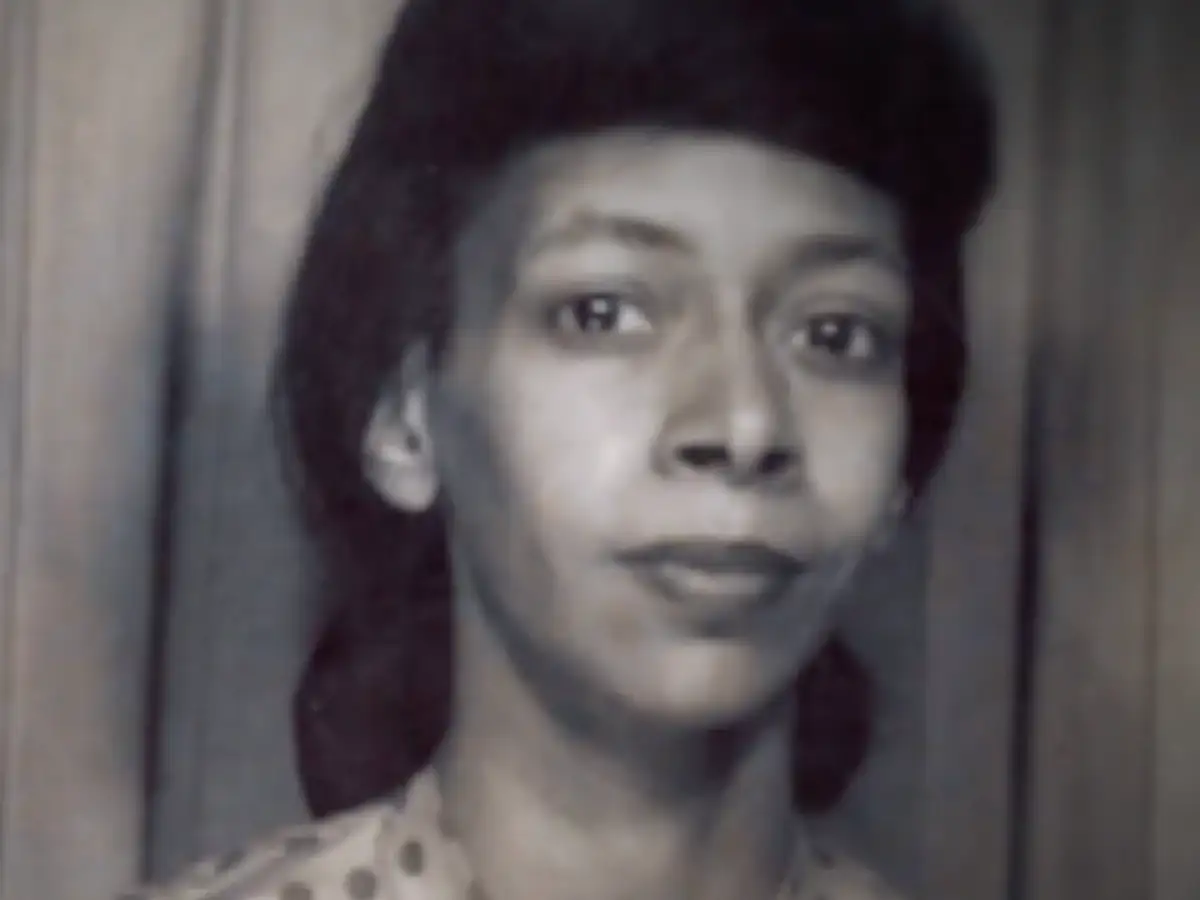
One night in a small apartment in Philadelphia, there were 12 VCRs recording, all on the same set of flickering channels. It's what the librarian Marion Stokes’ life looked like; she started taping American television in November of 1979 and continued until her death in December of 2012. By the end, she had more than 70,000 tapes. The collection was hers and her family's alone for decades; only after her death did her son donate it to the Internet Archive, the nonprofit digital library, which has since taken ownership of the tapes and is working, tape by tape, to digitize them for free public access, a process still years from complete. Her story is a useful check on the assumption that whatever happens online, or on air, is automatically preserved.
The woman who didn't believe in the off switch
Stokes was no hoarder by accident. As a former civil rights activist and self-taught "media critic," she felt that television news was being shaped, edited, and even "obscured" in ways that she had never witnessed. Her son, Michael Metelits, put it simply in the documentary Recorder: The Marion Stokes Project (directed by Matt Wolf, premiered at the Tribeca Film Festival): "She hit record and never stopped." Nostalgia was not the driving force behind her archive. She recorded because she didn't trust the people keeping the official record.
The irony of it all
There's a not-so-sweet part. We are in the most recorded era of any other time; everything from a meal up to a meltdown to a protest can be recorded on mobile phones within arm's reach, but we're still not doing a great job at keeping the important stuff around. Tweets get deleted, livestreams disappear, platforms shut down, and with them all of their archives. However, at that time, Stokes did not have the cloud, algorithms, or infinite storage, and yet she managed to outlast most of what got broadcast around her. Her tapes are still available, while many apps that promise to “save forever” have since disappeared.