
Get all your news in one place.
100’s of premium titles.
One app.
Start reading
Frugal Gardening
Frugal Gardening
Brandon Marcus

March Garden Pests That Hide Underground

Image source: Shutterstock.com

Spring sunlight sparks excitement above ground, but the real action begins under the soil. While gardeners celebrate the return of green shoots and fresh planting plans, an entire underground world starts stirring. Tiny creatures chew roots, tunnel through soil, and feast on tender seedlings before those plants even stretch toward daylight. March marks the moment when warming soil temperatures wake up pests that spent winter hiding below the frost line. They move quietly, work quickly, and leave behind frustrating damage that often appears out of nowhere.

A healthy garden depends on understanding what lurks beneath the surface. Some underground pests munch on roots, others slice through seedlings, and a few tunnel through soil like tiny construction crews with destructive habits. Spotting their signs early can mean the difference between thriving plants and a frustrating spring.

1. The Grub Army Waiting Beneath the Soil

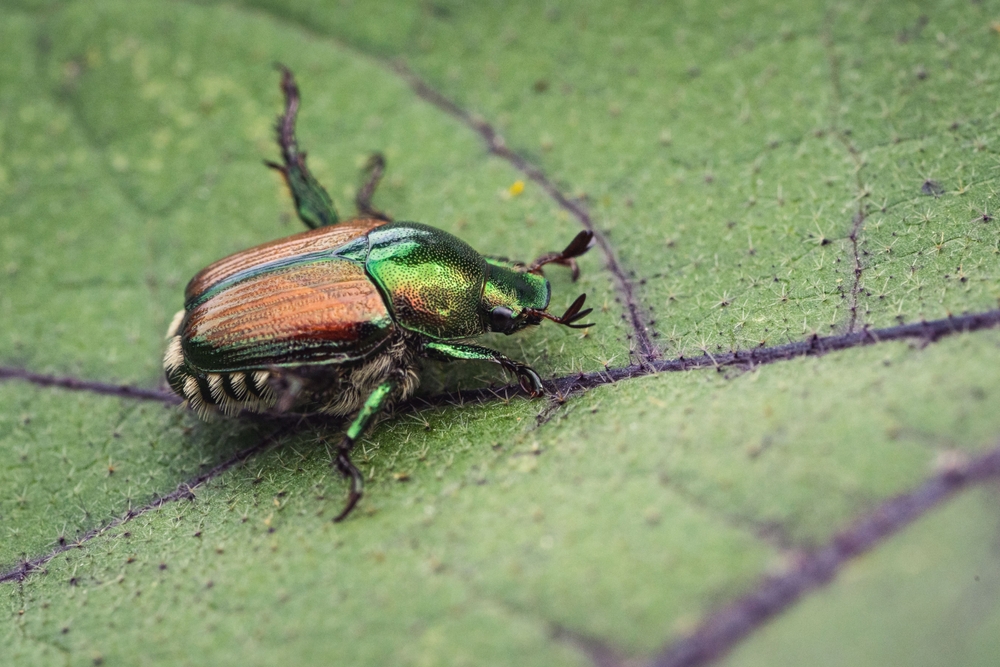
Few underground pests create more frustration than white grubs. These chunky, curved larvae belong to beetles such as the infamous Japanese beetle and the common June beetle. Adult beetles lay eggs in soil during warm months, and those eggs hatch into root-chewing larvae that remain underground for much of their life cycle. By early spring, these grubs begin feeding again as the soil warms. They target grassroots, vegetable roots, and tender young plants that struggle to fight back. A garden bed filled with grubs can suddenly produce wilting plants that collapse even with plenty of water.

Gardeners often notice irregular brown patches in lawns or plants that pull out of the soil with almost no resistance. That loose root system signals heavy grub feeding below the surface. Birds and raccoons sometimes dig into lawns searching for these larvae, which creates another messy clue. March provides an excellent moment to inspect garden beds before planting season kicks into full gear. Turning over small sections of soil can reveal the pale, C-shaped larvae hiding just below the surface.

Several simple strategies help control grub populations without turning the garden into a chemical battlefield. Beneficial nematodes offer a powerful natural solution because these microscopic organisms infect and kill grub larvae in soil. Products containing the bacteria species Bacillus thuringiensis also target certain larvae while leaving plants unharmed. Healthy soil packed with organic matter encourages birds and beneficial insects that naturally hunt grubs. A little detective work in March can prevent an army of beetle larvae from chewing through spring gardens.

2. Cutworms: The Midnight Assassins of the Seedling World

Seedlings represent the most vulnerable stage in a plant’s life, and cutworms know it. These caterpillar larvae from several species of night-flying moths spend daylight hours hidden in the soil. As evening arrives, they crawl up to the surface and chew straight through young plant stems near ground level. Gardeners often wake up to find perfectly healthy seedlings lying flat on the soil like tiny trees after a windstorm. Cutworms earned their name for that brutal cutting habit.

The larvae typically hide within the top few inches of soil and curl into tight coils when disturbed. Their colors range from gray to brown or black, which helps them blend perfectly with garden dirt. Early spring planting often coincides with peak cutworm activity because warming temperatures wake these larvae from winter dormancy. Vegetable crops like tomatoes, peppers, cabbage, and lettuce frequently fall victim to these nighttime attackers. Even flower seedlings can suffer sudden losses when cutworms patrol the garden.

Prevention offers the best defense against these pests. Gardeners often place simple collars around seedlings using cardboard tubes or strips of foil that extend slightly into the soil. These barriers prevent cutworms from reaching plant stems. Turning the soil in early spring can expose larvae to birds and other predators that gladly gobble them up. Removing weeds and plant debris also reduces hiding spots for these hungry caterpillars. A few quick preventative steps in March can protect an entire season of young plants from cutworm chaos.

Image source: Shutterstock.com

3. Wireworms: The Slow, Silent Root Destroyers

Wireworms rarely earn the spotlight, yet they quietly damage gardens across many regions. These thin, shiny larvae belong to click beetles, including species such as the Eastern eyed click beetle. Their bodies look stiff and wire-like, which explains their fitting name. Unlike some pests that complete their life cycle quickly, wireworms can live in soil for several years while feeding on roots, tubers, and germinating seeds. That long lifespan allows them to cause repeated damage season after season.

Gardeners usually notice poor germination rates when wireworms infest the soil. Seeds sprout weakly or fail entirely because larvae chew through them underground. Root vegetables like carrots, potatoes, and radishes also suffer from small holes and tunnels carved by these pests. Wireworms thrive in moist soil and grassy areas, which means newly converted garden plots often experience the worst infestations. When grassland turns into a vegetable bed, hidden wireworms suddenly discover a buffet of tasty crops.

Managing wireworms requires patience and persistence. Gardeners often place bait traps using chunks of potato or carrot buried a few inches deep in the soil. After several days, those bait pieces attract wireworms, which can then be removed along with the trap. Crop rotation helps reduce populations because certain plants do not appeal to these larvae. Improving soil drainage also discourages wireworms that prefer damp environments. Early awareness in March allows gardeners to tackle the problem before planting season ramps up.

4. Mole Crickets: Tiny Bulldozers Beneath the Garden

Some underground pests do not simply chew roots—they reshape the entire soil structure. Mole crickets fit that description perfectly. These unusual insects possess powerful front legs designed for digging, which allows them to tunnel through soil with surprising speed. Species such as the Southern mole cricket carve extensive underground pathways while searching for roots, insects, and organic matter to eat.

Their tunneling behavior creates raised ridges and loose soil that disrupt plant roots. Young seedlings struggle to establish themselves in soil that shifts constantly beneath them. Lawns often display winding surface tunnels that look like miniature dirt highways running just below the grass. Mole crickets also chew through roots, which adds another layer of damage beyond their tunneling activity.

Gardeners who suspect mole crickets can perform a simple test using soapy water. Pouring a mixture of mild dish soap and water over a small patch of soil irritates the insects and forces them to surface quickly. Once identified, several control methods can reduce their numbers. Beneficial nematodes target mole cricket larvae living underground. Encouraging natural predators like birds also helps keep populations in check. Strong soil health and balanced ecosystems often provide the best long-term defense against these underground diggers.

The Underground Battle Plan for a Strong Spring Garden

March marks the opening move in a season-long chess match between gardeners and soil pests. The smartest approach focuses on observation, prevention, and healthy soil rather than panic. Regularly turning soil during early spring exposes larvae to predators and disrupts their hiding places. Adding compost improves soil structure and encourages beneficial organisms that naturally control pest populations.

Gardeners can also rely on simple monitoring techniques to stay ahead of problems. Checking roots while preparing beds reveals early signs of grub activity. Using bait traps can uncover wireworms before planting begins. Collars around seedlings protect vulnerable stems from cutworms during the critical early weeks of growth. Each small action builds a stronger defense that prevents pests from gaining the upper hand.

Patience and curiosity remain powerful gardening tools. A thriving garden grows from understanding the ecosystem beneath the soil rather than simply reacting to damage above ground. Once gardeners learn the habits of underground pests, those pests lose much of their advantage. The soil becomes less mysterious and far more manageable.

What’s Moving Beneath the Soil in Your Garden?

March marks the moment when underground life wakes up and gets to work, and that includes plenty of pests that love fresh roots and tender seedlings. Grubs chew grass roots, cutworms slice young plants, wireworms tunnel through seeds, and mole crickets dig their own underground highways. A little awareness during early spring can prevent weeks of frustration once planting season begins.

Healthy soil, smart monitoring, and simple preventive steps give gardens a huge advantage against hidden pests. Digging around garden beds, inspecting roots, and watching for early warning signs can turn a potential infestation into a manageable problem. A few minutes of attention now can protect months of growing ahead.

What underground pests have shown up in your garden during early spring? Write down your experiences, strategies, or surprising discoveries in the comments.

You May Also Like…

The Cheapest Way to Build a Compost Bin

12 Of The Worst Garden Pests And How To Get Rid Of Them

March Garden Pests That Show Up Before You Notice the Damage

March Bugs That Target Tender New Leaves

Why Your Raised Beds Might Be Harboring Pests Right Now—Even in Freezing Temps

The post March Garden Pests That Hide Underground appeared first on Frugal Gardening.

Sign up to read this article
Read news from 100’s of titles, curated specifically for you.
Already a member? Sign in here
Related Stories
Top stories on inkl right now
One subscription that gives you access to news from hundreds of sites
Already a member? Sign in here
Our Picks
Fourteen days free
Download the app
One app. One membership.
100+ trusted global sources.







