
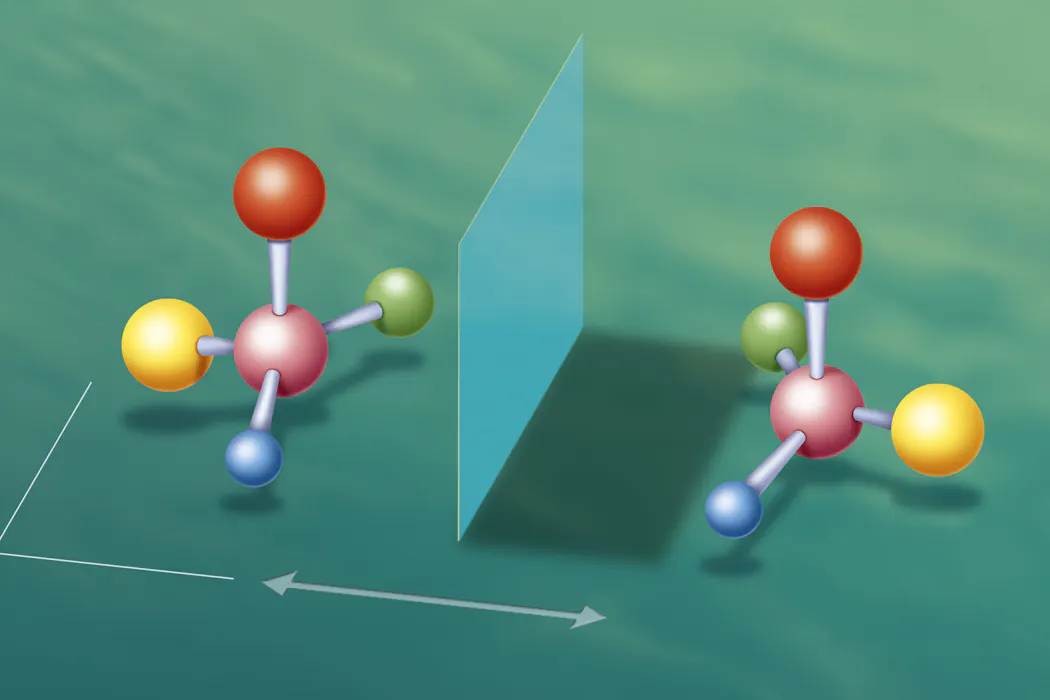
The effects a drug or chemical compound have on the body depend on how its atoms are arranged in space. Some compounds have a dark twin with the same molecular formula but different 3D structure – and this can have consequences for what they do or don’t do in the body.
The 2026 Nobel Prize in chemistry was awarded to two researchers who developed a chemical process allowing them to create only one of these two twins. Called asymmetric organic synthesis, this discovery meant that chemists developing pharmaceuticals could create one version or the other – for example, only the version of the molecule that benefits the body, not the version that can cause damage.














