
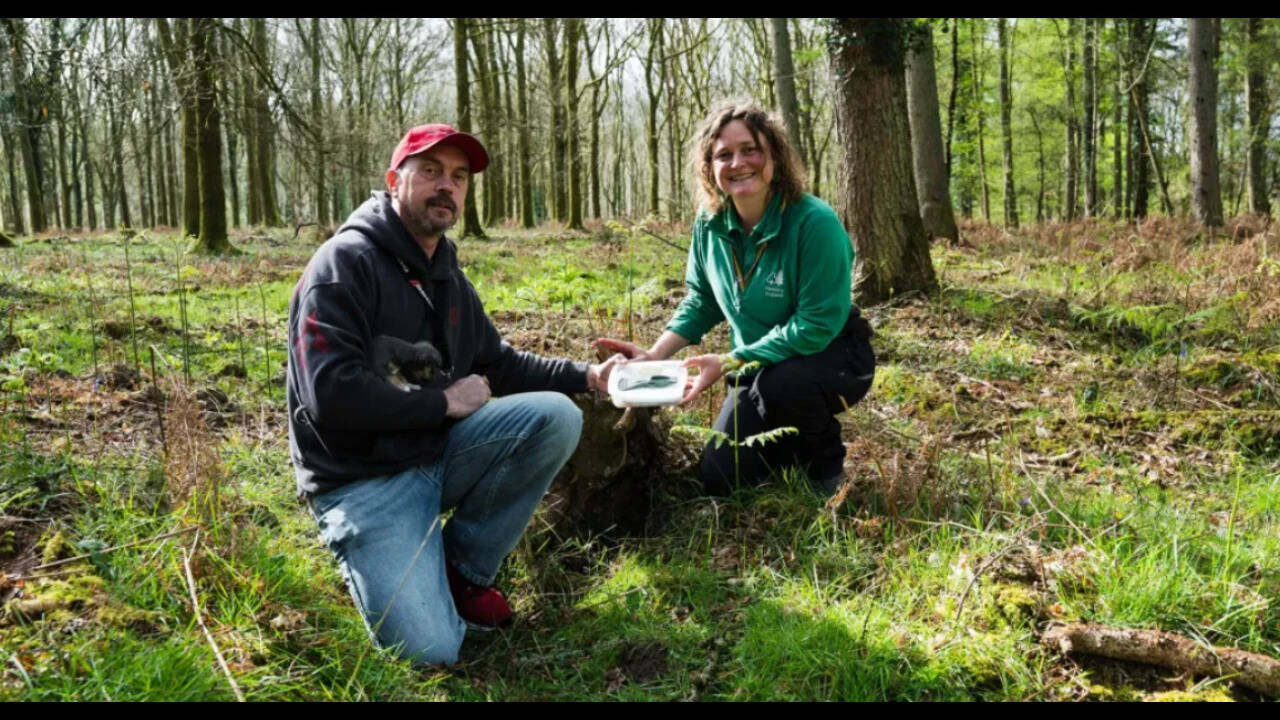
A routine walk through one of England’s ancient forests led to an extraordinary archaeological discovery when a man and his dog came across an axe head believed to be around 3,400 years old. What initially looked like an unremarkable object lying in the landscape was later identified as a relic from Britain’s Bronze Age, a period that transformed how prehistoric communities made tools, weapons and other objects. According to the BBC, researchers believe the axe dates from between 1400 B.C.E. and 1275 B.C.E. That places it within a crucial period of Britain’s prehistoric past, when communities were increasingly skilled at working with metal. The accidental discovery also demonstrates how ancient artefacts can remain concealed in familiar landscapes for thousands of years before resurfacing in the most unexpected circumstances. For archaeologists, the object offers a tangible connection to people who lived and worked in Britain more than three millennia ago. The discovery also offers archaeologists an opportunity to study how Bronze Age communities used, traded and deposited metal tools across Britain thousands of years ago.
Get breaking news anytime, anywhere. Download the TOI app now!