Spaceflight has a broad impact on the way our body functions — and that includes our reproductive systems. Indeed, to get a better idea of how future pregnancies and new generations born to humans beyond Earth will be affected, scientists need to examine how well our reproductive germ cells and stem cells respond to potentially harmful factors, like radiation and microgravity.
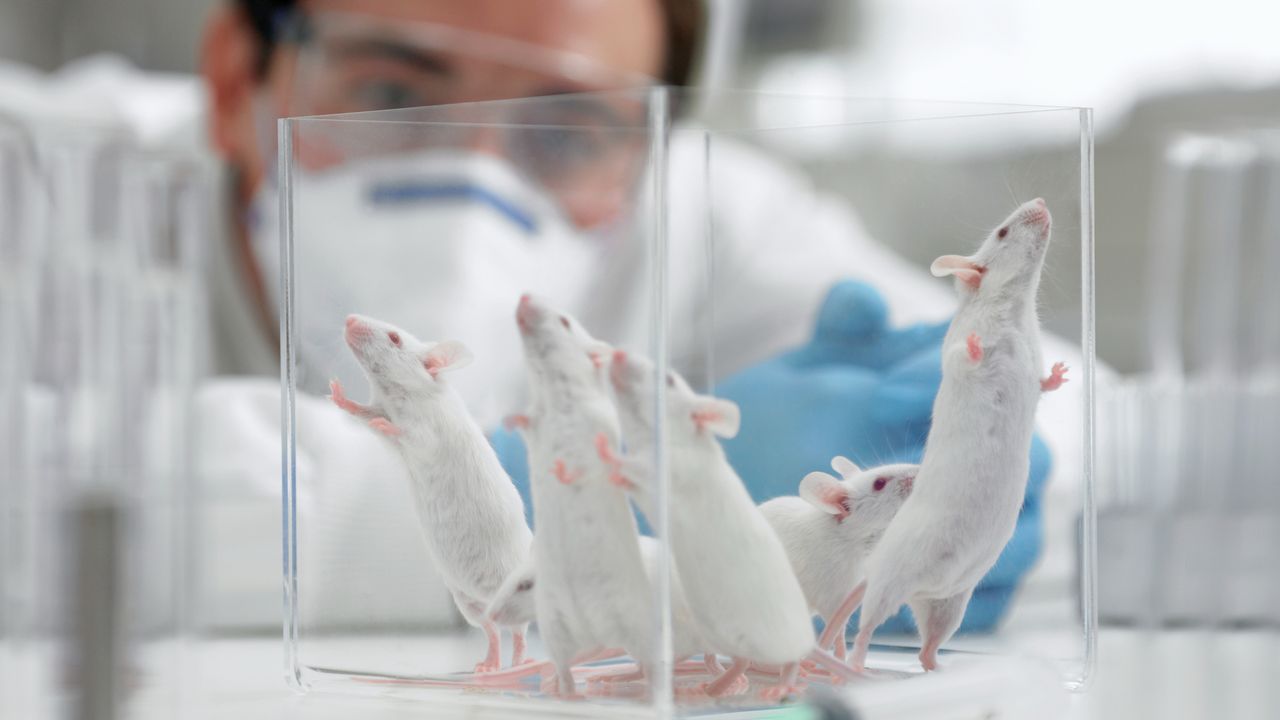
Researchers from Kyoto University in Japan did just this: They froze the spermatogonial stem cells of mice through a process called cryopreservation, then kept them on the International Space Station (ISS) for six months. Once back on Earth, researchers injected the same spermatogonial stem cells — which are cells located in the testes that play a crucial role in sperm production — back into the testes of mice. After a few months, following natural mating patterns, healthy mice babies were born with relatively normal gene expression.