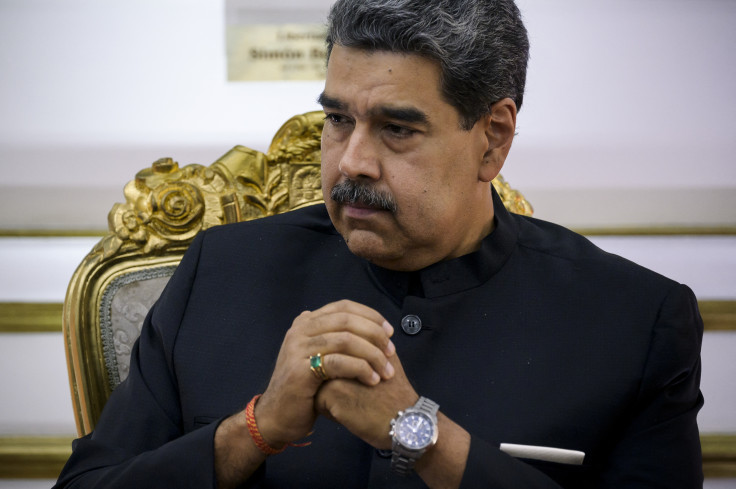
The lawyer of Venezuela's former authoritarian President, Nicolas Maduro, rejected reporting about him having anxiety issues while in prison following his capture at the hands of U.S. forces in January.
"I'm not there at night, but I wouldn't give it much credibility," Barry Pollack told press on Thursday. He was making reference to reports that Maduro complains about being mistreated from his small cell in the New York City prison he's being held in.
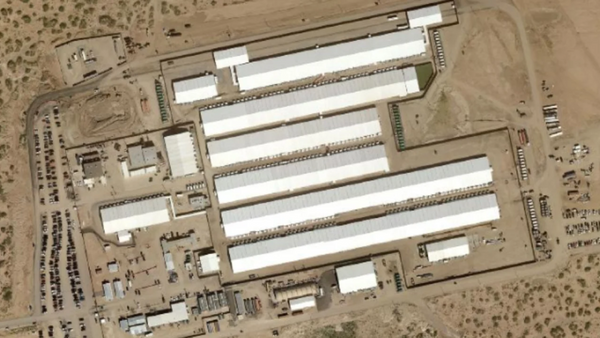
Spanish outlet ABC detailed that his cell at the Metropolitan Detention Center in Brooklyn has a size of two meters by three meters. It quoted Sam Mangel, a prison consultant who knows about the facility based on conversations with inmates, who claimed that "no one would like to spend a minute" there.
Maduro, the outlet added, is kept at a special housing unit, where he is in isolation. He is allowed out three times a week for an hour in shackles and escorted by two guards. There, he can shower, use the phone, access email or go out to a small outdoor patio.
Elsewhere, ABC said that the lawyer of another Venezuelan inmate who is being held close to Maduro said he has heard him call for help at night. "I am the President of Venezuela, tell my country I've been kidnapped. Tell my country we're being mistreated here," he has reportedly said.
Maduro and his wife, Cilia Flores, faced a new hearing on Thursday. There, judge Alvin Hellerstein rejected tossing the case over claims that he is being prevented from using Venezuelan state funds to pay for his defense.
Maduro's current team claimed this month that the U.S. prosecutor's office acknowledged that under Venezuelan law they are entitled to use state funds to pay for their defense.
At Thursday's hearing, Pollack argued that U.S. sanctions are preventing Maduro from accessing Venezuelan government funds to pay for his defense.
Pollack told the court that assigning public defenders would strain resources meant for defendants who cannot afford legal representation, adding that it "doesn't make sense in a case where you have someone other than the U.S. taxpayer standing ready, willing and able to fund that defense," according to the Associated Press.
Prosecutors countered that allowing access to those funds would undermine sanctions policy. Assistant U.S. Attorney Kyle Wirshba said the restrictions are tied to national security interests, arguing that permitting their use "would undermine the sanctions" imposed on Venezuelan officials.
Maduro has pleaded not guilty to the charges against him and previously described himself as a "prisoner of war" following his arrest. The case is a rare instance of a former head of state being prosecuted in U.S. courts and raises unresolved legal questions about jurisdiction and the circumstances of his capture.
© 2025 Latin Times. All rights reserved. Do not reproduce without permission.