
Environmental activists from around the globe have eagerly awaited Brazil's turn hosting the United Nations climate summit, known as COP30, after three years where the conference of world leaders tackling global warming was held in countries without full freedom for public demonstrations.
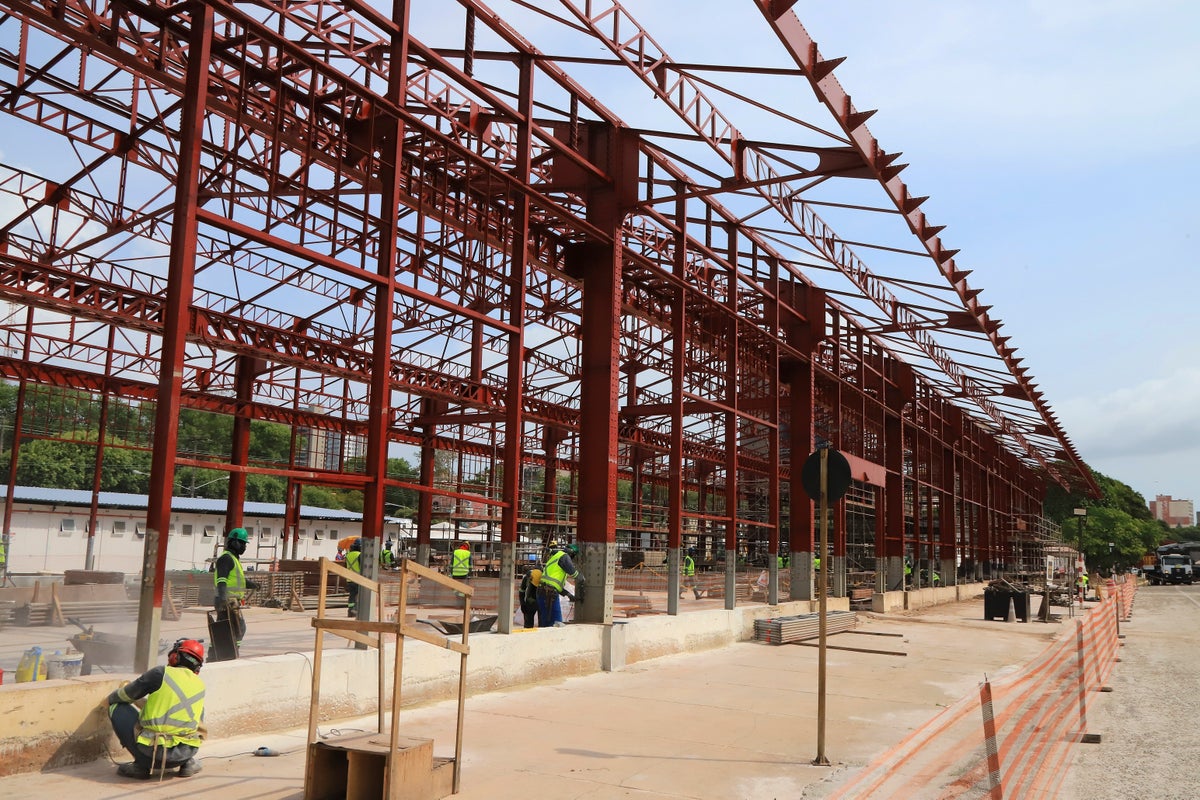
But the so-called "People's COP" may not be as welcoming as they hoped. Sky-high accommodation costs are threatening Brazil's stated goal of inclusion, and the government is racing to multiply the 18,000 beds now available in the Amazonian host city of Belem, turning to motels aimed at amorous couples, ferries that normally ply the rivers, and school classrooms to host visitors. President Luiz Inacio Lula da Silva has said his goal in bringing COP30 to the Amazon was to focus the world's attention on a forest that both offers unique solutions to climate change, by locking away planet-warming carbon, and suffers some of its gravest consequences, in the form of wildfires and drought. While many climate change campaigners have celebrated that focus, some have also expressed fears that hosting such a major event may strain the fragile region and compromise the success of the conference. Belem, a port city of 1.3 million on the edge of the Amazon rainforest, is speckled with construction sites. The Brazilian government is pouring some $1 billion into new infrastructure.














