New Zealand's wildlife is often viewed through the lens of the last few thousand years. Fossil deposits from relatively recent periods have provided detailed records of the birds that inhabited the islands before human settlement, while much older discoveries have offered glimpses into ecosystems that existed millions of years earlier. Between those two eras, however, the story has remained surprisingly incomplete.
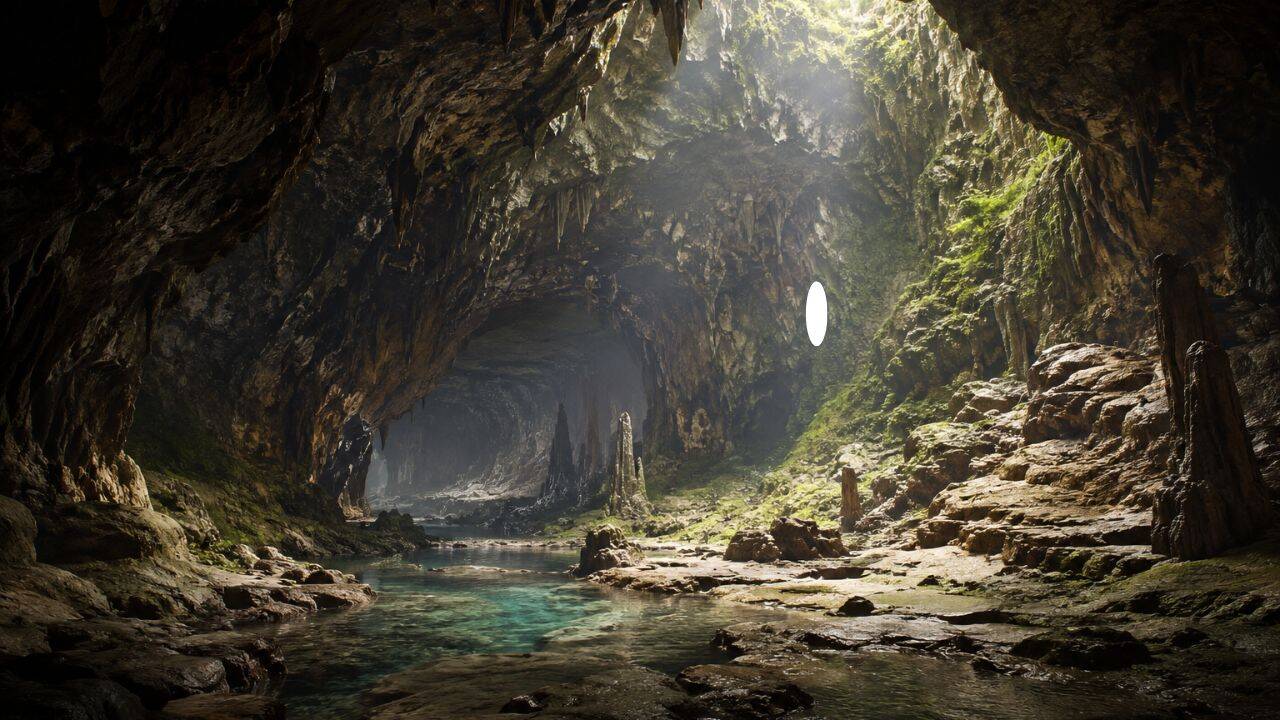
A newly described fossil assemblage from a cave on New Zealand's North Island is helping to close that gap. According to a study published in Alcheringa, titled “ The first Early Pleistocene (ca 1 Ma) fossil terrestrial vertebrate fauna from a cave in New Zealand reveals substantial avifaunal turnover in the last million years ”, the remains date to around one million years ago and represent the country's first known Early Pleistocene terrestrial vertebrate fauna recovered from a cave. The fossils reveal a bird community that looked markedly different from the one encountered by humans many thousands of years later, suggesting that major ecological change was already underway long before people arrived.The discovery provides an important missing chapter in New Zealand's evolutionary history, allowing researchers to trace how bird communities changed over extended periods of climatic and environmental change.