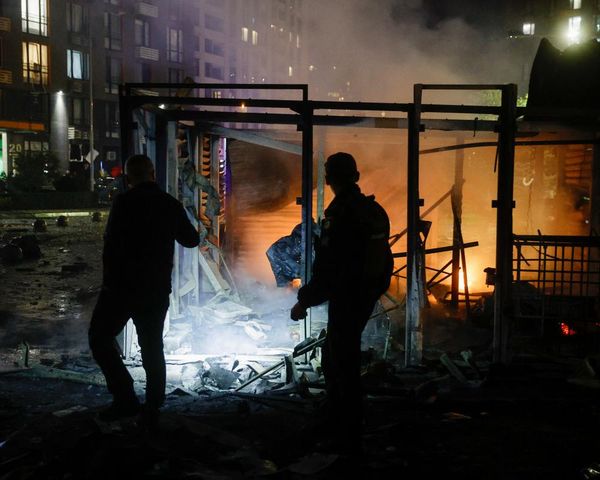
Mayor Karen Bass has declared a state of emergency for the city of Los Angeles, as firefighters still struggle to contain a blaze from a cold-storage facility that continues to spew smoke across the metro area.
“This emergency declaration is crucial because Boyle Heights is not just responding to a fire. Residents have lived through days of smoke, shelter-in-place orders, disruptions to daily life, and ongoing questions about what this means for their health and well-being,” Councilmember Ysabel Jurado, who represents Boyle Heights, said in a statement.
The emergency declaration asks Governor Gavin Newsom to expedite state relief and to send any aid available under the California Disaster Assistance Act.
Firefighters extinguished the rooftop burn quickly, but lingering dangers within the building have made it difficult to completely stop. Smoke has continued to waft away from the building, following the wind into other areas of the county.
Officials initially ordered local residents to shelter in place due to the air pollution and the possibility of ammonia contamination. Los Angeles city and county have opened smoke relief centers.
“The city and county have opened spaces for families seeking relief from the smoke, and we will continue working around the clock and doing everything possible to put this fire out completely,” Bass said in statement.
The solar-panel array blanketing the roof of the 500,000-sq-ft cold-storage facility in the Boyle Heights neighborhood of Los Angeles caught fire on 17 June. While firefighters attempted to contain it, an ammonia line ruptured, making the blaze more dangerous. Ammonia, a commonly used commercial refrigerant, is highly flammable and can emit toxic fumes.
Firefighters were forced to retreat and try to contain the conflagration from a safer distance, while using air drops of water from helicopters to help put it out. Foam within the building has continued to slowly burn, according to the Los Angeles Times.
Once the fire is completely put out, LAFD will have to remove some 85m lbs of rotted food. Officials have said they are working on the biohazard challenges potentially posed from spoiled foods such as bread, poultry, pork and beef.