- Gartner claims PC shipments were up 4% year-over-year, but price hikes continue to taint consumer demand
- Apple's success with the MacBook Neo saw shipments and market share rise
- 2026 could see a sharp decline in the number of PCs sold
New data from Gartner has claimed PC shipments continued to rise in the first quarter of 2026, albeit by a relatively small 4% year-over-year margin.

However, it might not quite be the growth companies were hoping for, with demand dwindling as a result of continually rising costs caused by memory and chip shortages.
Instead, Gartner suggests it might have been inventory build-ups behind the rise, with companies anticipating further price hikes in Q2 2026.
PC shipments rise, but maybe as a result of stockpiling
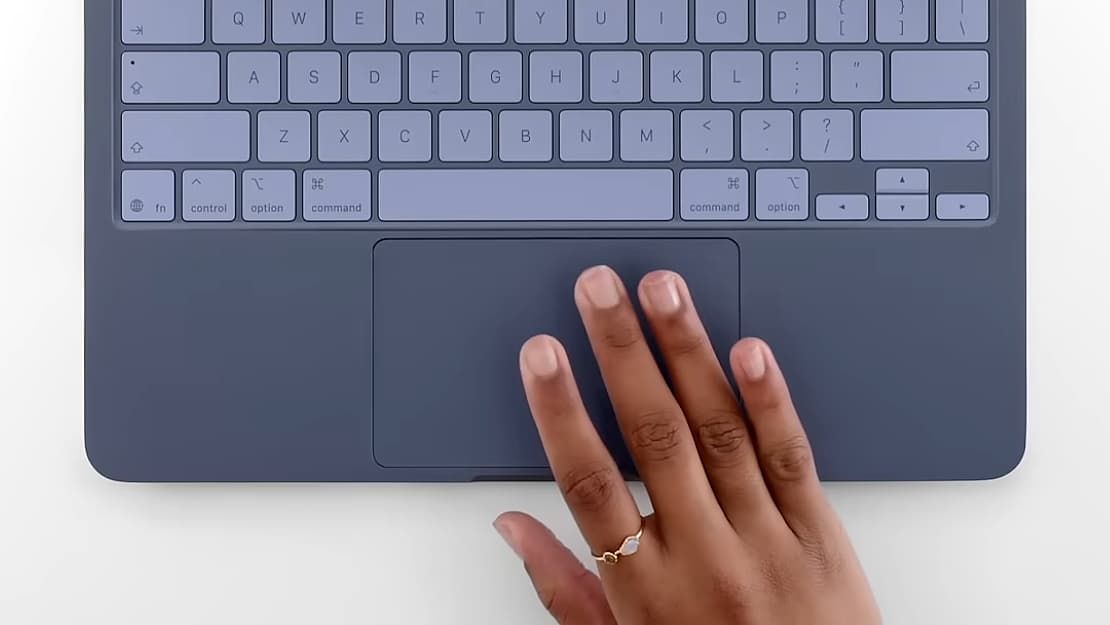
Among the manufacturers monitored, Apple saw the bigger year-over-year growth of 12.7%, which Gartner credits with impressive demand for the MacBook Neo among education buyers and new Mac users.
"This strategic positioning enabled Apple to attract cost-conscious consumers seeking high-performance devices, further solidifying its competitive advantage in the segment," Research Principal Rishi Padhi commented.
Apple CEO Tim Cook declared the "best launch week ever for first-time Mac customers," with many sources now pointing at Apple having increased 2026 production capacity to 10 million Neo devices to keep up with demand.
Apple held 10.6% of the worldwide PC market in Q1 2026, up from 9.8% in Q1 2025.
Asus saw a similarly impressive 10.8% growth, with Lenovo not far behind at 9.5%. Dell and Acer complete the list with 7.6% and 3.9% respectively, before it turns south. HP actually sold 4.9% fewer devices, with all other manufacturers bundled into 'others', down 4.6%.
Looking ahead and with costs continuing to rise, separate data from Omdia predicts that the global PC market could shrink as much as 12% in 2026.
"For lower-priced products, there is less margin room to absorb rising costs, and consumers in this segment are typically more sensitive to price fluctuations," Principal Analyst Ben Yeh added.