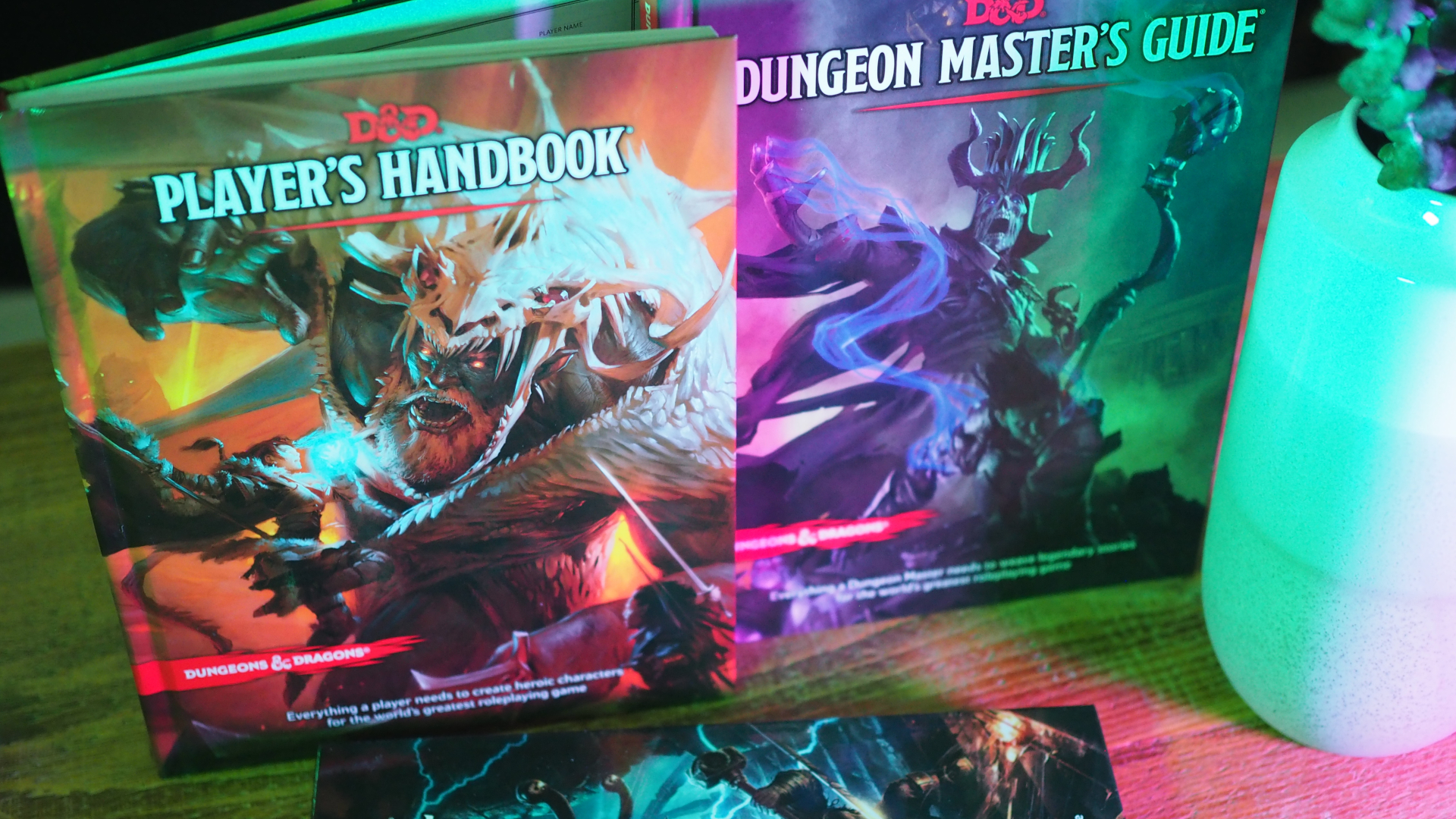
It's easy to look at the outgoing version of D&D (which has been running since 2014 and whose core rulebooks are being replaced this year) in an attempt to reconcile with gamers new and old after the mixed reception of the last ruleset. And yes, Fifth Edition is lauded by those drawn to the role-playing game hobby by its simpler mechanics, its embrace of iconic fantasy tropes, and its popularity. However, it's when you compare Dungeons & Dragons 5e to its earlier namesakes that things start to go wrong. With a fresh start for the game on the horizon, I wanted to look back at the rules we've been playing for the last 10 years - and on the whole, what we're left with is a mixed bag.
It’s been said by those who have played more than just the current iteration of the game that D&D 5e is everyone's second-favorite edition, and it’s hard to disagree. Fourth had its tactical approach, three offered a wealth of character options, Advanced D&D provided an expansion into much of the now-beloved lore, and those original little brown books held in them a world of dark and dangerous dungeons that would prove to be the genesis of the best tabletop RPGs, and the industry as a whole. But even so, and even if it is but a second-favorite, D&D Fifth Edition has a lot to love. The core system is simple and flexible, players and Dungeon Masters have a lot of options for their classes, monsters, and adventures respectively, and perhaps most importantly, 5e has an abundance of resources developed by the community that expand the game endlessly.