
Astronomers exploring the faraway universe with the James Webb Space Telescope, NASA’s most powerful telescope, have found a class of galaxies that challenges even the most skillful creatures in mimicry — like the mimic octopus. This creature can impersonate other marine animals to avoid predators. Need to be a flatfish? No problem. A sea snake? Easy.
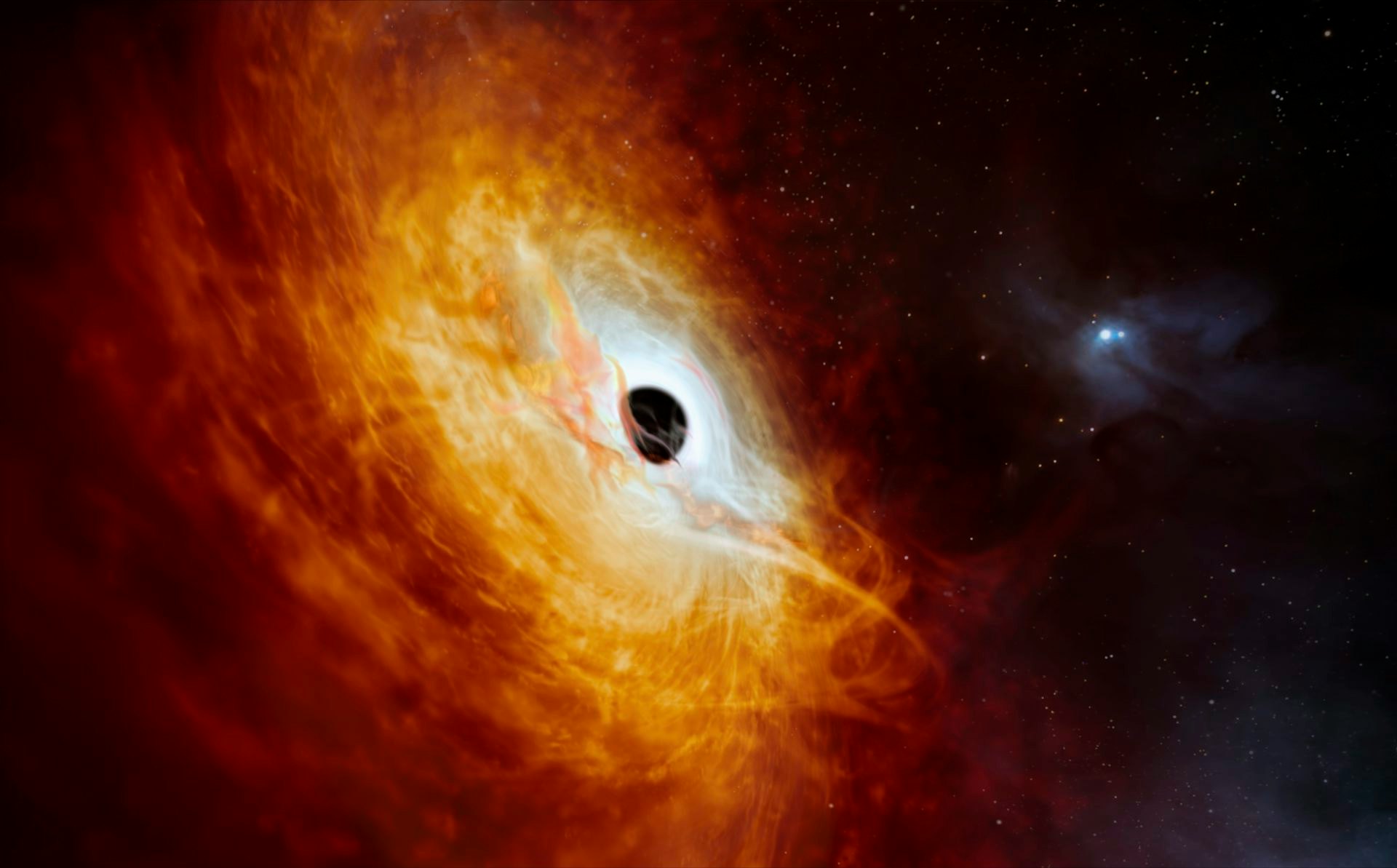
When astronomers analyzed the first Webb images of the remote parts of the universe, they spotted a never-before-seen group of galaxies. These galaxies — some hundreds of them called the Little Red Dots — are very red and compact and visible only during about 1 billion years of cosmic history. Like the mimic octopus, the Little Red Dots puzzle astronomers, because they look like different astrophysical objects. They’re either massively heavy galaxies or modestly sized ones, each containing a supermassive black hole at its core.













