Get all your news in one place.
100's of premium titles.
One app.
Start reading
The Conversation
The Conversation
Environment
Charles C. Chester, Lecturer in Environmental Studies, Brandeis University

Linking protected areas from Yellowstone to the Yukon shows the value of conserving large landscapes, not just isolated parks and preserves

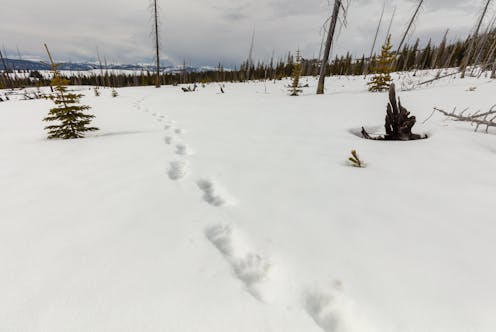
Fresh grizzly bear tracks in Yellowstone National Park. Jacob W. Frank, NPS/Flickr

As human development spreads ever farther around the world, very few large ecosystems remain relatively intact and uninterrupted by highways, cities or other human-constructed obstacles. One of the largest exceptions is the Yellowstone to Yukon region, or Y2Y, which stretches more than 2,000 miles (3,200 kilometers) northwest from Wyoming into Canada’s Yukon territory.

For the past 30 years conservationists have worked to knit this huge stretch of land together under the Yellowstone to Yukon Conservation Initiative. Y2Y seeks to make room for wildlife in connected landscapes that give animals the ability to move across large areas – whether they are following age-old migration patterns or responding to a changing climate.
Sign up to read this article
Read news from 100's of titles, curated specifically for you.
Already a member? Sign in here
Related Stories
Top stories on inkl right now
One subscription that gives you access to news from hundreds of sites
Already a member? Sign in here
Our Picks
Fourteen days free
Download the app
One app. One membership.
100+ trusted global sources.