
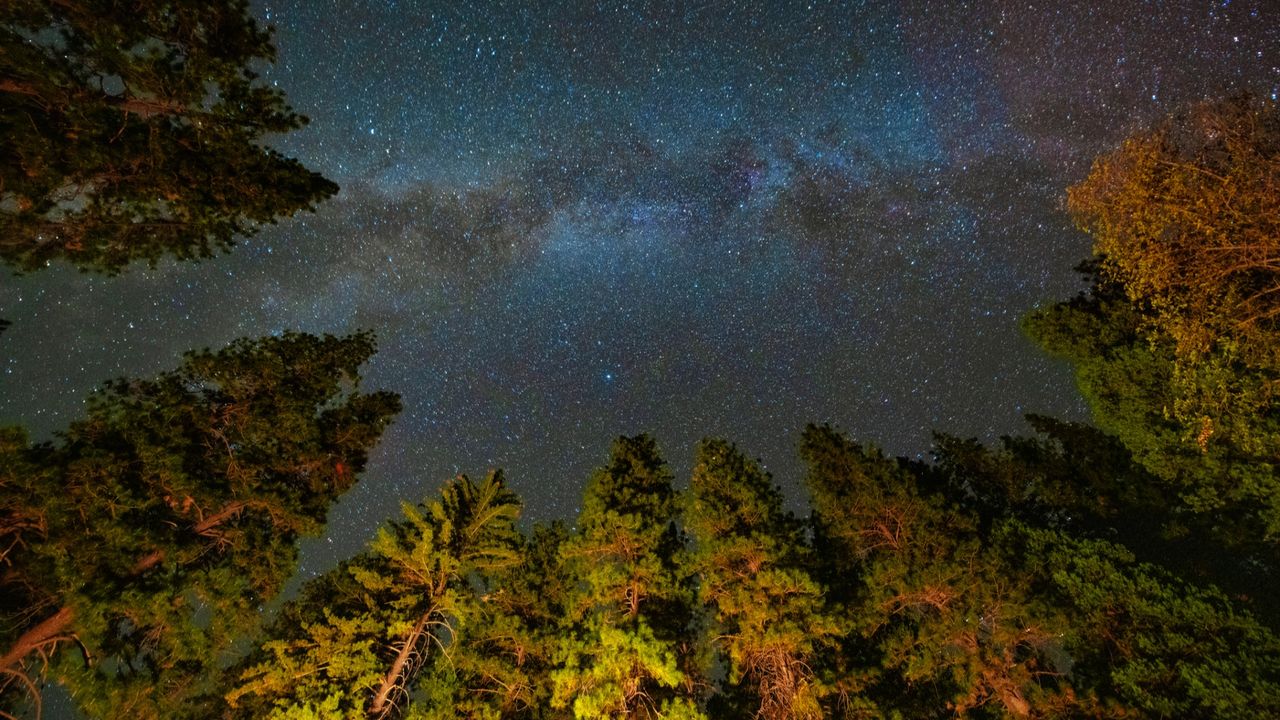
Every year, millions of people travel to remote, protected "dark-sky parks" in search of experiences that depend on true darkness — photographing the Milky Way's heart arcing overhead, observing nocturnal wildlife in its natural rhythm, or simply standing beneath an ink-black sea of stars unblurred by artificial light.
Scientists have long warned that rising levels of artificial light — increasingly amplified by satellite megaconstellations orbiting our planet — are steadily eroding these nightscapes, disrupting ecosystems, affecting human health and dimming views of stars and distant celestial objects. Darkness itself carries no price tag, however, meaning its loss has largely been absent from the economic calculations that guide development and outdoor lighting decisions. Now, new research attempts to translate that loss visible in monetary terms.














