By Sardar Sardarov, Anthropogeos founder and anthropological researcher
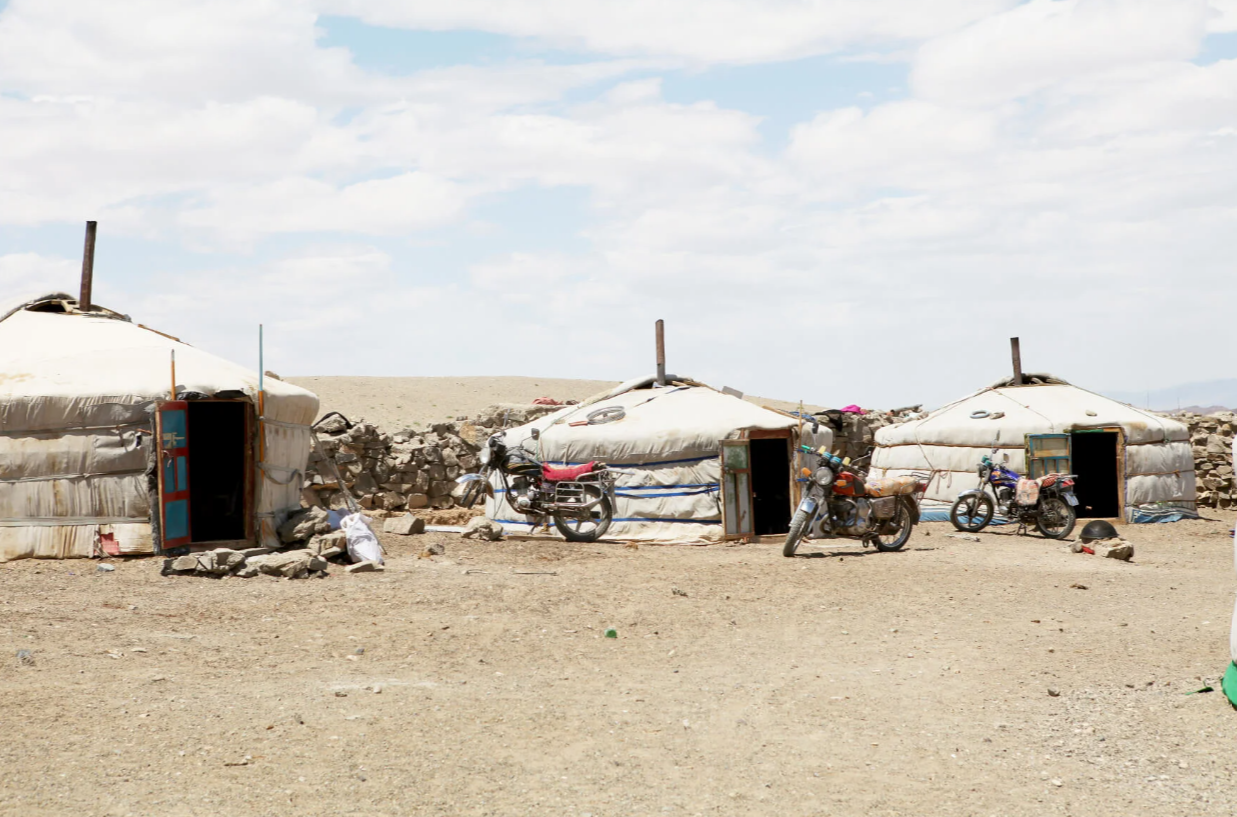
Yurts and motorcycles in the Mongolian Gobi. Transport technology accompanies an established form of dwelling. Source: Anthropogeos research organisation.
A satellite connection can carry a message across a desert in seconds. It cannot bring water to a household or make a mountain road easier to travel. Technology has changed our experience of distance, but geography still helps determine the choices available to us, the work we do, the people on whom we depend, and who we become.
Having undertaken 44 interdisciplinary expeditions exploring how geography and natural environments shape culture and ways of life, I have come to see this relationship as a negotiation. People adapt to their surroundings, then alter those surroundings through trade, construction and accumulated knowledge. Anthropogeos field research in Uzbekistan, Guatemala, the Gobi Desert and Antarctica reveals different versions of that exchange. These places offer no single formula for human behaviour. They do, however, challenge the assumption that greater connectivity makes place less consequential.
The Gobi and the usefulness of tradition
In the Gobi, distance makes mobility central to daily life. A portable dwelling has a practical logic in such a setting. So does knowledge that allows people to organise their lives across large stretches of difficult terrain. Customs which may appear picturesque to a visitor can be working solutions to recurring problems.
Our Gobi exhibition records motorcycles, vehicles used to transport yurts, satellite dishes and solar panels alongside traditional dress and dwellings. People select tools that fit the lives they wish to continue. A motorcycle can support mobility without requiring a household to abandon its relationship with the land. The survival of a tradition may depend on its capacity to accommodate something new.
Uzbekistan and the geography of exchange
Uzbekistan shows how geography can shape not only where communities develop, but how they connect and exchange with one another. The Anthropogeos account of its geography describes settlements concentrated near water, with deserts and mountains contributing to uneven population density. Those differences matter beyond the question of where people can live. They influence what communities can produce, where goods travel and where people meet.
At the Chorsu Bazaar market in Tashkent, the country’s capital, location and design bring these connections into view. Accessible low ground and nearby irrigation channels support a trading system that connects produce from mountain valleys, pastoral products and urban crafts. The market assembles the resources of different environments in a shared place.
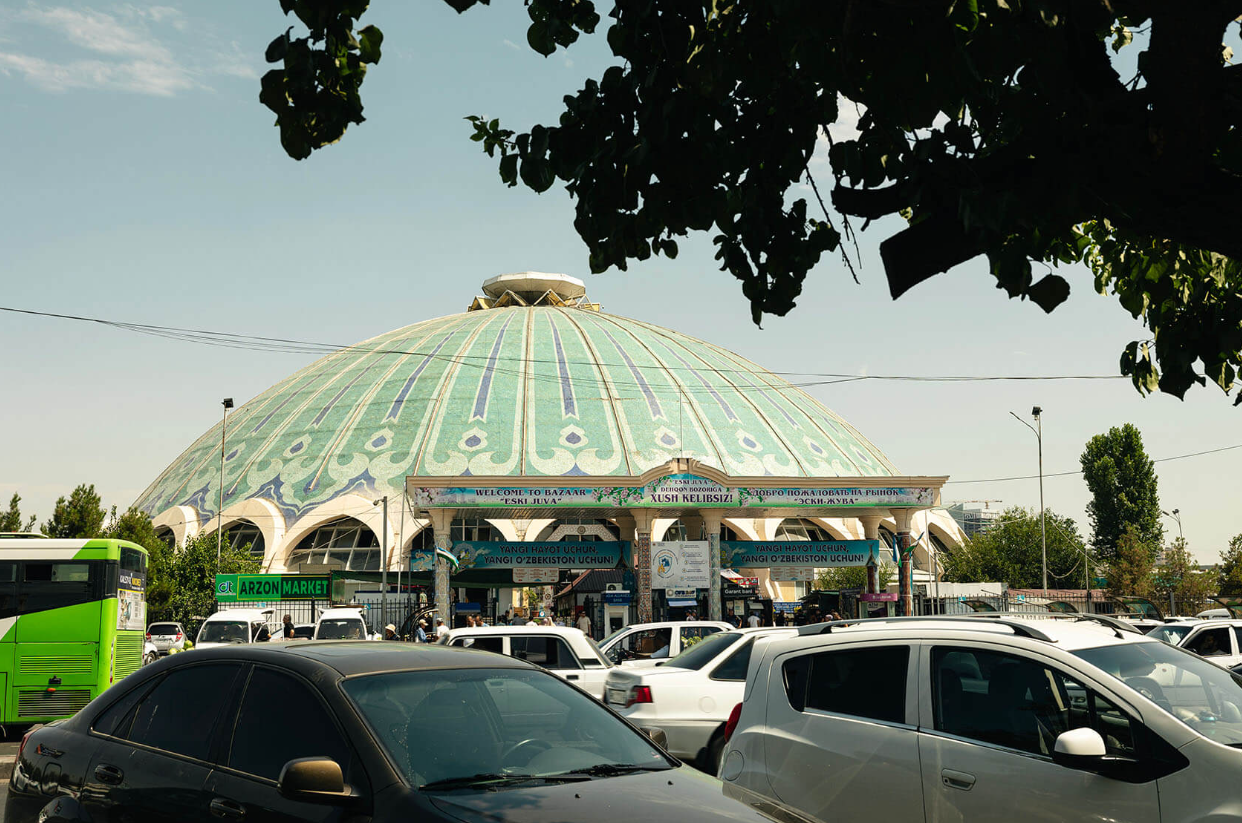
The large dome of Chorsu Market, Tashkent. Source: Anthropogeos research organisation.
Its architecture also responds to climate. Chorsu’s great dome was conceived to encourage natural air circulation in Uzbekistan’s heat. That makes the building more than a visual expression of identity: it is an attempt to make a demanding environment habitable for everyday commerce. Cultural form and practical function occupy the same structure.
A market creates relationships because people need things they cannot all produce themselves. Repeated journeys become familiar encounters; differences between regions, their landscapes and what they produce acquire names, reputations and value. Geography can therefore encourage exchange as well as separation. To understand a community, we need to examine the routes through which it reaches others, alongside the boundaries around it.
This has practical consequences for urban planning. Moving a marketplace involves more than finding another building with enough space for stalls. Planners also need to understand how suppliers arrive, how customers travel and what shelter the site offers. A proposal that overlooks those connections may preserve the physical form of a bazaar while making it harder for the people who sustain it to continue their work.
Guatemala and the distance between communities
In Guatemala, our 2018 expedition included field research in Lake Atitlán, Chichicastenango and settlements across a varied landscape. The exhibition we produced concentrates particularly on K’iche’ Maya life in and around the town of Chichicastenango. That focus matters: observations from one area cannot explain the experience of every Maya community, still less an entire country.
The research at Chichicastenango documented people travelling many kilometres to the town’s historic Thursday and Sunday market, sometimes on foot with carts. On those days, trade extends through the square and nearby streets. A permanent food market follows a different rhythm, operating throughout the week. The distinction shows how a common meeting place can accommodate both regional journeys and everyday neighbourhood needs.
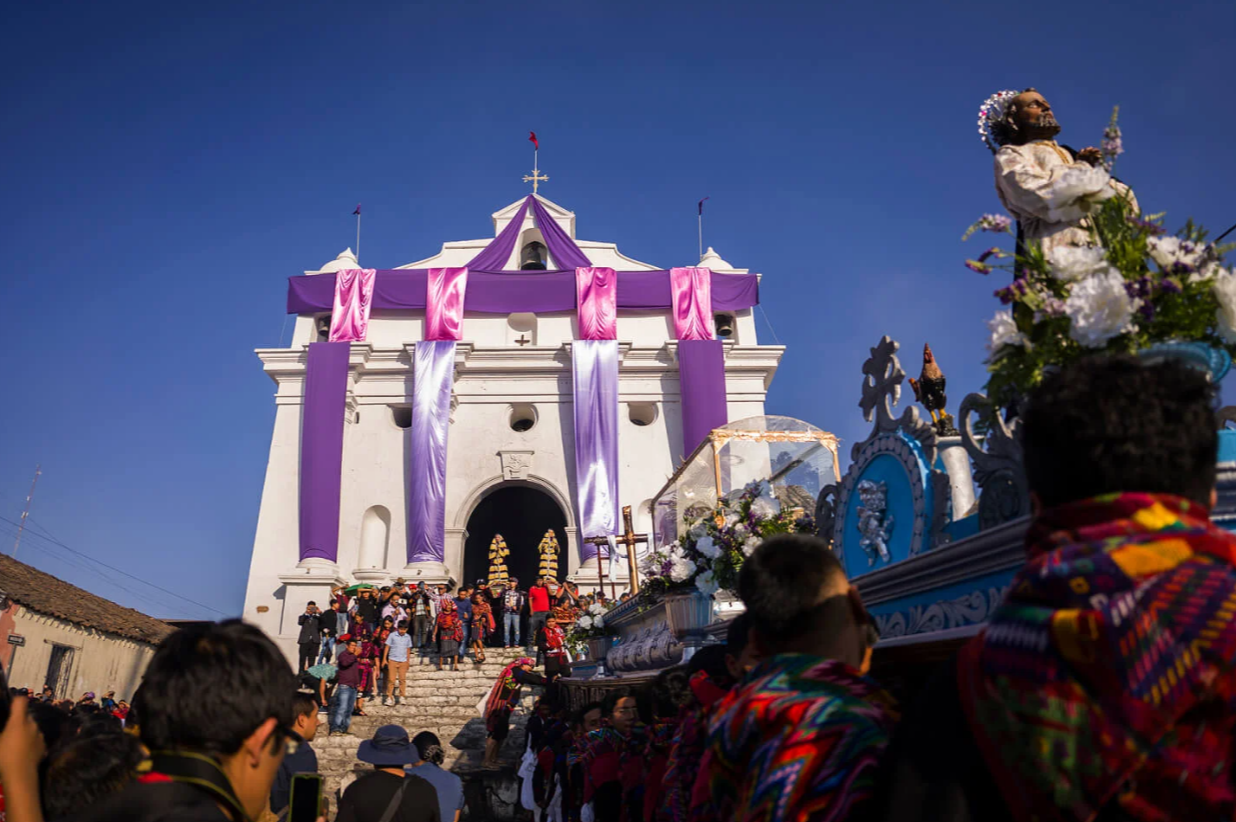
Chichicastenango, Quiché Department, Guatemala. Photograph: JFernando Morales Photography, published by Anthropogeos research organisation.
Distance remains part of the calculation. Our research also found that distance can change patterns of participation, with some people living farther away now buying food nearer home rather than spending hours travelling to Chichicastenango. A historic centre may retain cultural importance while losing particular journeys. Attachment to a place does not remove the cost of reaching it.
This is why accounts of cultural endurance need to include ordinary decisions about time and income. A market helps sustain contact between communities only while people can afford to participate. Improvements to transport, or changes in where trade happens, can affect the settings in which cultural practices are repeated. Terrain influences those possibilities, but economic circumstances and personal choices help decide what happens in practice.
Antarctica and organised dependence
Antarctica provides a different comparison. Its research stations and expedition camps are not equivalents of communities with generations of continuous local residence. People arrive with institutions, equipment and supply networks created elsewhere. The environment makes the scale of that dependence unusually clear.
During the 2019–2020 Anthropogeos expedition, the team travelled across the continent. The Anthropogeos account of Union Glacier documents how guides combine driving, mechanical work and the placement of supplies, with routes planned around time and fuel. Maintaining contact and preparing equipment were integral parts of movement through the landscape.
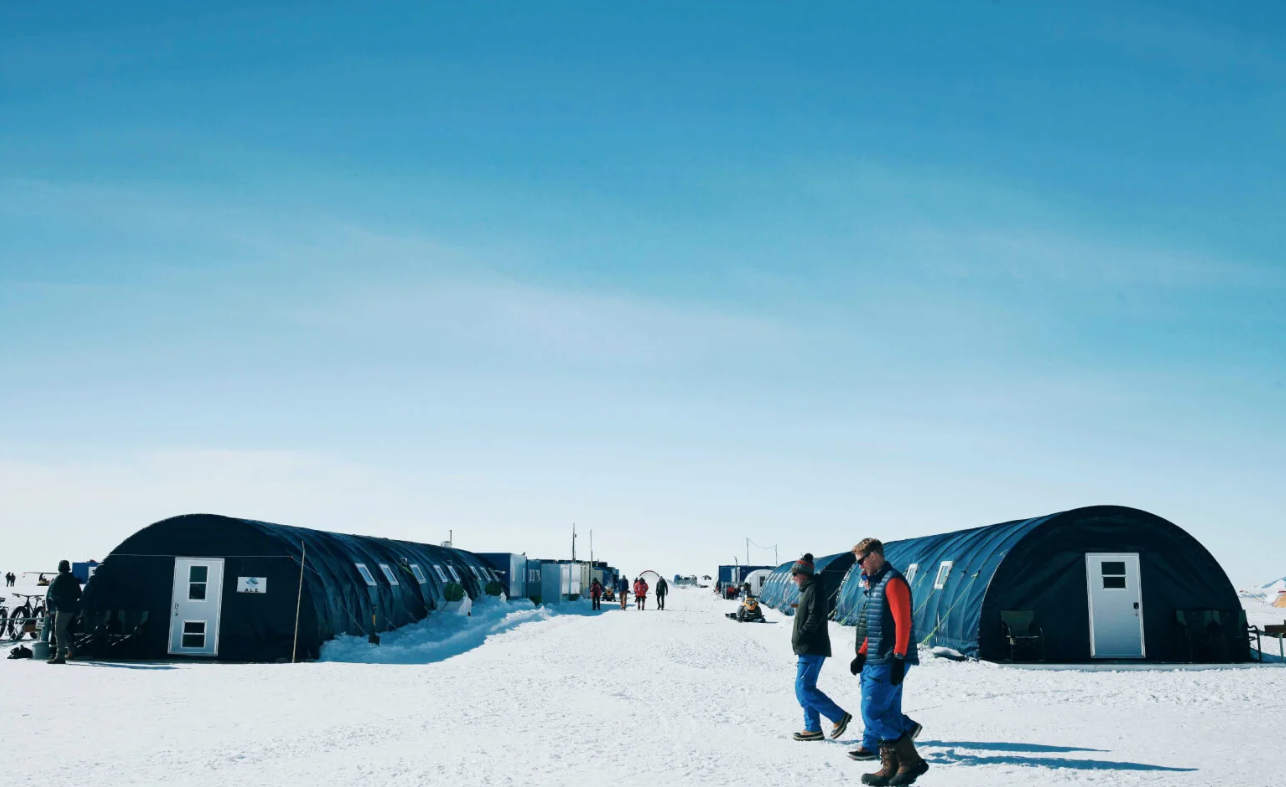
Union Glacier Camp, Antarctica, documented in the Anthropogeos expedition account. Source: Anthropogeos research organisation.
The social lesson lies in that organisation. A person’s ability to travel rests on other people’s work, including work completed before the journey begins. Technology expands what is possible while adding obligations to maintain equipment, coordinate supplies and share information. Even a remote expedition is a collective undertaking.
Giving place a role in decisions
These examples should make us cautious about treating adaptation as something that can be delivered identically everywhere. A useful intervention has to fit the journeys, skills and relationships through which people already manage their surroundings. Better infrastructure can expand their choices, but its value depends partly on whether they can use it.
Harsh conditions do not automatically produce solidarity, nor does isolation guarantee cultural continuity. People have unequal resources and different ambitions. They must also be free to leave, change occupations or adopt unfamiliar ways of living. Respect for local knowledge should never become a demand that residents preserve hardship for outsiders to admire.
Geography continues to shape who we become because it influences what daily life asks of us. Listening closely to how people answer those demands offers a better starting point for change than assuming that connection has made the demands disappear.
Sardar Sardarov is an anthropological researcher and Editor in Chief of Anthropogeos, an international research organisation exploring the relationship between people, culture and their environments. He has organised and led 44 interdisciplinary expeditions. His work brings together field research and visual documentation to examine how communities adapt to the places they inhabit and sustain cultural practices through change.