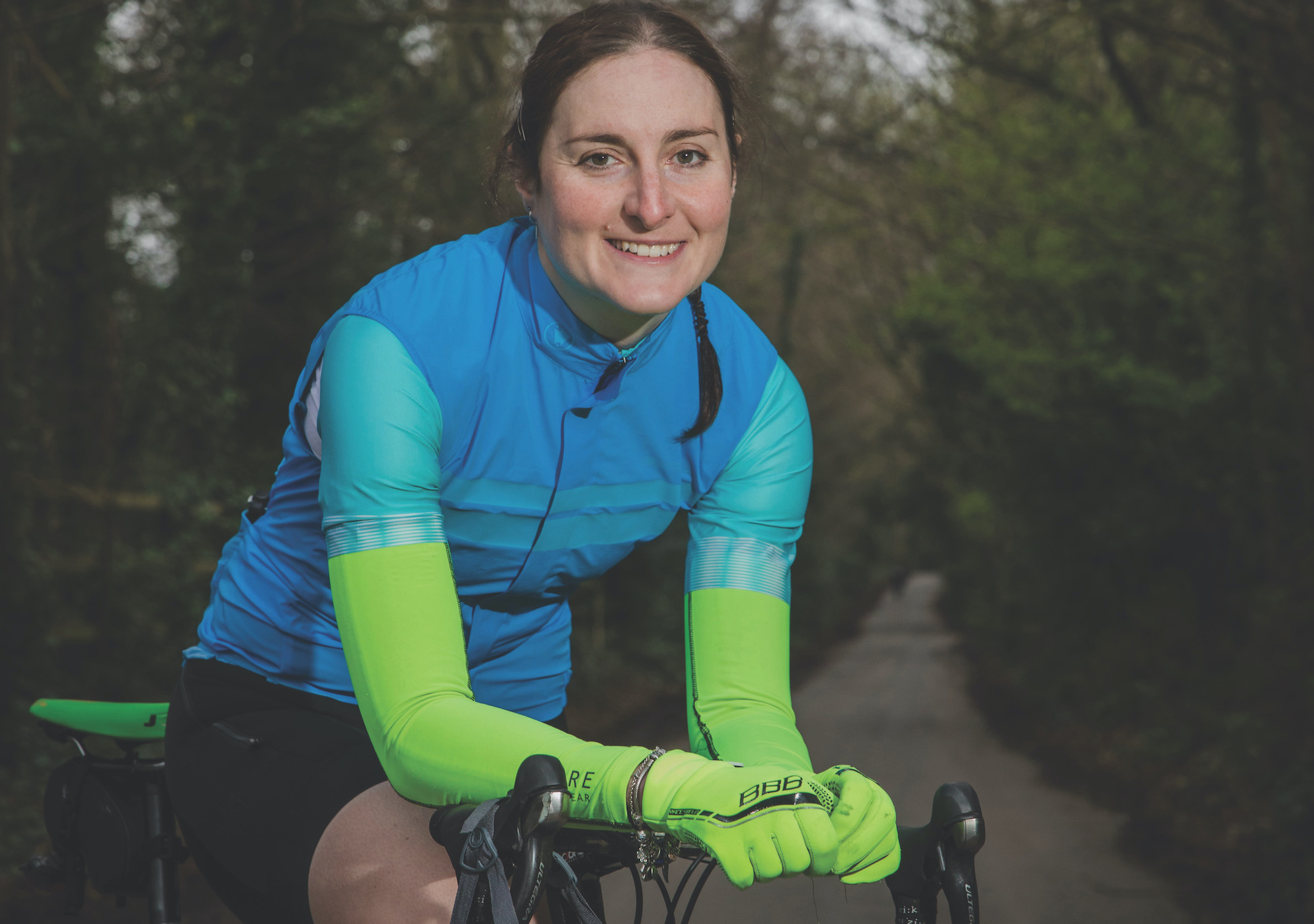
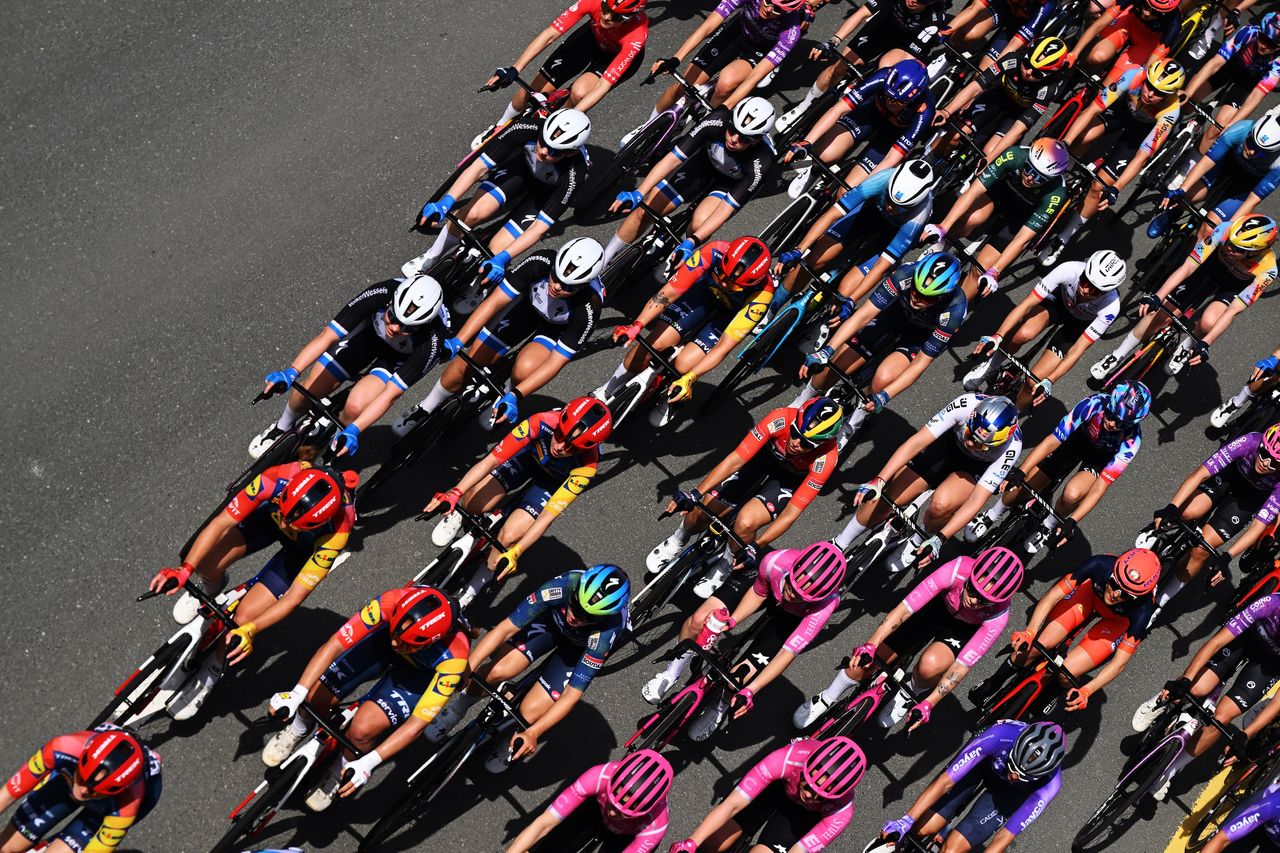
The world of outdoor road racing can be an intimidating place for the newcomer, going shoulder to shoulder with other riders of a variety of fitness and experience levels. There is the ever-present crash risk, there can be shouting, there can be aggression, and there is always a price to pay financially. It's no wonder that entrant numbers is at the top of so many organisers' 'to do' lists.When it comes to female competitors, underrepresentation makes bike racing a harder sell from the get-go, with women making up just 20% of British Cycling members and 15% of US Cycling's. However, indoor riding and racing is a different story, with Zwift's director of women's strategy Kate Veronneau reporting a "large and continually growing women's market".One place where women are definitely represented is at FemmeCycle Collab – a women-only indoor cycling community formed two-and-a-half years ago with the aim of "connecting and enabling" women in the e-racing arena and, ultimately, get more women racing online.The project was led by California-based Beccah Niesen, along with Susan Clarke and women's racing advocate James Bailey, and has since bloomed into a thriving community of more than 500 riders racing across Zwift and MyWhoosh.“As I age, I see so many women losing confidence in their athletic self and themselves as a whole," Neisen told The Zommunique esports site in 2024. "I believe the same confidence rebound can be achieved for women by racing virtually, particularly within a community of other women. Empowered, enabled women can do so much good in this world, both in esports and in real life.”Among those now helping run FCC is elite UK rider Alice Lethbridge, a former 100-mile and 12-hour national champion and record holder.Speaking to Cycling Weekly, she said that FemmeCycle Collab is definitely about women competing online, but that it is also about the enjoyment, the journey, and the social benefit."In women's sport, you do have super-competitive people who will do it whatever, but for a lot of women, it's their friends that keep them going," she says. "They do the sport because actually they enjoy the time with their friends more than they enjoy the winning or pushing themselves.