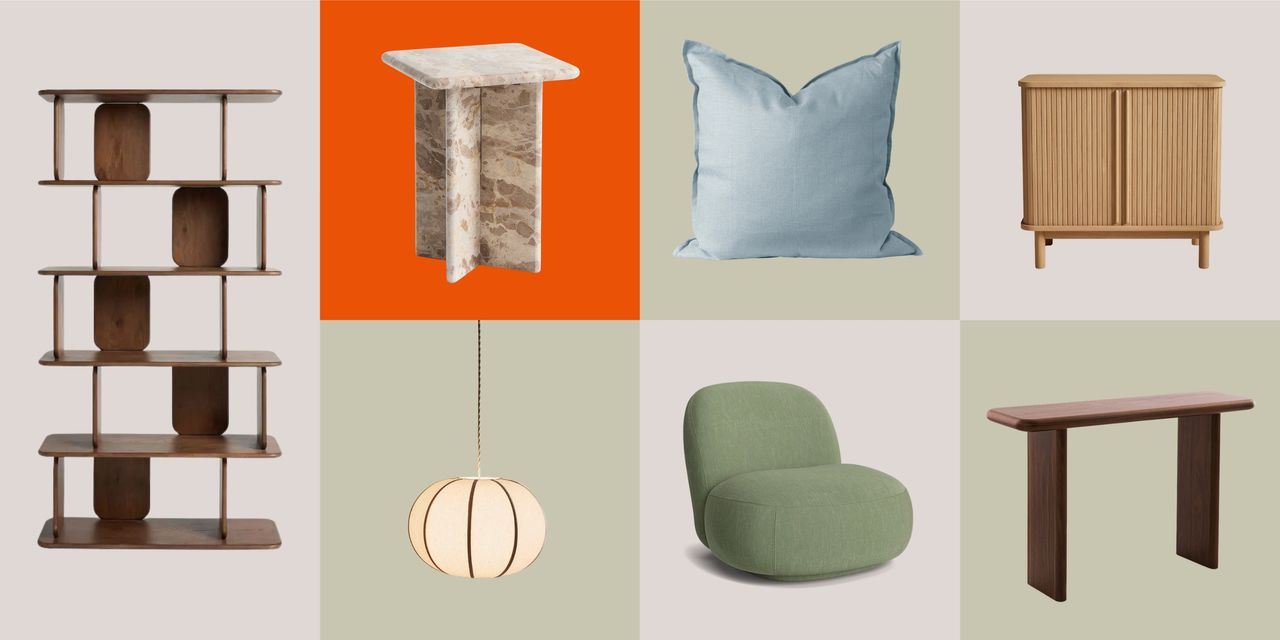
Minimal design can be interpreted in different ways. For me, it doesn’t mean stripping everything back to white walls and beige sofas. If you paint your living room white and fill it with gray and cream without thinking about depth, you’ll probably end up with a space that feels flat rather than refined.True minimalism is layered, nuanced, and thoughtful, and the best designers of this style treat simplicity as an art form. They focus on proportion, balance, and the relationship between objects. They mix soft curves with clean linear silhouettes. They introduce texture such as bouclé, linen, mohair, brushed wood, and rigid stone so that even the quietest space still has depth. They allow subtle patterns to exist, but in tonal, understated ways. For a minimalist living room, a subtle stripe, a tonal rug, or a gently curved armchair can add just enough interest without disturbing the calm.
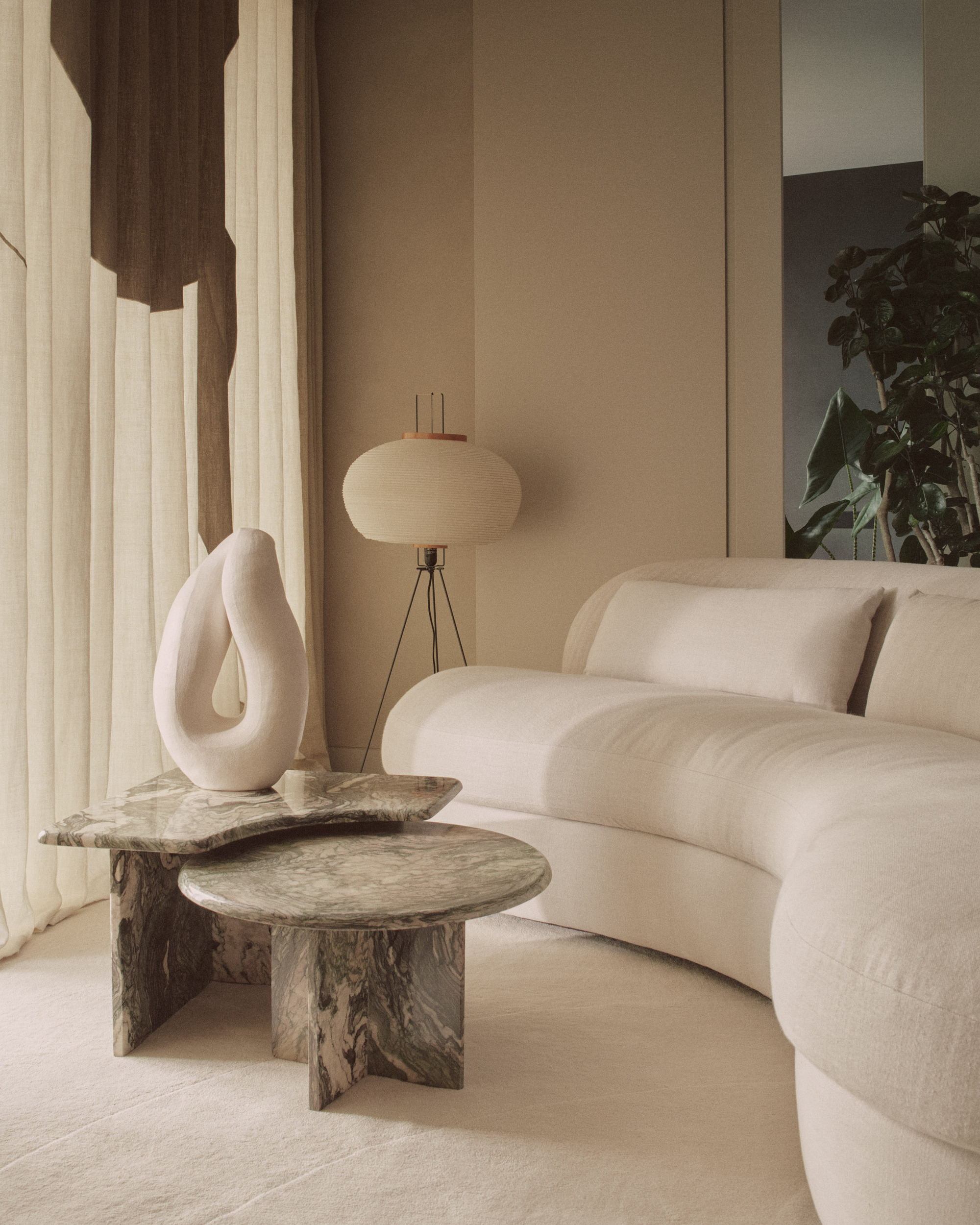

Minimalist interior design also lives in shape. A sculptural armchair can anchor a room. A low, linear sofa creates calm through proportion. A rounded coffee table softens architectural edges. Texture and form do the talking.And then there’s negative space — minimalist living rooms definitely require breathing space; not every corner needs to be filled. In fact, restraint is what makes a statement piece powerful. When you allow emptiness to exist, a single floor lamp, a bold chair, or a perfectly proportioned rug stands out even more.
To me, minimalism is not simply about having less, but more about choosing better. It’s about creating a room that feels calm when you walk in and clear when you sit down. If you’re drawn to that kind of quiet confidence, this collection was made with you in mind. For more thoughtful edits like this — and personalized product recommendations tailored to your space — explore Design Lab by Livingetc and subscribe to the newsletter. It’s where we share the pieces worth investing in, and the ideas that actually last.