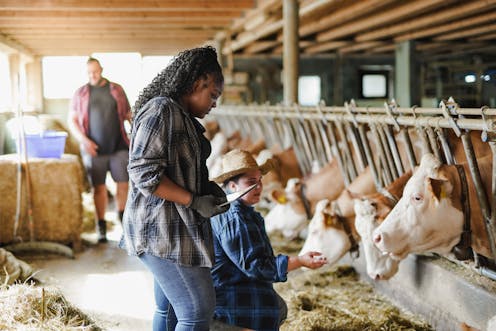
Africa’s livestock farmers are at the forefront of climate change. Images of parched landscapes littered with the carcasses of starved cattle are becoming all too familiar as droughts increase in frequency and severity. But cattle farming globally is also one of the causes of climate change. The world’s three billion or more ruminants – cattle, sheep and goats – produce methane, one of the most potent greenhouse gases, as a by-product of digestion.
All too often, discussions about climate change focus on the negative aspects of livestock production. Another side to the story was heard at the COP27 climate negotiations in Egypt. This is the first year that food and agriculture have featured so prominently. And there is a clear message: sustainable livestock farming can play a key role in reducing emissions, especially methane, and in delivering various environmental and social benefits.