Get all your news in one place.
100's of premium titles.
One app.
Start reading
The Times of India
The Times of India
World
TOI World Desk

Lena Platform Reefing: ExxonMobil tower becomes deepwater reef; project preserves marine environment

On July 3, 2020, ExxonMobil's Lena Compliant Tower jacket was toppled in place about 50 miles southeast of Grand Isle, Louisiana, converting the 1,078-foot structure into a deepwater artificial reef. Installed in 1983 as the Gulf's first cable-stabilized platform, Lena operated for more than three decades before decommissioning. According to the Bureau of Safety and Environmental Enforcement, it became the tallest oil and gas platform in the Gulf of Mexico ever converted into a reef under the Rigs-to-Reefs Program.

Get breaking news anytime, anywhere. Download the TOI app now!
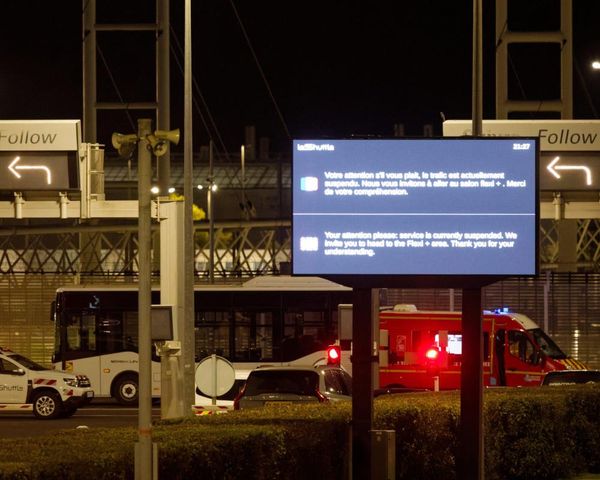
The Lena was installed in 1983 as the Gulf's first cable-stabilized platform

The Lena Compliant Tower was constructed in 1983 at Mississippi Canyon Block 280 at depths of about 1,000 feet, and became famous as the first cable-stabilized, or guyed, production platform ever to be erected in the Gulf of Mexico region. The jacket of the platform itself stood at an elevation of 1,078 feet and weighed 27,000 tons, while including the platforms and drilling rig, it stretched to 1,300 feet, about 50 feet higher than the Empire State Building's roofline of 1,250 feet, not counting its spire, according to Offshore Magazine and BSEE (2020). It remained a productive well for 33 years and stopped producing in 2016.

BSEE approved the reefing after years of coordination with Louisiana

The conversion was done through the Rigs-to-Reefs Program, which is administered by the Bureau of Safety and Environmental Enforcement (BSEE), an agency of the United States government that regulates energy operations at sea. Per BSEE , approval for the removal of the platform was given by the bureau after consideration, after several years of cooperation by the bureau, ExxonMobil, and the Louisiana Department of Wildlife and Fisheries over the issue of the removal and reefing of the platform. Then, BSEE director Scott Angelle said the project showed how industry and government can cooperate to preserve the marine environment of the Gulf region.

The jacket was toppled in place on July 3, 2020

Instead of towing the Lena offshore or dismantling it at the shore, the jacket structure of the Lena was disconnected from its original mooring and was deliberately toppled right at its current location on July 3, 2020, forming a reef on the Gulf of Mexico's outer continental shelf. According to Keith Matocha, the decommissioning project manager of ExxonMobil, the aim was to maintain the structure's ability to support life because the formation of a reef would mean that the rare deep-water corals of the Gulf of Mexico would still survive, along with encrusting organisms, which would then attract other marine life.

Louisiana is expected to take over ownership once the site is cleared

As of the 2020 announcement, ownership of the Lena jacket was expected to transfer to the Louisiana Department of Wildlife and Fisheries once the site was surveyed and cleared, a process officials anticipated completing in early 2021. Current sourcing does not confirm whether that transfer has since taken place. The Louisiana Department of Wildlife and Fisheries was supposed to handle the site, which is one of the sites included by Louisiana in the Rigs-to-Reefs program that allows states to take control of jackets instead of removal.

The Lena reefing was part of a long-running Gulf of Mexico program. In the Gulf alone, the BSEE has given its approval to more than 500 Rigs-to-Reefs initiatives since the launch of the program in 1987, of which 47 approvals were done just in the three years before the Lena reefing. U.S. Congressman Garret Graves, whose constituency is Grand Isle, called the program a method of making a decommissioning liability an asset.

From production platform to permanent reef habitat

Nearly four decades after installation, the Lena's subsea structure now serves a different role underwater in the Gulf. The jacket was not taken out once its service life for oil and gas production came to an end but has been left there as an artificial reef site, one of the biggest examples converted by the Gulf of Mexico's Rigs-to-Reefs Program so far.

Sign up to read this article
Read news from 100's of titles, curated specifically for you.
Already a member? Sign in here
Related Stories
Top stories on inkl right now
One subscription that gives you access to news from hundreds of sites
Already a member? Sign in here
Our Picks
Fourteen days free
Download the app
One app. One membership.
100+ trusted global sources.