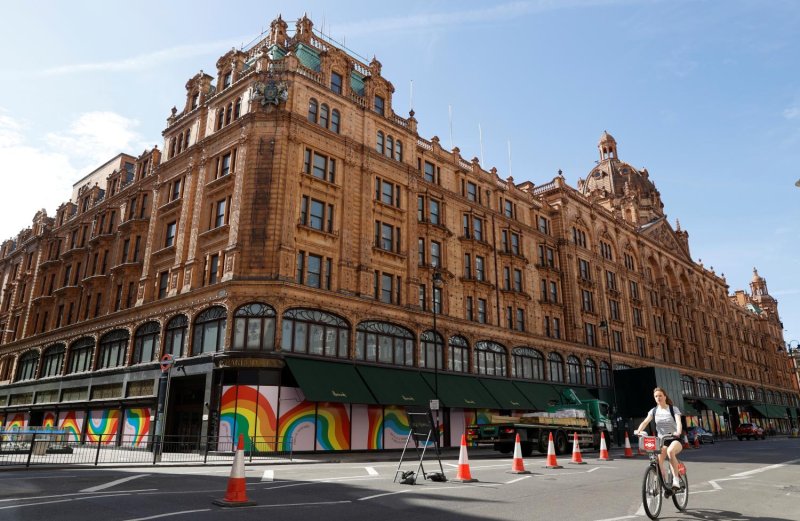
What's not to love about a sovereign wealth fund? Gulf states' SWFs, which control roughly $6 trillion in assets, are no longer mere investment vehicles. They have become tools of statecraft, transforming kingdoms and emirates into power brokers and benefactors. Alongside splashy spending on sports and luxury retail -- Saudi Arabia's Public Investment Fund (PIF) bought the English football club Newcastle United, and the Qatar Investment Authority (QIA) owns the department store Harrods -- these funds have poured money into strategic sectors such as AI, logistics and renewables. They also provide economic support to allies, serving as a foreign-policy lever.
The Gulf model is so appealing that Canadian Prime Minister Mark Carney recently launched an SWF, and US President Donald Trump signed an executive order to establish one. But neither Canada nor the US can match the decades of hydrocarbon surpluses that form the backbone of the Gulf model. A more relevant example would be Latin America, which has run this experiment many times over the years, and under conditions much closer to those prevailing in Canada and the US.