
When an email landed in my inbox titled “Laughter over lunges,” I stopped scrolling immediately and checked it out. I get a lot of pseudo-science email, and a lot of fitness fads are sent my way, so it’s easy to dismiss many of these emails as nonsense. But then something caught my eye: new research.
Curiosity piqued, I took a look into what some researchers are calling “a legitimate entry-point to exercise.” Here’s everything you need to know about laughing (yes, laughing) as a form of exercise. Stay with me, it's worth the read.
What is the study?

It goes without saying that this is just one piece of research from one set of researchers, and we’re not suggesting anyone replace their workout schedule in favor of laughing at their favorite comedians or shows. But what if it could contribute?
Research from wellness app Yoga-Go suggests a very surprising link between watching comedies and movement. Researchers ranked the top 10 movies with “the highest laughs per minute” and explained that “genuine laughter” can increase your heart and breathing rates, which could mimic the effects of a brisk walk or even mat Pilates.
“Laughter acts like a mini stability workout, breath practice and mobility session," says Melissa Leach, a yoga expert and strength and conditioning coach at Yoga-Go. "When we laugh, the diaphragm contracts and relaxes rapidly, much like the paced breathing used in yoga.
“Genuine belly laughs also create isometric contractions in the transverse abdominis, obliques and pelvic floor, mimicking the foundational muscle engagement you see in beginner mat Pilates.
“And just like a gentle walk, laughter increases both heart rate and respiration, boosting oxygen uptake and supporting cardiovascular function.”
What did the study involve?

Unlike workouts in a gym or studio, laughter can feel like a low-effort and entry-level way to wake up some of the muscles in your body. As mentioned, Yoga-Go analyzed the top 10 comedy films over 100 years, focusing on those with a rating of 6.5 or higher and a runtime under four hours.
A laughs per minute (LPM) metric was used to identify which films prompt frequent laughter, which would mean the most likely “consistent bursts of movement.” They then recorded this in order of laughs per minute.
The team then connected laughter to its physical impact. They drew from research showing that 10-15 minutes of genuine laughter can burn up to 10 calories, and, based on the “average duration of a laugh,” they estimated 0.2 calories per laugh. Multiplying this figure by the total laughs generated per film, they could estimate calories burned while watching. Phew.
For example, "Inside Out" and "The Hangover" were estimated to burn 72 and 68 calories, respectively, which the team rated as similar to 25 minutes of low-impact mat Pilates or a 20-minute yoga flow.
For example, "Inside Out" and "The Hangover" were estimated to burn 72 and 68 calories, respectively, which the team rated as similar to 25 minutes of low-impact mat Pilates or a 20-minute yoga flow.
Just remember, calorie burn is individual and based on factors such as physiology and, in this case, laughter intensity. Only a lab setting will give you a very accurate calorie burn number, but we can still estimate, especially when wearing the best fitness trackers.
You can find the full list of films with estimated calorie burn and laughs per minute by visiting the Laughter Over Lunges study.
Bottom line: Why laughter works for the mind and body
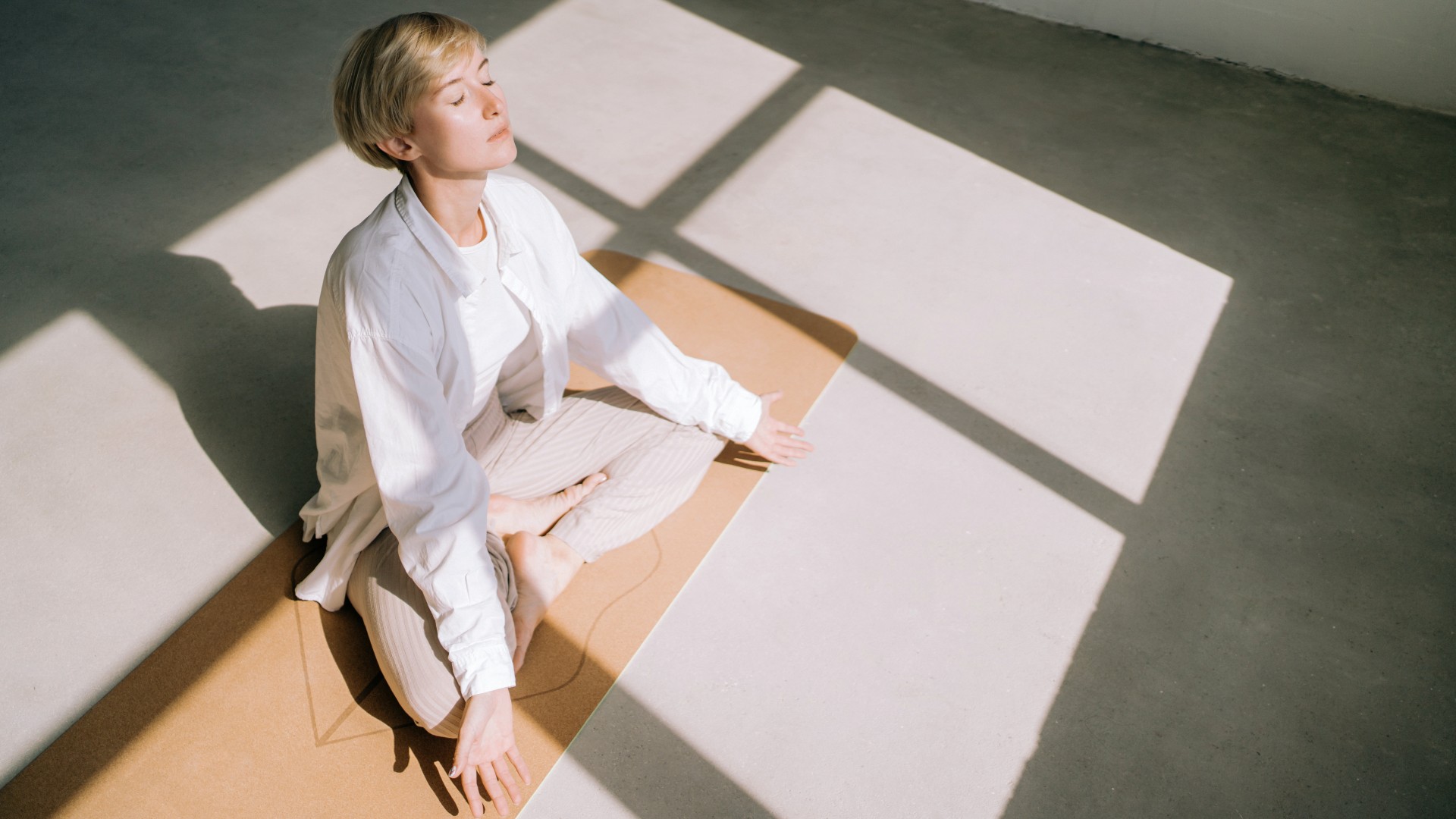
Dr. Cassidy Jenkins, a clinical psychologist at Yoga-Go, says, “When we laugh, several areas of the brain involved in emotion and reward become active, including regions linked to pleasure and motivation.
“This activity can support the release of feel-good chemicals like dopamine, oxytocin and endorphins, which are associated with improved mood, connection and even mild pain relief for some people.”
She adds, “Genuine laughter also creates a brief physical response; your heart rate and breathing increase, but this is quickly followed by activation of the parasympathetic nervous system, the part of the body responsible for calming and recovery.
“That’s why laughter often leaves people feeling more relaxed, lighter and emotionally uplifted afterward.”
Dr. Jenkins adds that this reframing of what movement should be can be joyful and help people relate to exercise differently, creating consistency. “When gentle movement is paired with something that genuinely improves mood, the brain starts to associate activity with pleasure rather than pressure,” she adds.
Remember, laughter shouldn’t replace all exercise, but should build a foundation for other forms of movement. Always seek the help or advice of a qualified medical or fitness professional if you are unsure how to get started with an exercise routine or need help with an injury, illness, or condition.
Yoga expert Leach reminds us, “Whether you’re easing into movement, rebuilding your routine, or simply looking for a more joyful way to unwind, laughter offers a simple and uplifting place to begin."

Follow Tom's Guide on Google News and add us as a preferred source to get our up-to-date news, analysis, and reviews in your feeds.