
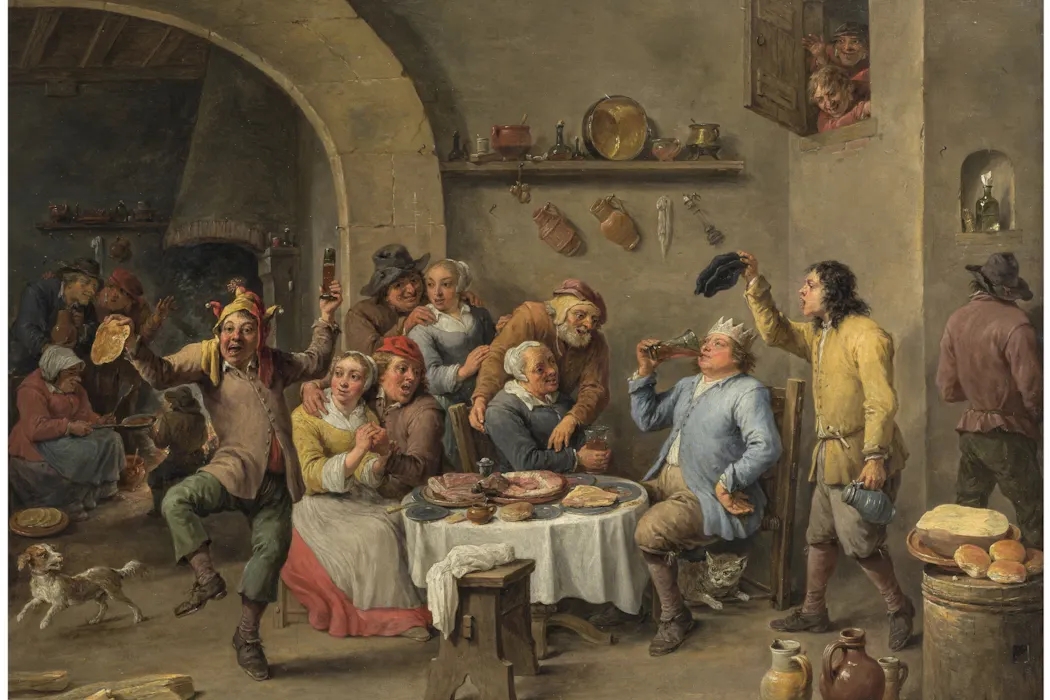
We associate New Year with deep mid-winter and the tidy date of January 1, but for 600 years between 1155 until 1752 in England and Wales the new year began on 25 March. This day was one of the quarter days that divided the year historically and on which rents and debts were settled. March 25 became the quarter day where annual accounts were finalised. So, around about now, we’d have been preparing to welcome in a new year alongside the warmer weather and spring blooms.
Celebrations were double as the legal and ecclesiastical calendar worked in harmony as March 25 is also Lady Day or the Feast of the Annunciation. Falling exactly nine months before Christmas Day, for Christians it marks when the archangel Gabriel informed Mary that she was shortly to bear a son.












