
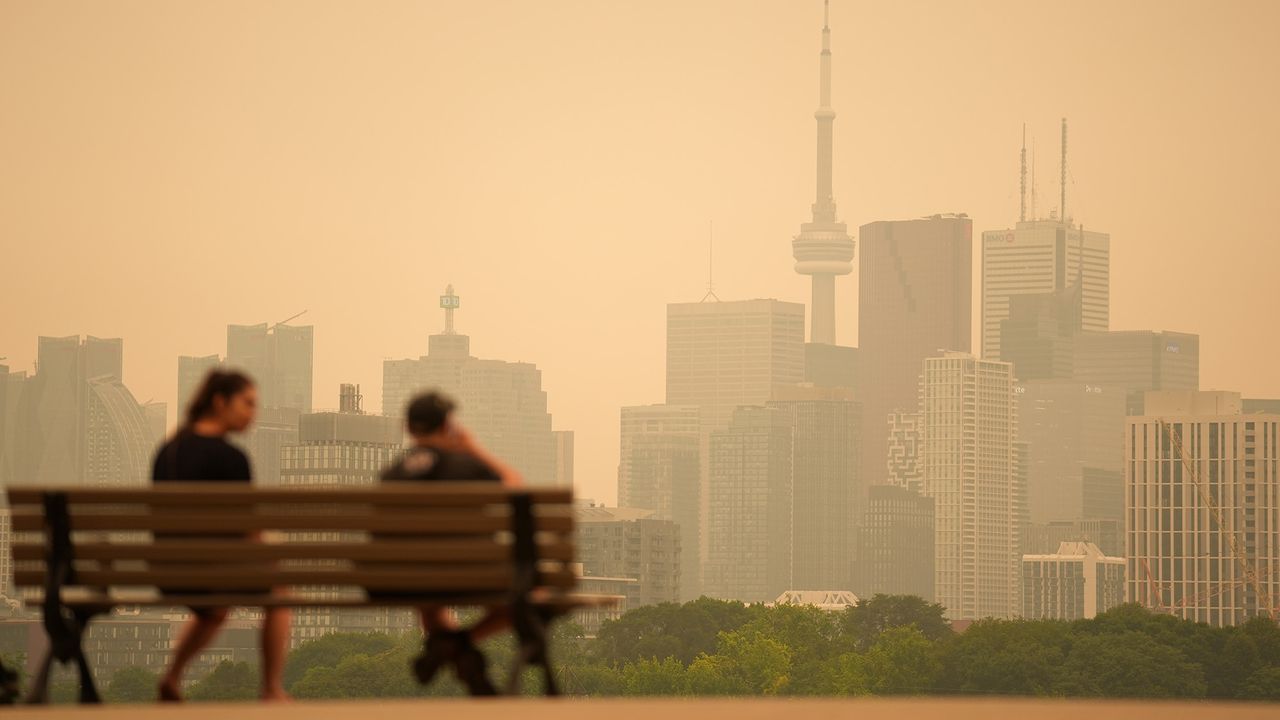
Wildfires are becoming more frequent, extreme and destructive in the United States, as well as in neighboring countries like Canada.
Major wildfires leave a trail of destruction in their wake, putting people's lives at risk and forcing them to quickly evacuate their homes and businesses. Climate change is a major factor worsening these disasters, and it's expected to continue to worsen the situation in coming years.
One major health risk posed by wildfires is the smoke they produce. Wildfire smoke can have many harmful effects on the body, including on the lungs, heart and brain. Thankfully, there are certain measures that people can take to protect themselves, experts told Live Science.
How does wildfire smoke affect the body?
Wildfire smoke contains a multitude of different chemicals that form as things burn, Sara Adar, a professor of epidemiology at the University of Michigan, told Live Science.
Among the most concerning substances are tiny particles collectively known as particulate matter 2.5 (PM2.5). These particles are less than 2.5 micrometers in size — roughly 28 times smaller than the width of a human hair — and they can become trapped in the inner linings of the nose, mouth and eyes.
In the short term, this triggers irritation and other symptoms, such as burning eyes, a runny nose or cough, which can set in immediately after exposure. People with skin conditions like eczema may also be more likely to experience flare-ups of their condition as a result of short-term exposure to PM2.5 during a wildfire.
On longer scales, these particles are small enough to be inhaled into the lungs and cause additional harm to the body, especially as they are absorbed into the bloodstream. For example, they may trigger inflammation that aggravates respiratory conditions, such as asthma or chronic obstructive pulmonary disease (COPD). This may occur right away or within a day or two of exposure to wildfire smoke, Dr. Stephanie Lovinsky-Desir, an associate professor of pediatrics in environmental health sciences at Columbia University in New York, told Live Science.
Wearing a protective mask, such as an N95 respirator, can help reduce exposure to harmful particles in wildfire smoke, experts say.
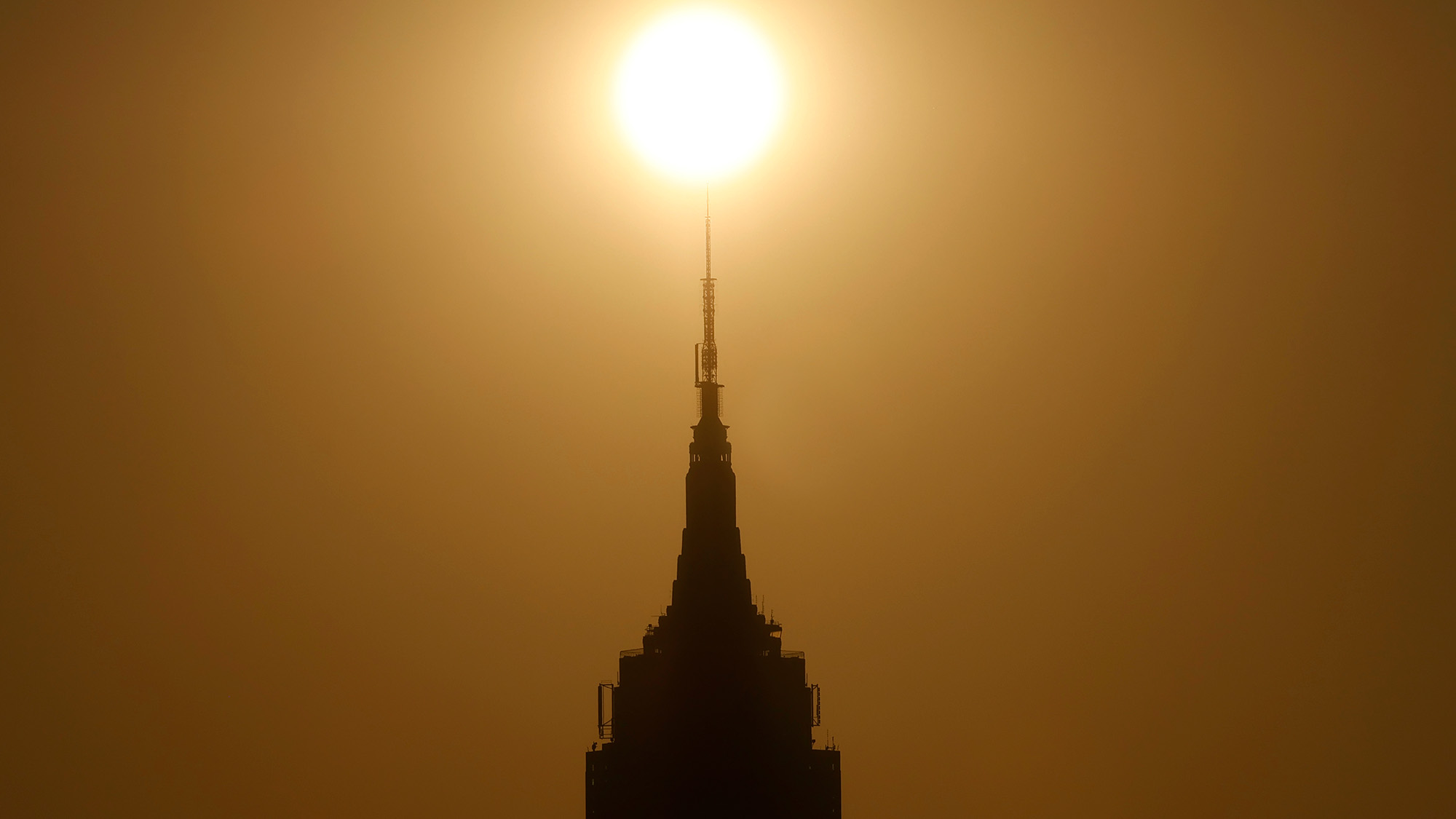
People with these respiratory conditions may find it harder to breathe because of high levels of exposure to PM2.5, and in severe cases, may need to go to the hospital, Adar said. Studies have shown that PM2.5 can also irritate the heart via the bloodstream, leading to an increased risk of emergency department visits for heart attacks and coronary heart disease within 24 hours of exposure to dense wildfire smoke.
PM2.5 may also affect various aspects of cognition, such as memory, attention and learning, potentially by inducing inflammation in the central nervous system and impeding communication between neurons. Research has shown that long-term exposure to wildfire smoke — over a period of three years — is associated with an increased risk of developing dementia.
In addition, more than two weeks of exposure to heavy smoke may make people more likely to report various mental health symptoms associated with anxiety and depression, according to a study of wildfires in Oregon. That research aligns with a growing body of evidence that suggests that exposure to particulate-matter pollution can raise the risk of mental health problems.
How can people protect themselves from wildfire smoke?
The first thing that people can do to protect themselves from wildfire smoke is to avoid exposure to it as much as possible, Lovinsky-Desir said. That means leaving the area if you're in an evacuation zone, staying indoors as much as possible with the windows closed, and if you're travelling in a car, keeping your windows up, she explained.
Running air purifiers, such as those with filters that can handle fine particles, inside the home can also be helpful, she said. If you don't have an air filter, standard air conditioning can also help, she added.
People who have underlying lung disease or care for people who do should ensure that they have the necessary medications on hand to avoid being stranded without them in an emergency, Lovinsky-Desir said.
RELATED STORIES
- Extreme wildfires, droughts and storms could happen even under moderate global warming, study finds
- Western states face above-normal wildfire threats this summer. New maps reveal which areas are most at risk.
- Wildfire-smoke-related deaths in the US could climb to 70,000 per year by 2050 due to climate change, study finds
If you wish to exercise on days when air pollution levels are high, it may be better to do so indoors, such as at a gym, Adar said. And if you must be outside for any reason, wearing a face mask can help mitigate the risk of health impacts from pollutant exposure, she added. N95 respirators can reduce PM2.5 exposure if used correctly, for example.
It's key that the face mask fits snugly against your face; the California Department of Health provides tips on how to make sure your mask fits correctly.
This article is for informational purposes only and is not meant to offer medical advice.