Get all your news in one place.
100’s of premium titles.
One app.
Start reading
Fortune
Fortune
Emma Burleigh

Kevin O'Leary blasts attacks on billionaire entrepreneurs as a 'huge mistake’—He says they don't get enough credit for the jobs they've created

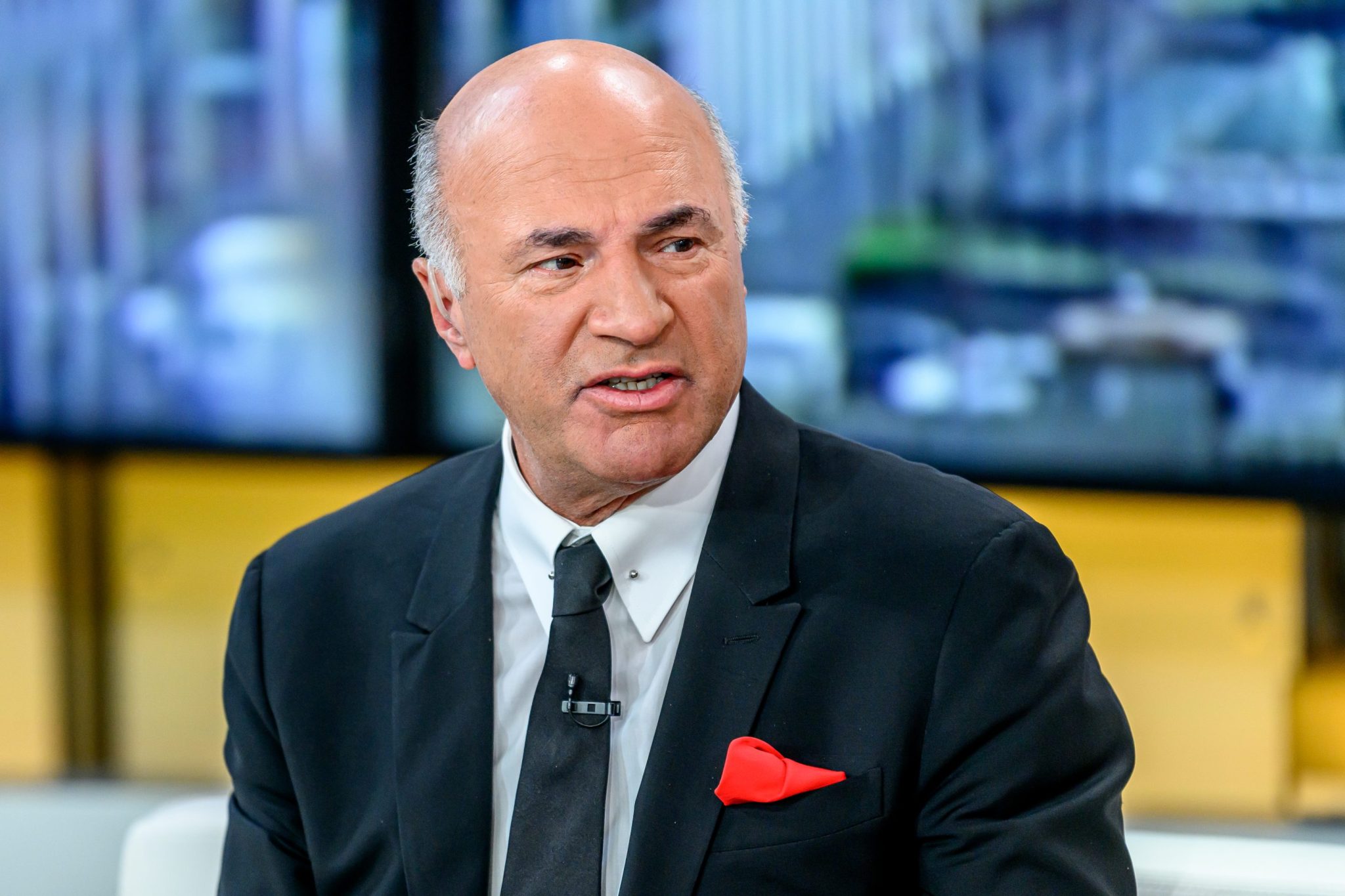
Investing icon Kevin O'Leary (Credit: Roy Rochlin / Contributor / Getty Images)

The widening wealth gap has become top of mind across all income levels—from the Occupy Wall Street movement, to petitions led by the ultra-rich demanding higher taxes on the wealthy. However, Shark Tank star and investor Kevin O’Leary does not believe that the rise in billionaire wealth should be demonized when it comes to America’s income inequality. 

“What we don’t give credit to [are] these extremely successful entrepreneurs that create hundreds of 1000’s of jobs in America…if not millions,” O’Leary said recently on NewsNation’s On Balance with Leland Vittert podcast. 

“All those people pay taxes, and they turn around and give all their wealth back,” O’Leary continued. “I just want to do a shout out for that, because it’s lost in this narrative of inequality. It really is, and it’s a huge mistake.”

Instead of focusing on the wealth divide and issues of a K-shaped economy, O’Leary emphasized the philanthropic and entrepreneurial merits of the ultra-rich. He pointed to the fact  some billionaires like Warren Buffett are donating huge swaths of their fortunes, and also referenced Michael Dell’s $6.25 billion contribution to “Trump Accounts” for kids. 

Beyond the growth they bring to the job market, the O’Leary Ventures chairman also argued the rich already pay a large amount of money in taxes. California, he said, is taking “a shot at the wealthy” with its new Billionaire Tax Act set to impose a one-time tax of 5% on the total wealth of all California residents boasting a net worth of $1 billion or more.

While billionaires may fork over larger sums in taxes, it’s a smaller pool of their empires. Those who made the Forbes list of the 400 richest Americans paid an average effective tax rate of 24% between 2018 to 2020, compared to 30% among all other U.S. taxpayers, according to a 2024 paper from the National Bureau of Economic Research.

Fortune reached out for comment, but O’Leary could not be immediately reached. 

Billionaires succeeded in their American dream—but can others?

Aside from contributing more tax money and stimulating the economy, O’Leary also reasoned that some billionaires are self-made and shouldn’t be punished for succeeding financially in their careers. 

“When you talk about these wealthy people that you suggest may be tone deaf, most of them started with nothing. They pursued the American dream. They were wildly successful,” O’Leary continued, once again noting Dell, who started his now-$79 billion tech company in his college dorm. “We need 1,000 more Michael Dells.”

O’Leary urged the U.S. should try and preserve its entrepreneurial spirit by letting founders succeed unfettered. 

“The number one export of America is not energy, it’s not technology, it’s the American dream. And that is exactly what entrepreneurship is: the idea that it isn’t the pursuit of greed and money—it’s the pursuit of personal freedom,” O’Leary said. “Only we can provide that by allowing entrepreneurs to do what they do.”

Looking at a list of the world’s richest people, there are several recognizable figures who are self-made billionaires: Mark Zuckerberg, Bill Gates, and Jeff Bezos all propelled themselves to the upper echelons after leading relatively ordinary lives. They’ve become the poster children of the American dream—but do a small handful of success stories represent the majority? 

Currently, most Americans are excluded from that vision. Achieving the typical milestones of the American dream—like having a suburban house, two kids, and a car parked in the driveway—costs a staggering $5 million, according to a 2025 analysis from financial media site Investopedia. It’s an eye-watering sum that’s $600,000 higher than last year’s estimate, and a nearly 50% increase from just two years ago. Meanwhile, the typical American bachelor-degree holder earns only $2.8 million over their career. And the U.S.’s current K-shaped economy is only exacerbating affordability crises for the poorest; higher-income Americans are witnessing their earnings and wealth rise, while lower-income people are struggling against smaller gains and the high cost of living.

The country’s $38.5 trillion national debt could be smothering the American dream, according to Kurt Couchman, a senior fellow in fiscal policy at think tank Americans for Prosperity. 

“The growing debt risks a bond market reckoning with potentially dire consequences for the American people,” Couchman said last year. “The actions of their representatives in Congress will determine whether the conditions of the American dream—peace, freedom, and prosperity—survive, or if the future is [in] decline.”

Sign up to read this article
Read news from 100’s of titles, curated specifically for you.
Already a member? Sign in here
Related Stories
Top stories on inkl right now
One subscription that gives you access to news from hundreds of sites
Already a member? Sign in here
Our Picks
Fourteen days free
Download the app
One app. One membership.
100+ trusted global sources.